
Why Pet Owners Stay Loyal to Trusted Service Providers
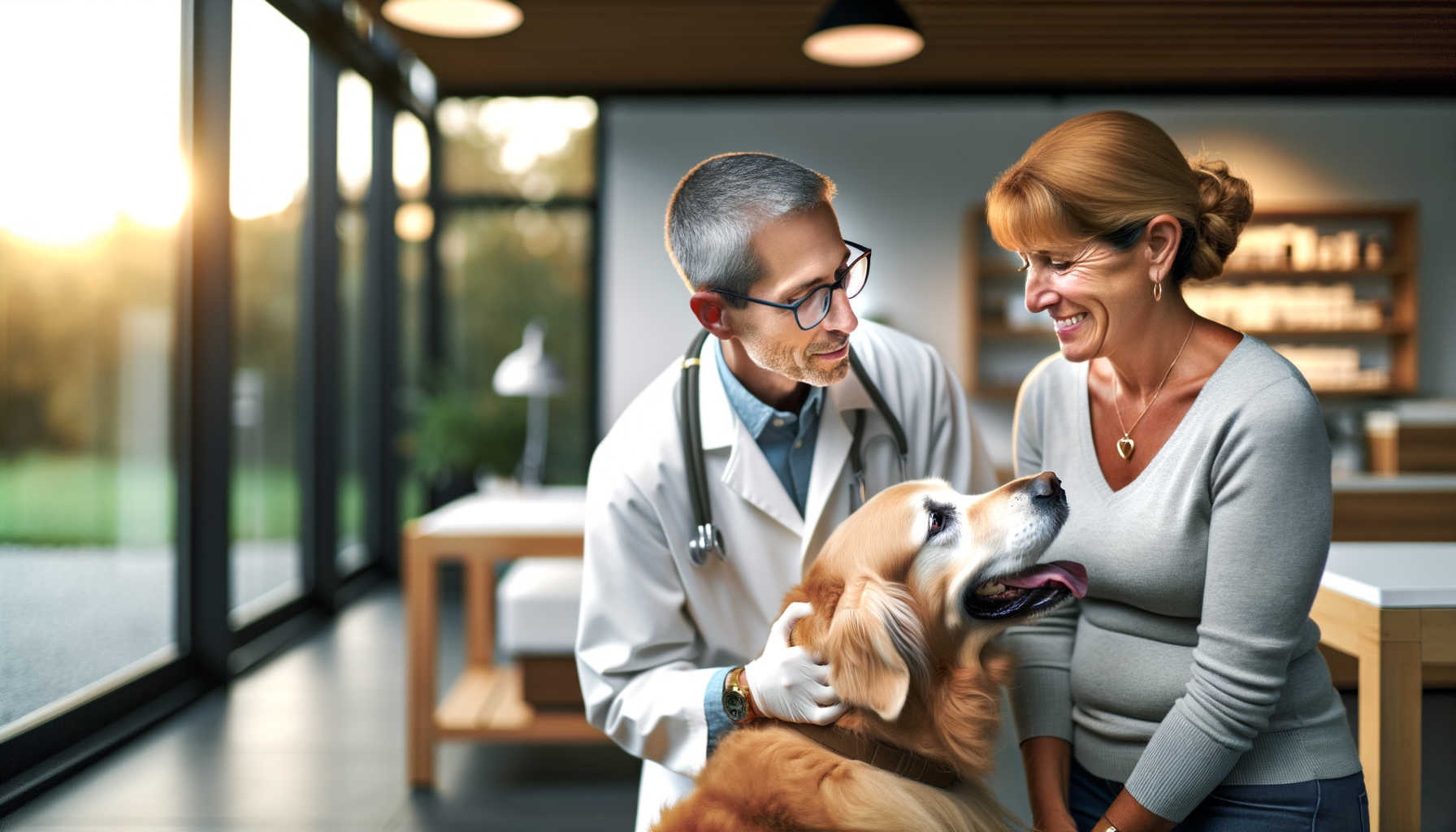
Pet owners develop intense loyalty to service providers because their pets represent family members who cannot advocate for themselves. This vulnerability creates deep emotional bonds with providers who demonstrate genuine care, competence, and understanding of both pet and owner needs.
What Makes Pet Service Relationships Different?
Unlike most service relationships, pet care involves a vulnerable family member who cannot communicate their needs or experiences directly. This fundamental dynamic changes everything about how pet owners evaluate and connect with service providers. Pet owners must rely entirely on their intuition, the provider's communication skills, and observable outcomes to determine if their beloved companion is receiving quality care. The stakes feel incredibly high because pets depend completely on their owners to make good decisions on their behalf. This responsibility creates an emotional intensity that doesn't exist in other service relationships, where the customer directly experiences the service themselves.
How Does Emotional Investment Drive Loyalty?
The emotional bond between pets and their owners directly translates into loyalty toward service providers who honor that relationship. When a veterinarian takes time to calm an anxious dog or when a groomer remembers that a cat prefers gentle handling, they're not just providing technical service—they're respecting the deep emotional connection between owner and pet. Pet owners often describe feeling like their chosen providers 'really care' about their animals, not just treat them as another appointment. This emotional validation becomes incredibly powerful. Providers who demonstrate genuine affection for their animal clients while maintaining professional competence create an emotional safety net that pet owners are reluctant to abandon, even when faced with minor inconveniences or slightly higher costs.
What Trust Factors Matter Most to Pet Owners?
Pet owners evaluate trust through multiple lenses because they're advocating for a family member who cannot speak for themselves:
- Competence under pressure - how providers handle emergencies, difficult diagnoses, or behavioral challenges
- Communication clarity - explaining procedures, costs, and treatment options in understandable terms
- Gentle handling - demonstrating patience and skill when pets are stressed, scared, or uncooperative
- Emotional intelligence - reading both pet and owner anxiety levels and responding appropriately
- Transparency about limitations - honestly discussing when referrals or second opinions might be beneficial
- Consistency across visits - maintaining the same level of care regardless of which staff member is involved
Why Do Pet Owners Fear Switching Providers?
The thought of switching pet service providers triggers deep anxiety for many pet owners because it means starting over with someone who doesn't know their animal's unique personality, medical history, or behavioral quirks. Pets often display different behaviors with unfamiliar people, making it difficult for new providers to get accurate assessments during initial visits. Pet owners worry that crucial details might be overlooked or that their pet's specific needs won't be understood. There's also fear about disrupting established routines that help their pets feel comfortable during potentially stressful situations like vet visits or grooming appointments. This switching anxiety is particularly intense because pet owners can't explain the change to their animals or receive direct feedback about whether the new provider is meeting their needs.
How Do Convenience Factors Reinforce Loyalty?
Once pet owners find providers they trust, convenience factors become powerful loyalty reinforcements rather than primary decision drivers. Established relationships with trusted providers often include scheduling flexibility, such as accommodating emergency appointments or working around the pet owner's schedule. Many loyal pet owners appreciate that their regular providers know their communication preferences, payment methods, and even their pet's behavioral patterns during visits. The administrative burden of switching—transferring medical records, establishing new accounts, and explaining their pet's complete history—feels overwhelming when weighed against minor inconveniences with current providers. Additionally, pets often develop comfort with familiar environments and staff, making visits less stressful for everyone involved when maintaining long-term relationships.
What Creates Unbreakable Loyalty Bonds?
Certain experiences cement pet owner loyalty so strongly that switching becomes nearly unthinkable:
- Emergency care excellence - providers who respond quickly and competently during pet health crises
- End-of-life compassion - handling euthanasia decisions and procedures with exceptional sensitivity
- Going beyond expectations - making house calls, following up after procedures, or accommodating special needs
- Problem-solving persistence - not giving up when initial treatments don't work as expected
- Family integration - treating the pet as a valued family member rather than just another patient
What Role Does Community Play in Pet Service Loyalty?
Pet owner communities create powerful loyalty networks that extend far beyond individual relationships with service providers. When pet owners gather at dog parks, training classes, or online forums, they naturally share experiences about veterinarians, groomers, and other service providers. These community recommendations carry enormous weight because they come from people who understand the emotional investment involved in pet care decisions. Positive community reputation becomes a protective factor for service providers, as satisfied customers actively defend their chosen providers against criticism and enthusiastically recommend them to newcomers. This community reinforcement makes pet owners feel confident about their provider choices and creates social validation for their loyalty. The flip side is equally powerful—negative experiences shared within pet owner communities can significantly damage a provider's reputation and influence switching decisions.
How Do Negative Experiences Affect Switching Decisions?
Pet owners typically tolerate minor service issues that might cause immediate switching in other industries, but certain negative experiences can instantly destroy years of loyalty. Perceived indifference to their pet's distress, communication failures during medical emergencies, or feeling dismissed when raising concerns about their pet's wellbeing can trigger immediate provider changes. However, many pet owners will give trusted providers second chances for mistakes that seem genuinely accidental or out of character, especially if the provider takes responsibility and makes efforts to prevent similar issues. The key differentiator is whether pet owners believe the negative experience reflects the provider's true attitude toward animal care or was an isolated incident. Trust, once broken in pet care relationships, is extremely difficult to rebuild because pet owners feel they cannot risk their animal's wellbeing on uncertain rehabilitation of the professional relationship.
What Can Other Industries Learn From Pet Service Loyalty?
The intense loyalty patterns in pet services offer valuable insights for other industries, particularly those involving vulnerable clients or high emotional stakes. The pet service model demonstrates how emotional connection, consistent quality, and genuine care create loyalty that transcends price competition and minor inconveniences. Service providers in other industries can learn from how pet professionals build trust through transparent communication, personalized attention, and going beyond minimum service expectations during critical moments. The pet industry shows that when customers feel their deepest concerns are understood and prioritized, they become not just loyal clients but active advocates who drive referral-based growth. This emotional loyalty model is particularly relevant for healthcare, eldercare, childcare, and other services where vulnerability and trust are central to the relationship.
Frequently Asked Questions
How often do pet owners switch veterinarians?
Most pet owners change veterinarians only 2-3 times during their pet's lifetime, typically due to relocation rather than dissatisfaction. This loyalty rate is significantly higher than most other service industries.
What makes pet owners most likely to switch providers?
Poor communication during emergencies, perceived indifference to pet distress, or feeling dismissed when raising concerns trigger most switching decisions. Price alone rarely motivates changes in established relationships.
Do pet owners prioritize convenience or quality?
Quality and trust always rank higher than convenience for pet owners, but convenient factors like flexible scheduling become important loyalty reinforcements once trust is established with a provider.
How important are online reviews for pet service selection?
Pet owners trust personal recommendations from other pet owners 3x more than general online reviews, though reviews help validate choices made through trusted network referrals.
What creates the strongest loyalty bonds with pet service providers?
Exceptional care during emergencies, compassionate end-of-life support, and consistently treating pets as valued family members create the strongest emotional loyalty bonds that resist competitive pressures.
How do pet owner communities influence provider selection?
Pet owner communities at dog parks, training classes, and online forums create powerful recommendation networks where shared experiences carry enormous weight in provider selection and loyalty reinforcement.
Find Trusted Pet Care Providers
Finding pet service providers you can trust shouldn't require endless searching and risky trial-and-error. Tools like Linked By Six automatically show you which veterinarians, groomers, and pet services your trusted connections already use and recommend, helping you make confident decisions for your beloved companion's care.
Pet owner loyalty runs deeper than typical service relationships because it's built on emotional bonds, vulnerability, and the fundamental responsibility of caring for a family member who cannot advocate for themselves. Understanding these psychological drivers reveals why pet owners develop such intense loyalty to providers who demonstrate genuine care, competence, and respect for the human-animal bond. The convenience factors and community reinforcement that sustain these relationships create a loyalty model that other service industries can learn from. For pet owners, finding providers who honor the depth of their connection with their animals isn't just about service quality—it's about finding partners who understand that pets are family, and their care decisions reflect love, responsibility, and trust.