
Why Local Experience Matters for Home Repair Success
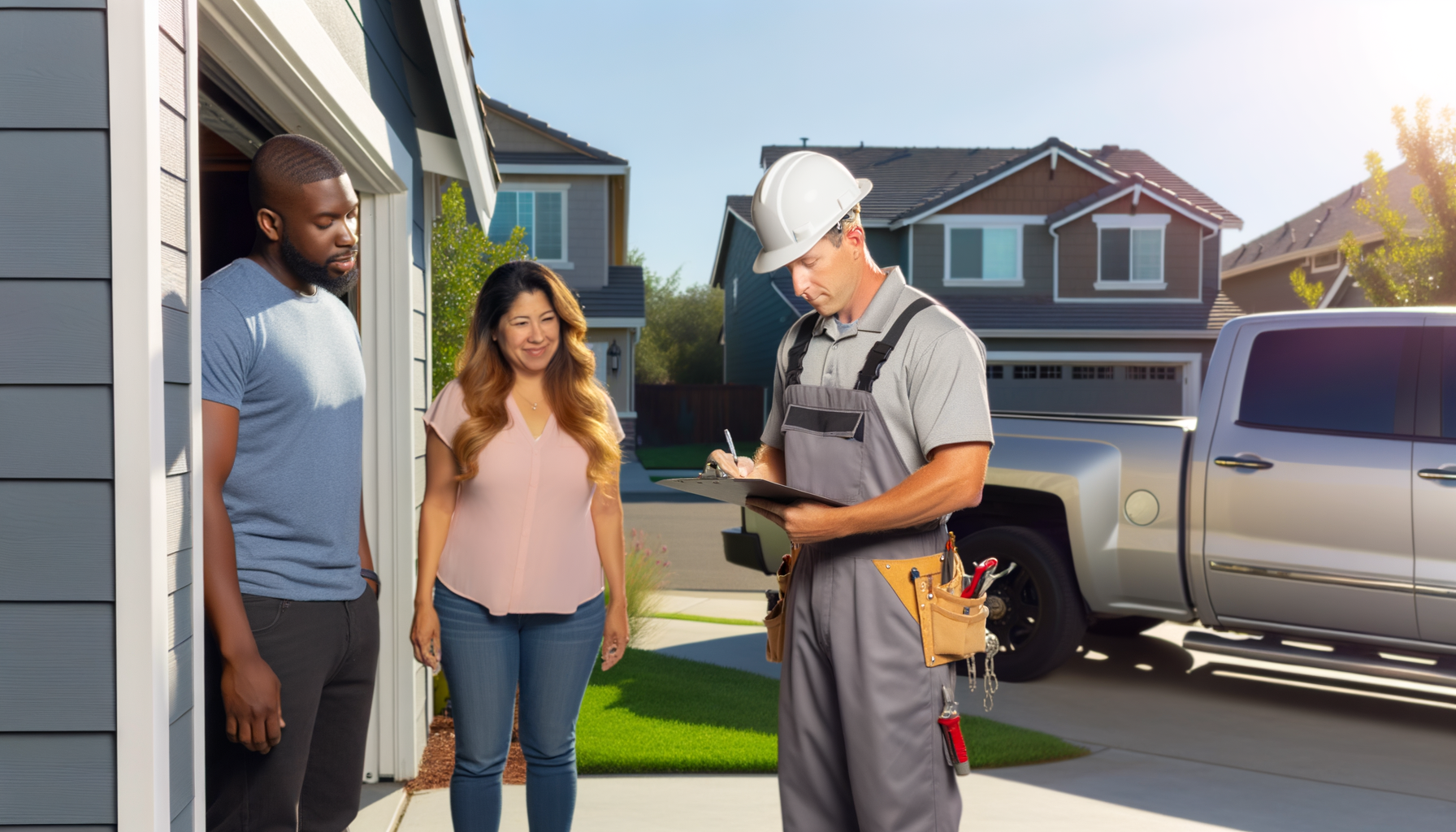
Local contractors understand regional building codes, climate challenges, and supplier networks, leading to faster permits, appropriate materials, and repairs that last. Their community reputation depends on quality work, creating built-in accountability that distant contractors lack.
What makes local contractors different from national chains?
Local contractors operate with intimate knowledge of your area's unique challenges and opportunities. They understand which materials work best in your climate, know the quickest routes through local permitting processes, and have established relationships with regional suppliers. This deep community integration translates into tangible benefits for homeowners. Local contractors often complete projects faster because they don't need to research unfamiliar building codes or hunt for approved suppliers. They stock materials suited to local weather patterns and soil conditions, reducing the risk of premature failure. Most importantly, their reputation lives in your neighborhood—they can't simply move on to the next market if they deliver poor work.
How does climate knowledge impact repair quality?
Local contractors have witnessed how your region's weather patterns affect different materials and construction methods over multiple seasons and years:
- Foundation expertise: Understanding local soil composition, freeze-thaw cycles, and drainage patterns that affect foundation stability
- Roofing materials: Knowing which shingles, underlayments, and ventilation systems perform best against local weather extremes
- Siding solutions: Experience with materials that resist regional challenges like humidity, salt air, high winds, or UV exposure
- Seasonal timing: Understanding optimal windows for different repairs based on local weather patterns and material availability
- Preventive measures: Knowledge of common regional problems that can be addressed during initial repairs to prevent future issues
Why do local permits and codes matter for your project?
Every municipality has specific building codes, permit requirements, and inspection processes that can make or break your project timeline. Local contractors navigate these systems daily, while contractors from other areas often struggle with unfamiliar bureaucracy. This familiarity extends beyond paperwork—local contractors understand the preferences and expectations of specific inspectors, know which details commonly trigger delays, and can anticipate potential issues before they arise. They maintain relationships with permit offices, can expedite approvals when possible, and know exactly what documentation and specifications inspectors expect. This expertise prevents costly delays, failed inspections, and the need to redo work that doesn't meet local standards.
What steps ensure you find the right local contractor?
Finding contractors with genuine local experience requires strategic evaluation:
- Verify local licensing and insurance coverage specific to your area's requirements and liability standards
- Request examples of recent projects in your immediate area, including photos and specific addresses for drive-by verification
- Ask about their relationships with local suppliers and how they handle material sourcing and delivery logistics
- Inquire about their experience with your municipality's permit process and recent changes to local building codes
- Discuss their knowledge of common regional issues like soil conditions, weather patterns, or neighborhood-specific challenges
- Request references from recent customers within a 10-mile radius who can speak to their local expertise
How does supplier network access affect your project?
Local contractors have established relationships with regional suppliers, lumber yards, and specialty vendors that can significantly impact your project's success. These relationships often translate into better pricing, priority access to materials during shortages, and the ability to source specialty items quickly. Local suppliers also understand regional preferences and stock materials that perform well in local conditions. When problems arise, local contractors can quickly source replacement materials or make adjustments without waiting for distant suppliers to ship items. They also understand which suppliers offer the best warranties and customer service for ongoing support. These supplier relationships become especially valuable during peak construction seasons when materials are scarce or when unusual weather conditions require specific products.
What role does community reputation play in contractor selection?
Local contractors stake their business reputation on community relationships and word-of-mouth referrals:
- Accountability: Their success depends on maintaining positive relationships with neighbors who see their work daily
- Ongoing support: They remain available for warranty issues, follow-up questions, and future projects
- Quality standards: Poor work becomes visible throughout the community, creating strong incentives for excellence
- Professional networks: Established relationships with local inspectors, architects, and other trades ensure smooth project coordination
- Community investment: Local contractors often sponsor community events, support local causes, and maintain long-term neighborhood presence
What should you evaluate when meeting potential contractors?
Use this checklist to assess local contractor expertise during initial consultations:
- Can they name specific local building code requirements relevant to your project?
- Do they mention local suppliers by name and describe their relationships with them?
- Can they identify common problems in homes of your age and style in your area?
- Do they discuss local weather considerations and how they affect material choices?
- Can they estimate realistic permit timelines based on current municipal workloads?
- Do they reference other projects in nearby neighborhoods with similar challenges?
- Can they explain how local soil conditions or environmental factors affect your specific repair needs?
After hiring three different contractors over the years, I learned that local experience isn't just helpful—it's essential. My current contractor knew our neighborhood's drainage issues, had materials in stock that work with our climate, and got permits approved in half the time the last guy quoted.
Jennifer Walsh, Homeowner
How do local contractors handle emergency repairs differently?
When disaster strikes, local contractors offer advantages that distant providers simply cannot match. They understand which types of damage are most common in your area and keep appropriate materials and equipment readily available. Local contractors can respond quickly because they're not traveling from distant locations, and they understand which repairs need immediate attention versus what can wait. They have established relationships with emergency suppliers and know which local businesses can provide after-hours materials if needed. Most importantly, they understand local insurance practices and can provide documentation and estimates in formats that regional insurance adjusters expect, potentially speeding up your claims process and getting repairs completed faster.
Frequently Asked Questions
How can I verify a contractor's local experience?
Ask for specific examples of recent work in your immediate area, request local references, and verify their knowledge of current municipal building codes and permit processes specific to your location.
Why do local contractors often cost more than distant ones?
Local contractors may charge premium pricing because they invest in community relationships, maintain local inventory, carry appropriate regional insurance, and provide ongoing support that distant contractors cannot match.
What if there are limited local contractors in my area?
Look for contractors who work regularly in your region, even if not exclusively. Regional specialists often have similar advantages to purely local contractors while offering broader expertise and availability.
How important is it that my contractor lives in my immediate neighborhood?
While helpful, proximity matters less than regional experience. A contractor who works regularly within 20-30 miles likely understands local conditions, codes, and suppliers better than distant contractors.
Do local contractors provide better warranties than national chains?
Local contractors often provide more accessible warranty service because they remain in the community, but warranty terms vary. Focus on the contractor's local reputation and availability for future support needs.
Should I choose local contractors for small repairs too?
Yes, local contractors understand which small problems commonly lead to bigger issues in your area and can address underlying causes rather than just symptoms, potentially saving money long-term.
Find Local Contractors Your Neighbors Trust
Stop researching contractors blindly. Tools like Linked By Six automatically show you which local contractors your friends and neighbors have used and trusted—see real connections before you hire.
Local experience isn't just a nice-to-have feature—it's a fundamental advantage that affects every aspect of your home repair project. From understanding regional building codes to maintaining supplier relationships and providing ongoing community accountability, local contractors bring irreplaceable value to your project. The key is finding contractors who don't just work in your area occasionally, but who have built their reputation and expertise through deep community involvement. When you choose contractors with genuine local experience, you're not just hiring technical skills—you're accessing a network of relationships, knowledge, and accountability that makes the difference between a repair that works and one that lasts.