
How Local Connections Simplify Home Repair Decisions
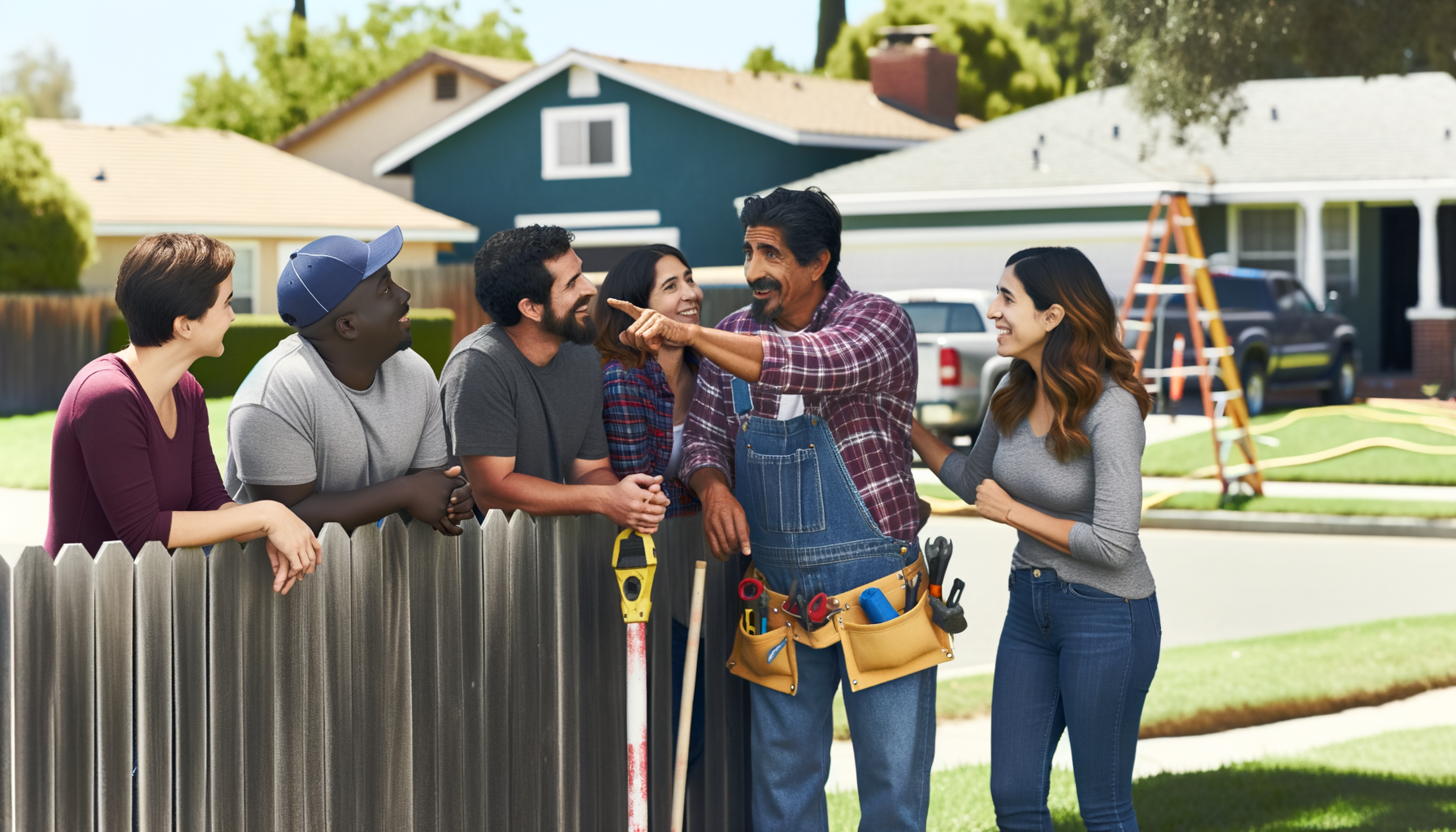
Local connections simplify home repair decisions by providing verified experiences, contextual recommendations, and built-in accountability. Neighbors face similar issues and can recommend contractors who understand local codes, weather challenges, and community standards, reducing research time and decision anxiety.
Why Do Local Networks Hold the Best Home Repair Insights?
Your local community possesses a wealth of home repair knowledge that no online review platform can match. Neighbors deal with identical challenges—the same harsh winters, flooding risks, soil conditions, and building codes that affect your home. When someone three streets over recommends their roofer, they're sharing experience with contractors who understand your specific environment. Local networks create a natural vetting system where service providers build reputations through consistent quality work. Poor performers get filtered out quickly through community awareness, while exceptional contractors earn trust across multiple households. This organic quality control system means local recommendations carry more weight than anonymous reviews from strangers in different climates and housing markets.
What Specific Advantages Do Community Connections Provide?
Local connections offer unique benefits that transform how you approach home repairs:
- Geographic expertise: Local contractors understand regional building codes, permit requirements, and weather-related challenges specific to your area
- Shared accountability: Service providers know their reputation travels through tight-knit communities, incentivizing quality work and fair pricing
- Similar home characteristics: Neighbors often have comparable house ages, architectural styles, and maintenance needs, making their experiences highly relevant
- Ongoing relationships: Local contractors often provide follow-up service and warranty support because they're invested in community relationships
- Real-time feedback: You can easily verify contractor performance by observing completed work in your neighborhood firsthand
How Does Local Knowledge Reduce Decision Complexity?
Home repair decisions become overwhelming when you're researching contractors from scratch. Local connections cut through this complexity by providing pre-qualified options based on real performance data. Instead of sifting through hundreds of online listings, you receive targeted recommendations from people who've already navigated similar projects. Local networks also provide context that generic reviews lack—understanding which contractors excel at older home renovations versus new construction, who handles emergency repairs reliably, and which companies offer fair pricing for your area's market conditions. This contextual knowledge accelerates decision-making because you're working with curated information rather than starting from zero. The result is faster contractor selection with higher confidence levels.
What Makes Community Accountability So Powerful?
Community accountability creates natural quality control that benefits everyone. Contractors working in local markets know their reputation directly impacts future business opportunities. A single poor experience can ripple through neighborhood networks, affecting multiple potential customers. This dynamic encourages consistent quality, fair pricing, and responsive customer service. Local contractors also tend to stand behind their work longer because they'll likely encounter customers again at community events, local businesses, or through mutual connections. This ongoing relationship potential creates incentives for excellence that extend beyond single transactions. The accountability factor works both ways—homeowners also maintain good relationships with quality contractors, creating mutual respect and priority service arrangements.
How Can You Evaluate Local Contractor Recommendations Effectively?
Transform community recommendations into confident hiring decisions with this systematic approach:
- Document specific project details from recommenders—what work was completed, timeline, budget range, and any challenges encountered
- Visit completed projects when possible to assess quality firsthand and observe how work has held up over time
- Verify licensing and insurance independently, even for highly recommended contractors—community trust doesn't replace legal protections
- Request recent references beyond your immediate network to confirm consistent performance across different customer relationships
- Compare multiple local recommendations for similar projects to identify patterns in pricing, approach, and timeline estimates
- Discuss your specific project requirements to ensure recommended contractors have relevant experience with your type of repair
How Do Local Networks Handle Contractor Problems?
Local networks provide natural problem resolution mechanisms that benefit the entire community. When issues arise with local contractors, community connections often facilitate faster resolution because reputation damage spreads quickly through neighborhood channels. Many contractors prioritize fixing local customer problems to prevent negative word-of-mouth from affecting future business. Community networks also share information about contractor responsiveness to warranty issues, helping you choose service providers who stand behind their work long-term. The collective knowledge about which contractors handle problems professionally versus those who become difficult to reach creates valuable selection criteria. This community-based accountability system often prevents problems through better contractor selection rather than just addressing issues after they occur.
What Role Does Neighborhood Expertise Play in Project Success?
Neighborhood expertise significantly impacts project outcomes because local contractors understand environmental factors that affect repair decisions. They know which roofing materials perform best in your climate, how local soil conditions affect foundation work, and which HVAC solutions work efficiently in your area's weather patterns. This knowledge prevents costly mistakes and ensures repairs address root causes rather than just symptoms. Local contractors also understand municipal inspection processes, permit requirements, and building code interpretations specific to your jurisdiction. They've built relationships with local inspectors and suppliers, often resulting in smoother project execution and better material access. This neighborhood expertise translates into more accurate project estimates, realistic timelines, and solutions designed for your specific geographic challenges.
Essential Questions to Ask When Receiving Local Recommendations
Use this checklist to gather comprehensive information from community sources:
- What specific type of repair work did the contractor complete for you?
- How did the final cost compare to the initial estimate?
- Were there any unexpected issues, and how did the contractor handle them?
- How was the contractor's communication throughout the project?
- Did the contractor complete work on schedule as promised?
- How did the contractor handle cleanup and site restoration?
- Would you hire this contractor again for future projects?
- Are you aware of other neighborhood projects this contractor has completed?
How Do Local Connections Create Long-term Value?
Local connections create lasting value beyond single repair projects by establishing ongoing relationships with trusted service providers. Quality contractors who work regularly in your community become familiar with local homes and can provide faster diagnosis and more accurate estimates for future needs. These relationships often result in priority scheduling during busy periods and competitive pricing for repeat customers. Local contractors also tend to remember previous work when called for additional projects, ensuring compatibility and consistency across multiple repairs. The long-term value extends to emergency situations where established local relationships can mean faster response times and temporary solutions while permanent repairs are scheduled. Building these community-based contractor relationships creates a reliable support network for ongoing home maintenance and unexpected repair needs.
Frequently Asked Questions
How do I verify local contractor recommendations are legitimate?
Always check licensing, insurance, and Better Business Bureau ratings independently. Visit completed projects in your neighborhood when possible and request recent references beyond your immediate network to confirm consistent quality and professionalism.
What if multiple neighbors recommend different contractors for similar work?
Multiple quality recommendations indicate a healthy competitive market. Request quotes from several recommended contractors, compare their approaches and pricing, then choose based on your specific project needs and communication preferences.
Should I only hire contractors recommended by immediate neighbors?
Expand beyond immediate neighbors to include local community groups, nearby streets, and similar housing areas. Broader local networks provide more comprehensive contractor performance data while maintaining geographic relevance.
How can I contribute back to local contractor recommendation networks?
Share detailed experiences with quality contractors, including project specifics, pricing fairness, and professionalism levels. Honest feedback helps neighbors make informed decisions and supports excellent contractors through community referrals.
What red flags should I watch for even with local recommendations?
Be cautious of contractors who demand full payment upfront, lack proper licensing or insurance, or pressure you to sign immediately. Local recommendations don't eliminate the need for standard contractor vetting procedures.
How do local contractors typically price work compared to non-local options?
Local contractors often offer competitive pricing for community members because repeat business and referrals are valuable. However, always compare multiple quotes and ensure pricing includes proper materials and labor for quality results.
Find Trusted Local Contractors Through Your Network
Stop scrolling through endless online reviews and wondering which contractors you can trust. Tools like Linked By Six automatically show you which local home repair professionals your friends, neighbors, and colleagues have actually used and recommend—giving you verified connections before you start searching.
Local connections transform home repair decisions from overwhelming research projects into confident choices backed by community experience. Your neighbors face identical challenges and environmental factors, making their contractor recommendations highly relevant to your specific needs. The accountability that comes with community relationships creates natural quality control, while local expertise ensures repairs address your area's unique requirements. By leveraging neighborhood networks effectively, you gain access to pre-vetted contractors who understand local conditions and maintain reputations through consistent quality work. This community-based approach reduces decision complexity, improves project outcomes, and builds lasting relationships with trusted service providers who become valuable resources for ongoing home maintenance needs.