
Why Smart Homeowners Choose Long-Term Service Partners
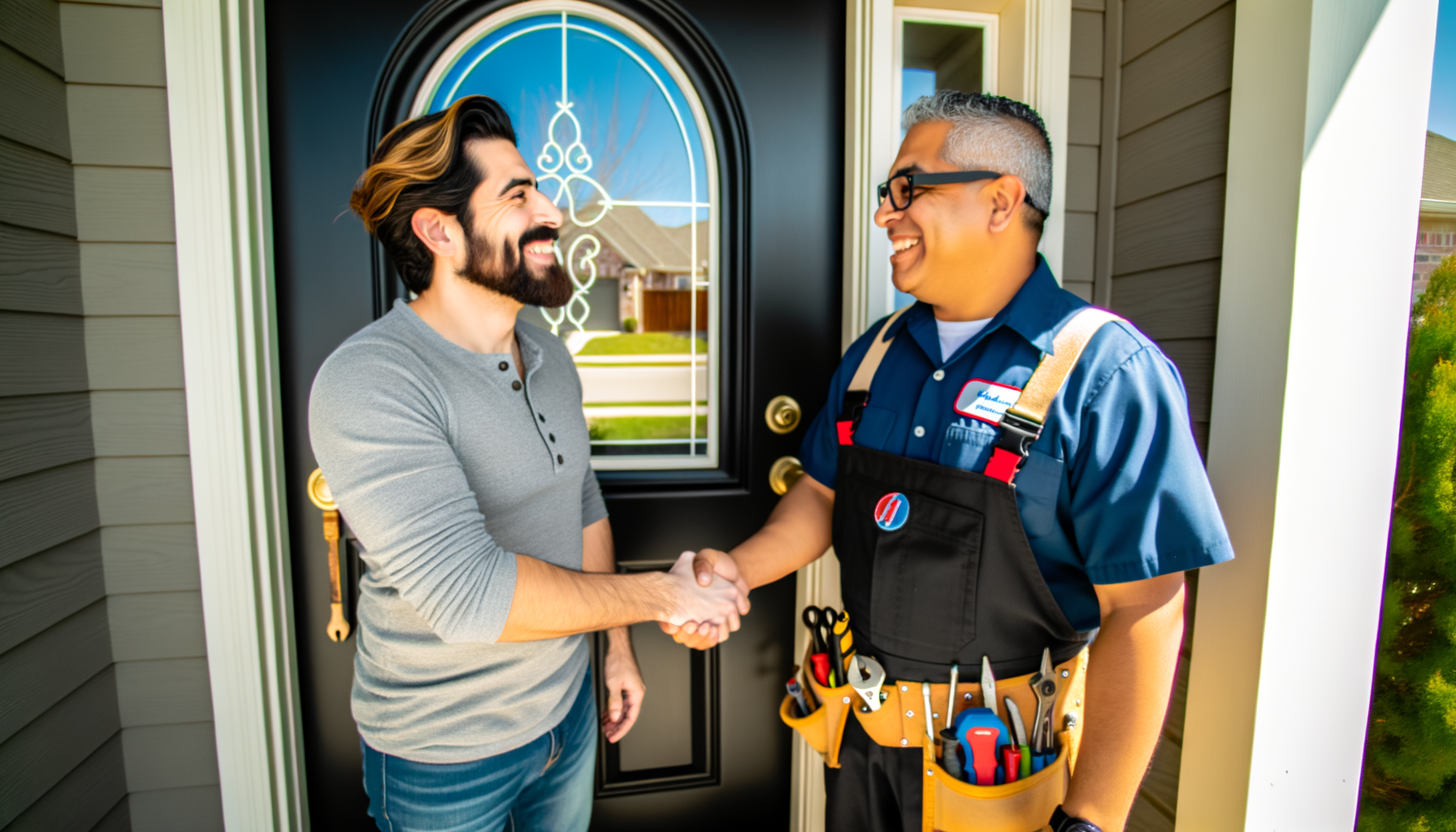
Homeowners value service provider continuity because it builds trust, reduces costs through relationship pricing, ensures consistent quality, and eliminates the stress of repeatedly vetting new contractors for each project or maintenance need.
What Makes Service Provider Continuity So Valuable?
Service provider continuity represents more than convenience—it's a strategic approach to home ownership that pays dividends over time. When homeowners work with the same trusted professionals repeatedly, they create a network of accountability that protects their investment. These established relationships mean your electrician knows your home's quirks, your plumber understands your system's history, and your contractor has firsthand knowledge of previous work quality. This institutional knowledge becomes invaluable when addressing new issues or planning improvements. The familiarity breeds efficiency, as providers don't need to rediscover your home's unique characteristics with each visit. Most importantly, continuity transforms transactional encounters into relationship-based partnerships where both parties have skin in the game for long-term success.
How Does Continuity Impact Your Home's Value?
Long-term service relationships directly contribute to maintaining and increasing property values through several mechanisms:
- Consistent maintenance standards that prevent small issues from becoming major problems
- Detailed service histories that demonstrate proper care to potential buyers or inspectors
- Quality workmanship that stands the test of time, reducing likelihood of costly repairs
- Coordinated improvements that complement existing systems rather than creating conflicts
- Professional documentation that supports warranty claims and insurance processes
Why Do Long-Term Relationships Reduce Costs?
The economics of service provider continuity favor homeowners in multiple ways. Established providers often offer relationship pricing that reflects the value of guaranteed repeat business. They invest less time in customer acquisition costs and can pass those savings along. Diagnostic time decreases significantly when technicians know your home's history, systems, and previous interventions. This efficiency translates to lower labor costs and faster problem resolution. Long-term partners also have incentives to recommend preventive measures that extend equipment life rather than pushing expensive replacements. They understand that their reputation with you matters more than maximizing revenue from a single visit. Additionally, trusted providers often prioritize loyal customers for scheduling, meaning you get faster service during peak demand periods when emergency rates typically apply.
What Are the Trust Benefits of Ongoing Relationships?
Trust accumulates over time through consistent positive interactions, creating several advantages:
- Reduced need for multiple quotes on routine work since you know their pricing is fair
- Confidence in work quality based on track record rather than hoping for the best
- Honest assessments about repair versus replacement decisions without sales pressure
- Reliable emergency response when urgent issues arise outside normal business hours
- Straightforward communication about timelines, costs, and potential complications
- Accountability for work quality since they know they'll handle future service calls
How Does Familiarity Improve Service Quality?
Service quality improves dramatically when providers develop deep familiarity with your property. Your trusted electrician remembers the quirky wiring in the basement and plans accordingly. The plumber knows your water pressure patterns and pipe layout, enabling faster diagnosis. Your HVAC technician understands your system's maintenance history and can spot deviations from normal performance immediately. This institutional knowledge prevents the trial-and-error approach that new providers often employ. Familiar providers also develop preferences for specific brands and parts that work best in your home's environment. They stock commonly needed items for your property type, reducing delays. Most importantly, they take pride in maintaining 'their' installations, viewing subpar work as a reflection on their professional reputation with a valued client.
What Role Does Accountability Play in Service Relationships?
Accountability transforms the service dynamic from one-time transactions to ongoing partnerships. When providers know they'll be called back for future work, they have strong incentives to exceed expectations rather than cut corners. Poor work quality doesn't just lose one job—it jeopardizes an entire relationship stream. This accountability extends beyond individual technicians to entire companies, as businesses recognize that loyal customers provide stable revenue and positive referrals. Established providers often warranty their work more generously because they're confident in their quality and know they'll be available to address any issues. They also have reputational stakes in your satisfaction, understanding that unhappy long-term customers can significantly damage their local standing through network effects.
How Can You Build Strong Service Provider Relationships?
Follow these steps to cultivate lasting partnerships with your service providers:
- Pay promptly and communicate clearly about expectations and concerns
- Provide easy access and prepare the work area before scheduled visits
- Give feedback on service quality and suggest improvements constructively
- Schedule routine maintenance rather than waiting for emergency situations
- Refer trusted providers to neighbors and friends when they need similar services
- Document service history and share relevant details for complex problems
- Respect their expertise while staying engaged in decisions about your property
Why Does Consistency Matter for Complex Home Systems?
Modern homes integrate complex systems where changes in one area affect others. Your HVAC, electrical, and plumbing systems interconnect in ways that aren't always obvious to providers unfamiliar with your specific installation. Consistent service providers understand these relationships and consider system-wide impacts when making recommendations. They know which previous modifications might affect new work and can avoid conflicts between different trades. This holistic understanding prevents the finger-pointing that occurs when multiple providers blame each other for system failures. Consistent providers also maintain informal warranties on their previous work, taking responsibility for ensuring new interventions don't compromise existing systems. This systems thinking is only possible when providers have longitudinal knowledge of your home's evolution.
The best service relationships feel like partnerships. My electrician doesn't just fix problems—he helps me plan improvements that make sense for my home's long-term needs.
Jennifer K., homeowner of 15 years
How Do Established Relationships Handle Disputes?
Dispute resolution improves significantly within established service relationships. Both parties have invested time and effort in building the partnership, creating strong incentives to resolve conflicts fairly. Trusted providers understand that their long-term reputation matters more than winning individual disagreements. They're more likely to offer reasonable compromises or remedies because they value the ongoing relationship. Homeowners also approach disputes differently with trusted providers, assuming good faith rather than immediately suspecting fraud or incompetence. This foundation of trust enables honest communication about what went wrong and how to fix it. Established providers often go above and beyond to resolve disputes because they recognize the lifetime value of customer relationships extends far beyond single project margins.
Frequently Asked Questions
How long should I work with a service provider before considering them 'trusted'?
Generally 2-3 successful interactions over 6-12 months establishes trust patterns. Look for consistent quality, fair pricing, reliability, and honest communication rather than focusing solely on time duration.
Should I get quotes from multiple providers even with trusted relationships?
For major projects over $5,000, getting comparison quotes is wise. For routine maintenance and smaller repairs, trusted provider pricing typically offers better value when factoring in relationship benefits and quality assurance.
What if my trusted service provider's quality starts declining?
Address concerns directly first—business changes can affect service temporarily. If problems persist after clear communication, begin transitioning to new providers while maintaining professional relationships with existing ones when possible.
How do I find service providers worth building long-term relationships with?
Start with providers your trusted network already uses successfully. Their proven track record with people you know reduces the trial-and-error period and increases the likelihood of positive long-term partnerships.
Do service providers actually offer better pricing for repeat customers?
Many providers offer relationship pricing through reduced diagnostic fees, priority scheduling, bulk service discounts, and more generous warranties. The savings often exceed 10-20% compared to one-time service calls.
What should I do if my trusted provider retires or closes their business?
Ask for referrals to providers they recommend and trust. Often retiring professionals refer clients to colleagues who share similar values and work standards, helping maintain service continuity.
Find Your Trusted Service Network
Building lasting relationships starts with finding providers your network already trusts. Tools like Linked By Six show you which local service professionals your friends and colleagues rely on, giving you a head start on relationships that can serve your home for years to come.
Service provider continuity represents one of the smartest investments homeowners can make. The compound benefits of trust, familiarity, accountability, and relationship pricing create value that extends far beyond individual service calls. By viewing service providers as long-term partners rather than transactional vendors, homeowners build networks that protect their investment, reduce stress, and improve outcomes across all aspects of home maintenance. The effort invested in cultivating these relationships pays dividends through better service, lower costs, and peace of mind that comes from working with professionals who truly know and care about your home's unique needs.