
Why Homeowners Trust Shared Experiences for Repairs
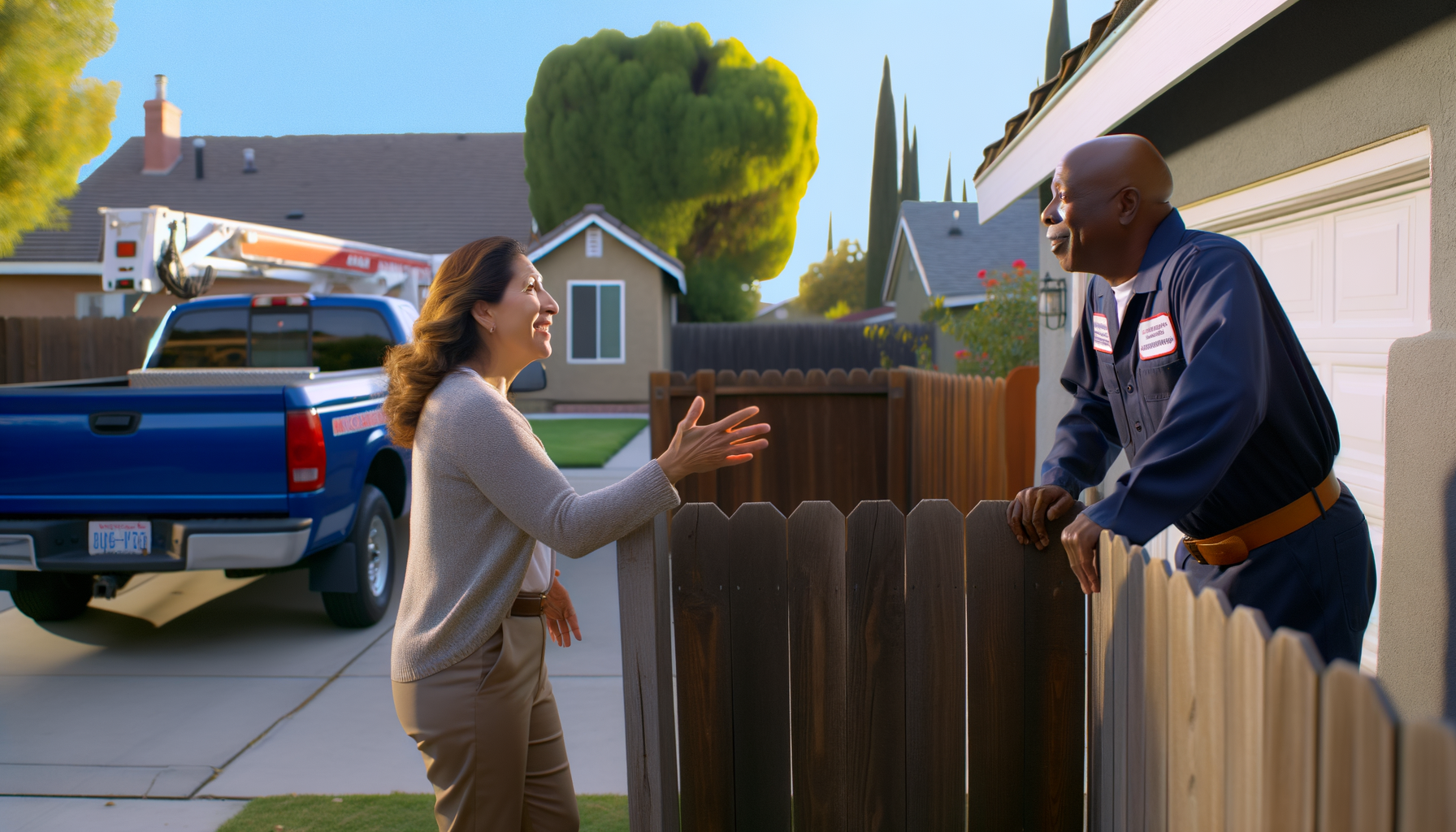
Homeowners trust shared experiences because personal recommendations provide context, accountability, and real-world results that anonymous online reviews cannot match. Neighbors and friends share similar homes, budgets, and standards, making their experiences highly relevant and trustworthy.
What Makes Personal Recommendations More Valuable Than Online Reviews?
When your neighbor tells you about their kitchen renovation, they're sharing more than just satisfaction ratings. They're providing context about their specific situation, timeline, and challenges that mirror your own. Unlike anonymous reviews that may come from vastly different circumstances, personal recommendations from people you know carry the weight of real accountability. Your friend won't recommend someone who did poor work because their reputation is tied to that suggestion. This creates a natural vetting process that goes far beyond star ratings. Personal recommendations also come with the ability to ask follow-up questions, see the actual work, and understand nuances that online reviews simply cannot capture.
How Do Shared Neighborhood Experiences Create Better Outcomes?
Homeowners in the same area face remarkably similar challenges. The HVAC contractor who understands your neighborhood's aging ductwork, the roofer familiar with local weather patterns, or the plumber who knows the quirks of homes built in your area brings invaluable expertise. When neighbors share their experiences, they're essentially crowd-sourcing quality control within their community. A contractor who consistently delivers good work in your neighborhood has proven they can handle the specific conditions, permit requirements, and architectural styles common to your area. This geographic clustering of recommendations creates a powerful feedback loop that benefits everyone in the community.
What Information Do Personal Recommendations Provide?
Shared experiences deliver contextual details that online reviews often miss:
- Actual project costs with detailed breakdowns and timeline accuracy
- How contractors handled unexpected problems and change orders
- Communication style, punctuality, and respect for the home
- Quality of cleanup and attention to protecting existing finishes
- Follow-up service and warranty responsiveness over time
- Specific expertise with similar home styles, ages, or unique features
Why Do Homeowners Value Accountability in Referrals?
When someone you know personally recommends a service provider, they're putting their own credibility on the line. This creates a powerful motivation for them to be honest and thorough in their assessment. Unlike anonymous reviewers who may have ulterior motives or dramatically different standards, your personal network has ongoing relationships with you that they value. This accountability works both ways—contractors who know they're being referred within tight-knit communities understand that their reputation travels quickly. A single bad experience can effectively shut them out of an entire neighborhood network. This dynamic naturally elevates service quality and creates consequences for poor performance that don't exist with one-off transactions from online platforms.
How Can Homeowners Evaluate Shared Experiences Effectively?
Follow this process to make the most of personal recommendations:
- Ask specific questions about timeline, communication, and problem-solving rather than general satisfaction
- Request to see the completed work in person when possible, especially for visible improvements
- Inquire about the contractor's response to any issues that arose during or after the project
- Discuss pricing structure and whether the final cost matched initial estimates
- Learn about the contractor's crew, subcontractors, and overall project management approach
- Ask about permits, inspections, and compliance with local building codes
What Role Does Trust Play in Home Repair Decisions?
Home repairs often involve significant investments and access to your most personal space. The trust factor becomes paramount when you're allowing strangers into your home, potentially while you're away, to perform work that affects safety and value. Personal recommendations carry embedded trust from the relationship you have with the recommender. When your colleague vouches for their electrician, they're not just commenting on technical skill—they're confirming that this person can be trusted in your home. This trust transfer is something that no amount of online research can replicate. The peace of mind that comes from knowing others you trust have had positive experiences often outweighs small differences in price or convenience.
How Do Extended Networks Amplify Reliable Recommendations?
Your immediate circle might not have experience with every type of repair you need, but their networks often do. The concept of six degrees of separation becomes powerful when applied to service recommendations. Your friend's sister's contractor, your colleague's neighbor's electrician, or your family member's trusted handyman all represent potentially excellent matches for your needs. These extended connections maintain many of the trust benefits of direct personal recommendations while dramatically expanding your options. The key is that each link in the chain represents a real relationship with real accountability, unlike the anonymous nature of online platforms.
What Should You Document From Personal Recommendations?
Keep track of these details when receiving recommendations:
- Contact information and business name/license numbers
- Specific services performed and project scope
- Timeline from initial contact to project completion
- Total cost and payment structure details
- Any challenges encountered and how they were resolved
- Follow-up services or warranty work needed
- Overall satisfaction level and likelihood to rehire
Why Are Shared Experiences More Relevant Than Expert Reviews?
Professional reviewers and industry experts bring technical knowledge, but they don't share your priorities as a homeowner. Your neighbor cares about the same things you do: fair pricing, minimal disruption, respectful workers, and quality results that last. They're evaluating contractors through the lens of someone who lives in the space and deals with the long-term consequences of the work. Expert reviews might focus on technical perfection or industry best practices, while personal experiences reveal how contractors perform in real-world situations with typical homeowner budgets and expectations. This alignment of priorities makes shared experiences incredibly relevant for decision-making.
Frequently Asked Questions
How many personal recommendations should I get before hiring someone?
Aim for at least 2-3 recommendations from different sources within your network. Multiple independent endorsements help confirm consistency in quality and service, while different perspectives provide a more complete picture of what to expect.
What if my friends haven't had similar repair work done recently?
Look for contractors who've done any quality work in your network, even if different from your project. Good contractors often handle multiple types of repairs, and work quality tends to be consistent across different services.
Should personal recommendations override significantly lower prices from other contractors?
Consider the total value, not just upfront cost. Personal recommendations often prevent costly mistakes, change orders, and redo work that can make the cheapest option the most expensive in the long run.
How do I politely ask detailed questions about someone's contractor experience?
Frame questions around your specific concerns: 'I'm worried about timeline—how did they handle scheduling?' Most people are happy to share details when they know it helps you make a better decision.
What if someone I trust had a bad experience with a highly-rated contractor?
Personal experiences from trusted sources should carry significant weight in your decision. Even highly-rated contractors can have off days, personality conflicts, or declining standards that recent personal experience would reveal.
How recent should personal recommendations be to remain valuable?
Recommendations within the past 2-3 years are most valuable, as they reflect current pricing, practices, and service quality. Older recommendations can still indicate general reliability but may not reflect current performance.
Find Trusted Repair Services Through Your Network
Tools like Linked By Six automatically show you which local contractors and repair services your friends, colleagues, and neighbors already trust—discovering these valuable connections before you start searching. See your network's trusted providers and make confident decisions based on shared experiences from people you know.
Personal recommendations for home repairs represent more than just opinions—they're trust transfers from people who share your priorities and understand your situation. The accountability, context, and relevance that come with shared experiences create a natural quality filter that online reviews simply cannot match. While the digital world offers convenience, the most satisfied homeowners consistently rely on the proven approach of learning from others' real experiences. By understanding why personal recommendations are so powerful, you can make repair decisions with confidence, knowing you're building on the collective wisdom of your community.