
Why Familiarity Matters During Emergency HVAC Situations
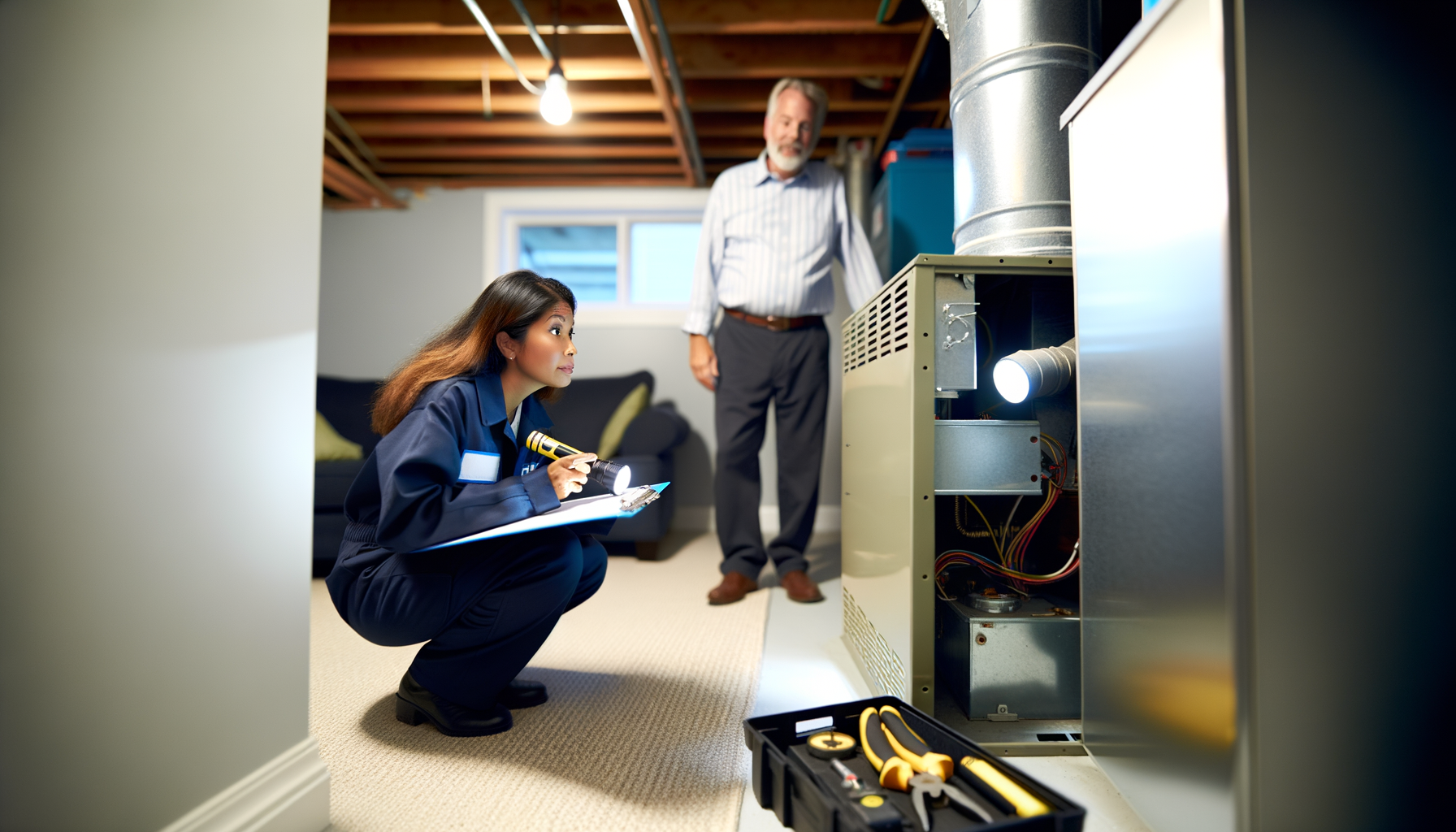
Familiarity matters in HVAC emergencies because a technician who knows your system can diagnose problems faster, avoid unnecessary repairs, and provide accurate solutions. This reduces downtime, prevents costly mistakes, and ensures your comfort is restored quickly during critical situations.
What Makes HVAC Emergencies So Stressful?
When your heating or cooling system fails, especially during extreme weather, every minute counts. The stress of an uncomfortable home combines with the pressure to find help quickly, often leading to hasty decisions. You might end up calling the first company that answers the phone, only to face inflated emergency rates, unnecessary repairs, or technicians unfamiliar with your specific system. This is precisely when having an established relationship with a trusted HVAC professional becomes invaluable. A familiar technician already knows your system's history, quirks, and maintenance record, allowing them to jump straight into problem-solving rather than starting from scratch with diagnostics.
How Does System Knowledge Speed Up Repairs?
A technician familiar with your HVAC system can often diagnose issues over the phone before even arriving at your home. They remember previous service calls, know which components have been replaced recently, and understand your system's typical performance patterns. This familiarity translates into faster repairs because they can bring the right parts on their first visit and avoid the trial-and-error approach that unfamiliar technicians might use. When your heat goes out on a winter night or your AC fails during a summer heatwave, this efficiency can mean the difference between a few hours of discomfort and days of waiting for the right diagnosis and parts.
What Are the Financial Benefits of Technician Familiarity?
Working with a familiar HVAC professional provides several cost advantages during emergencies:
- Reduced diagnostic time means lower labor costs, as they don't need to spend hours learning your system
- Accurate problem identification prevents unnecessary part replacements and multiple service calls
- Established relationship often means priority scheduling and potentially reduced emergency rates
- Knowledge of your system's warranty status and service history helps avoid redundant work
- Familiar technicians can recommend cost-effective temporary fixes when immediate full repairs aren't feasible
Why Is Trust Crucial During High-Stress Situations?
HVAC emergencies create vulnerability. You're uncomfortable, possibly dealing with extreme temperatures, and under pressure to make quick decisions about expensive repairs. This is when unscrupulous contractors might take advantage, recommending unnecessary services or inflating prices. A familiar technician you trust eliminates this worry. You know their work quality, pricing is transparent, and their recommendations are based on genuine system needs rather than profit motives. This trust allows you to focus on your family's comfort rather than second-guessing every suggestion. Moreover, a technician with an ongoing relationship has incentive to maintain their reputation with you, ensuring honest service even in emergency situations.
How Can You Build Relationships Before Emergencies Strike?
Establishing HVAC relationships before you need emergency service requires proactive planning:
- Ask friends, neighbors, and colleagues who they trust for HVAC service, focusing on long-term satisfaction rather than just recent experiences
- Schedule annual maintenance with a reputable local company, allowing them to become familiar with your system
- Keep detailed records of all service calls, repairs, and maintenance to share with your chosen technician
- Request the same technician for routine visits when possible, building personal familiarity with your specific system
- Establish communication preferences and ensure they have your emergency contact information
- Discuss emergency service policies, including after-hours availability and priority customer benefits
What Should You Document About Your HVAC System?
Proper documentation helps even new technicians work more efficiently, but it's especially valuable for maintaining continuity with your trusted professional. Keep a file with your system's model numbers, installation dates, warranty information, and a log of all service calls including dates, issues addressed, and parts replaced. Photo documentation of your unit's nameplate, filter location, and any unusual configurations can be incredibly helpful. When you find a technician you trust, share this information with them and ask them to add their own notes about your system's condition, performance characteristics, and any recommendations for future attention. This collaborative documentation becomes invaluable during emergency calls.
What Emergency Preparation Steps Should You Take?
Prepare for HVAC emergencies by completing these essential tasks:
- Save your trusted HVAC company's emergency contact number in your phone and post it near your thermostat
- Learn the location of your electrical breakers, gas shutoffs, and main water valve
- Keep extra air filters on hand and know how to change them
- Identify temporary heating or cooling options like space heaters, fans, or alternative rooms to use
- Create a system information sheet with model numbers, service history, and recent repairs
- Establish relationships with neighbors who might provide temporary comfort during extended outages
- Keep emergency cash available, as some after-hours services might require immediate payment
The best time to find a good HVAC technician is when you don't need one. Emergency situations are not the time to be researching companies and checking references.
Mike Thompson, 20-year HVAC veteran and service manager
How Do You Evaluate HVAC Professionals for Long-Term Relationships?
When seeking an HVAC professional for ongoing service, look beyond just technical competence. The right technician should communicate clearly, explaining problems and solutions in terms you understand. They should be willing to show you issues when possible and discuss multiple repair options with honest cost-benefit analysis. Pay attention to their punctuality, cleanliness, and respect for your home. A good long-term HVAC partner will also provide preventive maintenance reminders, seasonal tips, and be available for questions between visits. Most importantly, they should demonstrate genuine interest in your system's long-term performance rather than just fixing immediate problems.
What Role Does Local Community Knowledge Play?
Local HVAC professionals familiar with your area understand regional challenges like seasonal weather patterns, common system types in neighborhood homes, and local building codes. They're also more likely to prioritize their local reputation and maintain long-term customer relationships. When friends and neighbors consistently recommend the same company, it indicates reliable service and fair pricing over time. This community knowledge extends beyond just technical expertise to understanding local supply chains, permitting processes, and even which local suppliers stock parts for your specific system type. During emergencies, this local knowledge can significantly speed up repair processes.
Frequently Asked Questions
Should I pay extra for emergency HVAC service if I have a relationship with a technician?
Yes, emergency rates are typically higher due to after-hours availability, but familiar technicians often work more efficiently and may offer priority scheduling or reduced emergency premiums for regular customers, ultimately saving money.
How often should I have HVAC maintenance to build a relationship with a technician?
Annual maintenance is typically sufficient for building familiarity, but some homeowners schedule bi-annual service (spring and fall) to maintain stronger relationships and ensure optimal system performance year-round.
What if my trusted HVAC technician isn't available during an emergency?
Established companies typically have multiple technicians who share customer information and system notes. Ask your regular technician about their company's emergency coverage and backup procedures for existing customers.
Can I build a relationship with an HVAC technician without expensive maintenance contracts?
Yes, you can establish relationships through individual service calls and maintenance visits. However, many maintenance agreements offer emergency service benefits and priority scheduling that can be valuable during urgent situations.
How do I know if an HVAC technician is taking advantage during an emergency?
Red flags include pressure for immediate expensive replacements, reluctance to explain problems clearly, or prices significantly above previous service calls. Trusted technicians explain issues thoroughly and offer repair options when possible.
Take Action
Before your next HVAC emergency strikes, ask three neighbors or colleagues who they trust for heating and cooling service. Schedule a maintenance visit with the most recommended company to begin building that crucial relationship before you need it most.
HVAC emergencies are stressful enough without the added uncertainty of working with unfamiliar technicians. Building relationships with trusted professionals before problems arise ensures faster diagnosis, more accurate repairs, and greater peace of mind during critical situations. The investment in regular maintenance and relationship-building pays dividends when your comfort and safety depend on quick, reliable service. Remember that the best emergency HVAC service comes from technicians who already know your system, understand your needs, and have earned your trust through consistent, quality work over time.