
Why Your Pet Needs a Familiar Vet (Trust Matters)
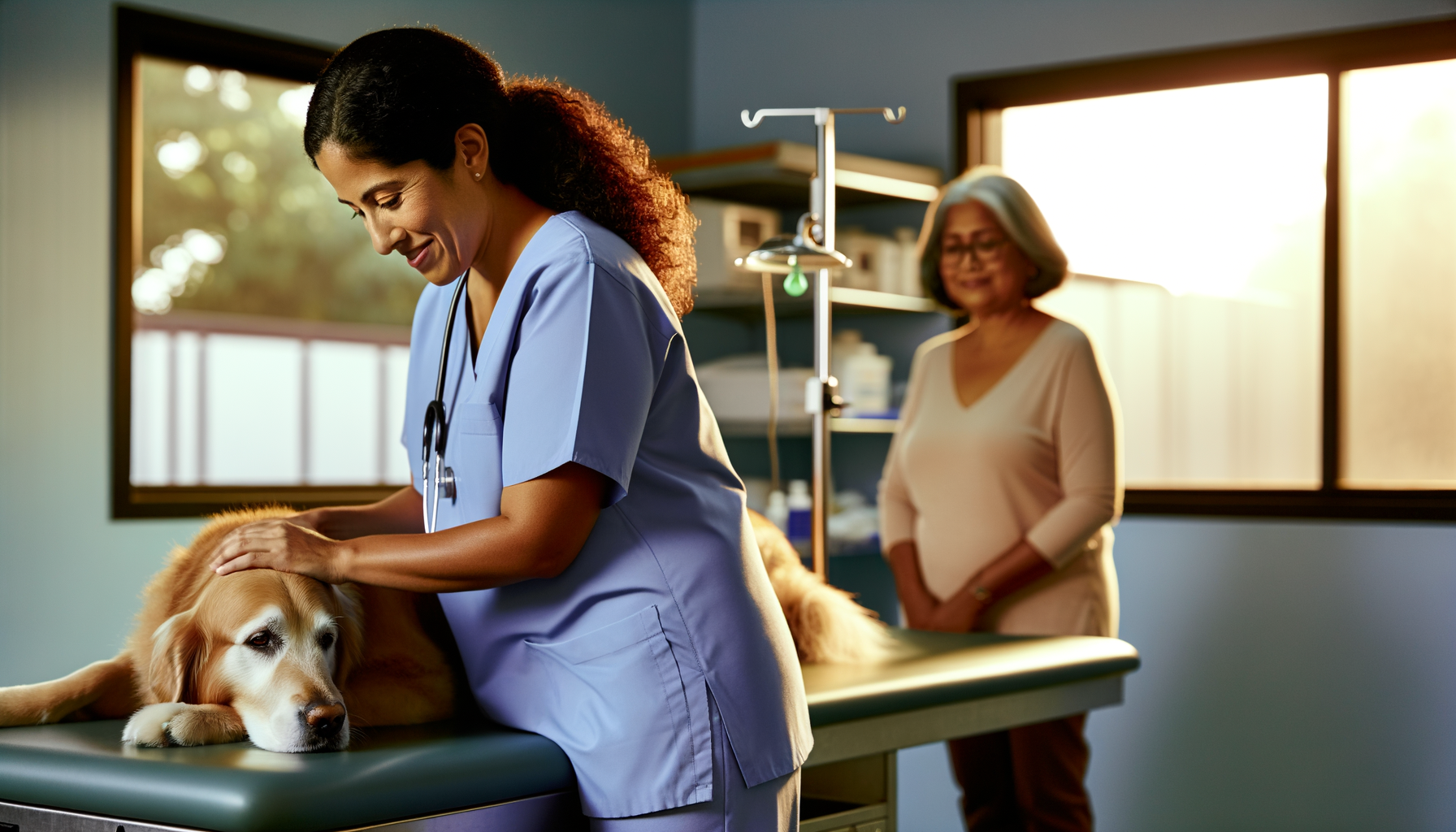
Familiar veterinarians provide better healthcare because they know your pet's medical history, personality, and baseline health markers. This relationship reduces stress for anxious pets, enables early detection of health changes, and creates trust that leads to more accurate diagnoses and effective treatment plans.
How Does Familiarity Reduce Stress for Your Pet?
Veterinary visits are inherently stressful for most pets. Strange smells, unfamiliar sounds, and new faces can trigger anxiety that makes examination difficult and potentially dangerous. When your pet sees the same veterinarian regularly, they begin to recognize and trust that person's scent, voice, and gentle handling techniques. This familiarity dramatically reduces cortisol levels and allows for more thorough examinations. A relaxed pet is more likely to allow the vet to check sensitive areas, listen to their heart clearly, and perform necessary procedures without sedation. Many pet owners notice their animals actually begin to enjoy visits with their regular vet, wagging tails or purring when they recognize their trusted healthcare provider.
Why Does Knowing Your Pet's History Matter?
A familiar veterinarian maintains detailed records of your pet's health journey, but more importantly, they develop intuitive knowledge about what's normal for your specific animal. They remember that your dog always runs slightly warmer, or that your cat typically hides during storms but has been acting differently lately. This baseline understanding is invaluable for early disease detection. While a new vet might see test results within normal ranges, your regular vet knows those same numbers represent a significant change for your pet. They can spot subtle personality shifts, weight fluctuations, or behavioral changes that indicate developing health issues months before they become serious problems requiring expensive emergency treatment.
What Are the Key Benefits of Long-Term Veterinary Relationships?
Building a relationship with one trusted veterinarian creates multiple advantages for both preventive care and emergency situations:
- Personalized care plans tailored to your pet's breed, age, lifestyle, and medical history
- Faster diagnosis during emergencies because the vet already knows your pet's baseline health
- Better medication compliance since the vet understands your pet's temperament and your family's schedule
- Cost savings through preventive care that catches problems early before they require expensive treatments
- Reduced need for repeat tests and procedures since comprehensive records are maintained
- Trust-based communication where you feel comfortable asking questions and discussing concerns openly
How Does Familiarity Improve Emergency Care?
Emergency situations are terrifying for pet owners, but having a familiar veterinarian can make the difference between life and death. Your regular vet already knows your pet's medical history, current medications, previous reactions to treatments, and normal vital signs. This knowledge eliminates dangerous guesswork during critical moments when every second counts. They can immediately rule out treatments that haven't worked before and focus on interventions most likely to succeed for your specific pet. Additionally, your pet will be less stressed during emergency treatment when handled by someone they recognize, which can actually improve treatment outcomes by reducing stress-induced complications.
How Can You Build a Strong Relationship With Your Veterinarian?
Creating a lasting partnership with your pet's healthcare provider requires intentional effort from both sides:
- Schedule regular wellness visits even when your pet appears healthy to maintain consistent contact
- Come prepared with written questions and observations about your pet's behavior or health changes
- Be honest about your budget constraints so your vet can prioritize treatments and suggest alternatives
- Follow through on recommended treatments and report back on how your pet responded
- Ask for guidance on home care techniques like nail trimming or medication administration
- Respect appointment times and give advance notice for cancellations to maintain a positive relationship
What Should You Look for in a Long-Term Veterinary Partner?
Not every veterinarian will be the right fit for your family's needs, so it's important to find someone who aligns with your pet care philosophy and communication style. Look for a vet who takes time to explain procedures and treatment options clearly, respects your questions without condescension, and demonstrates genuine affection for animals. Consider their approach to preventive care, emergency availability, and willingness to refer to specialists when needed. The clinic's location, hours, and staff friendliness also matter since you'll be visiting regularly for years. Pay attention to how your pet responds to the veterinarian during initial visits—animals are excellent judges of character and their comfort level often indicates whether this will be a successful long-term relationship.
How Do You Handle Moving or Veterinarian Changes?
Life circumstances sometimes require finding a new veterinarian, whether due to relocation, retirement, or practice changes. When this happens, request complete medical records from your previous vet and schedule a meet-and-greet appointment with potential new providers before your pet needs treatment. During this initial visit, share your pet's personality quirks, medical history highlights, and any specific concerns or preferences you have about their care. This proactive approach helps establish familiarity more quickly and ensures continuity of care. Some pet owners maintain relationships with their original veterinarian for major decisions while using a local clinic for routine care, though this approach requires careful coordination to avoid conflicting treatment plans.
Essential Questions to Ask When Choosing a Long-Term Veterinarian
Use this checklist when interviewing potential veterinary partners:
- What are your hours and emergency availability?
- How do you handle after-hours emergencies or urgent calls?
- What is your approach to preventive care and wellness programs?
- Do you maintain detailed medical records and care plans?
- How do you communicate test results and treatment updates?
- What continuing education do you pursue to stay current?
- Can you provide references from long-term clients?
- How do you work with pet insurance or payment plans?
- When do you refer to specialists versus handling issues in-house?
- What is your philosophy on end-of-life care and quality of life decisions?
Frequently Asked Questions
How often should I take my healthy pet to see their regular veterinarian?
Healthy adult pets should visit their familiar veterinarian annually for wellness exams, while senior pets (over 7 years) benefit from bi-annual checkups to monitor age-related changes and maintain the trusted relationship.
Is it worth paying more for a veterinarian my pet already knows and trusts?
Yes, the value of familiarity often outweighs cost differences. A trusted vet provides more accurate diagnoses, catches problems earlier, and reduces stress-related complications, potentially saving money on emergency treatments and repeat visits.
What should I do if my pet doesn't seem to like their regular veterinarian?
Persistent fear or aggression toward a familiar vet may indicate incompatible personalities or handling styles. Consider scheduling a consultation with a different veterinarian to see if your pet responds better to a new approach.
How can I help my pet become more comfortable with veterinary visits?
Schedule brief social visits between appointments, practice handling exercises at home, bring high-value treats, and maintain calm energy yourself. Your familiar veterinarian can also recommend specific desensitization techniques for anxious pets.
Should I switch vets if mine doesn't offer the latest technology or treatments?
Consider whether your current vet refers appropriately to specialists with advanced capabilities. The relationship and trust you've built may be more valuable than having every service in one location, especially for routine care.
How do I find a trustworthy veterinarian when moving to a new area?
Research veterinarians with strong community connections and long-term client relationships. Tools that show you which local vets your network already trusts can help identify providers with proven track records among people you know.
Find a Veterinarian Your Network Trusts
Finding the right long-term veterinary partner is crucial for your pet's health and happiness. Rather than choosing blindly from online directories, discover which local veterinarians your friends, neighbors, and colleagues already trust. Tools like Linked By Six automatically show you the veterinary practices that people in your network recommend, helping you find a trusted provider who can build that essential familiar relationship with your pet.
The relationship between your pet and their veterinarian extends far beyond annual checkups—it's a partnership that can literally save your pet's life. Familiar veterinarians provide superior healthcare through their deep knowledge of your pet's individual needs, personality, and medical history. This familiarity reduces stress for both pets and owners while enabling early detection of health problems and more effective treatment outcomes. While it may take time to build this trusted relationship, the investment pays dividends in better health, lower stress, and often reduced long-term costs. When choosing a veterinary partner, prioritize someone who demonstrates genuine care for your pet and commits to building a lasting relationship focused on preventive care and open communication.