
Why Your Familiar Plumber Saves You During Emergencies
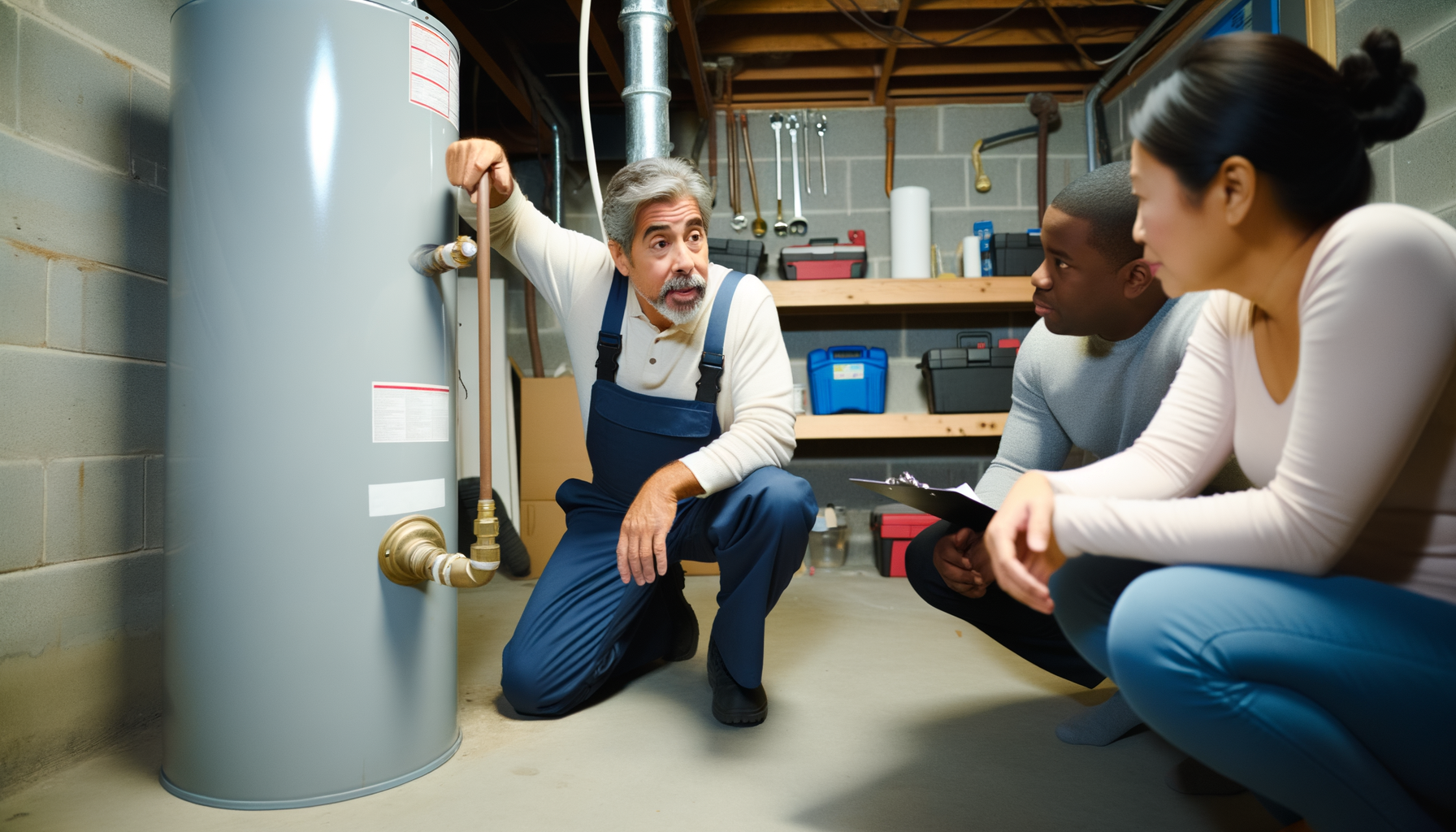
A familiar plumber who knows your home's plumbing history can diagnose problems faster, provide more accurate solutions, and prevent costly mistakes during emergencies. They understand your system's quirks, previous repairs, and potential problem areas, making them invaluable when urgent issues arise.
What Makes Emergency Plumbing Different from Routine Repairs?
Emergency plumbing situations don't give you the luxury of time. When water is gushing from a burst pipe or your basement is flooding, every minute counts. Unlike routine maintenance where you can research options and get multiple quotes, emergencies demand immediate action and quick decision-making. This is precisely when having a familiar plumber becomes invaluable. They already know your home's layout, understand your plumbing system's age and condition, and can arrive with the right tools and parts. A stranger might spend precious time just figuring out where your main shut-off valve is located, while your trusted plumber can immediately begin damage control.
How Does System Knowledge Impact Repair Speed?
Every home's plumbing system tells a story, and a familiar plumber knows your home's chapters by heart. They remember that your kitchen pipes were updated five years ago but the bathroom still has original fixtures from 1987. They know which connections tend to loosen and where sediment typically builds up. This institutional knowledge allows them to diagnose problems faster and more accurately than someone seeing your system for the first time. When your water pressure drops suddenly, a familiar plumber might immediately recall that similar symptoms occurred before a specific valve failed, leading them straight to the solution instead of through a lengthy troubleshooting process.
What Critical Information Does Your Plumber Remember?
A plumber who has worked on your home multiple times maintains mental (and often written) records that prove invaluable:
- Previous repair locations and methods used, helping them spot patterns in wear and failure
- Specific pipe materials and sizes throughout your home, ensuring they bring correct replacement parts
- Locations of hidden shut-off valves, clean-outs, and access points that aren't obvious to newcomers
- Your home's water pressure characteristics and any ongoing issues with fixtures or appliances
- Building code compliance status and any grandfathered systems that require special handling
- Your budget preferences and quality standards from previous projects
Why Do Unfamiliar Plumbers Charge More for Complex Issues?
When plumbing problems escalate beyond simple fixes, unfamiliar plumbers face significant unknowns that familiar ones don't. They must factor extra time for system assessment, potential complications from previous repairs they didn't perform, and the risk of encountering unexpected problems mid-repair. This uncertainty translates into higher quotes and longer project timelines. Additionally, they may recommend complete replacements of systems that a familiar plumber knows could be repaired, simply because they don't have confidence in the existing infrastructure's reliability. A trusted plumber who has maintained your system over time can make more targeted repairs and provide honest assessments about what truly needs replacement versus what can be effectively repaired.
How Can You Build a Relationship Before You Need Emergency Help?
The best time to find your go-to plumber is before you have an emergency. Here's how to build that crucial relationship:
- Ask neighbors, friends, and coworkers who they use for plumbing work - personal recommendations reveal which plumbers build lasting relationships with customers
- Schedule routine maintenance like water heater inspection or drain cleaning to meet potential plumbers during non-emergency situations
- Keep the contact information and service records from any plumber who does good work, even for small jobs
- When you find someone reliable, ask if they provide emergency services and what their typical response time is
- Consider having your chosen plumber perform an annual plumbing inspection to familiarize them with your entire system
- Maintain the relationship by calling them first for any plumbing needs, rather than shopping around each time
What Should You Expect During Your First Emergency with a New Plumber?
If you must call an unfamiliar plumber during an emergency, expect the process to take longer and cost more than if you had an established relationship. They'll need time to locate your main water shut-off, understand your system layout, and assess what previous repairs might affect their work. Be prepared to answer questions about your home's age, any recent plumbing work, and known problem areas. This initial assessment period is necessary but can feel frustrating when you're dealing with water damage or a complete loss of water service. The experience should reinforce why building a relationship with a trusted plumber before emergencies occur is so valuable.
What Information Should You Prepare for Emergency Plumbing Calls?
Whether calling a familiar plumber or someone new, having this information ready speeds up emergency response:
- Location of your main water shut-off valve
- Age of your home and any major plumbing updates
- Clear description of the problem and when it started
- Whether you've attempted any temporary fixes
- Location of the problem area and accessibility concerns
- Contact information for your regular plumber if available
How Does Familiarity Help with Insurance Claims and Warranties?
When plumbing emergencies result in property damage, having a familiar plumber becomes even more valuable. They can provide detailed documentation of what failed, why it failed, and whether it was due to normal wear, manufacturing defects, or external factors. This expertise is crucial for insurance claims, as insurers often require professional assessments to determine coverage. A plumber who knows your system's history can also identify whether failed components are still under warranty and help you navigate manufacturer claims. Their familiarity with your previous repairs and maintenance schedule provides credible evidence of proper home care, which can positively impact claim outcomes.
The plumber who installed our water heater three years ago came out within an hour when it started leaking. He immediately knew it was a warranty issue with the pressure relief valve and had us back up and running the same day. A new plumber would have spent hours just figuring out the system.
Jennifer M., Portland homeowner
What Role Does Trust Play in Emergency Decision-Making?
Emergency plumbing situations often require quick decisions about repairs that can cost hundreds or thousands of dollars. When you're stressed about water damage and facing time pressure, having a plumber you trust becomes invaluable. You know their work quality, their pricing is fair, and their recommendations are honest rather than profit-driven. This trust allows you to make faster decisions and focus on other emergency priorities like protecting your belongings or coordinating with insurance companies. With an unfamiliar plumber, you're left wondering whether their emergency pricing is reasonable and if their suggested repairs are necessary, adding stress to an already difficult situation.
Frequently Asked Questions
Should I keep the same plumber even if they're not the cheapest?
Yes, especially for complex or emergency work. A familiar plumber's efficiency, accurate diagnoses, and knowledge of your system often result in lower overall costs despite higher hourly rates.
How often should I have my plumber inspect my home's plumbing?
Annual inspections are ideal for building familiarity and catching problems early. At minimum, have your trusted plumber assess the system every two years or after any major repairs.
What if my regular plumber isn't available during an emergency?
Ask your trusted plumber for backup recommendations of colleagues they work with. They often know other professionals who maintain similar standards and can provide quality emergency service.
Is it worth paying more to maintain a relationship with one plumber?
Absolutely. The time and money saved during emergencies, plus the peace of mind from trusted advice, typically far outweigh any small differences in routine service costs.
Take Action
Don't wait for a plumbing emergency to find a trusted professional. Ask three neighbors or friends who they use for plumbing work, then schedule a routine maintenance appointment to start building that valuable relationship before you need it most.
Building a relationship with a trusted plumber before emergencies strike is one of the smartest investments you can make as a homeowner. Their familiarity with your home's unique plumbing system translates into faster diagnoses, more accurate repairs, and significant cost savings during critical situations. The peace of mind that comes from knowing you have a reliable professional who understands your home's history is invaluable when plumbing disasters occur. Start building that relationship today through personal recommendations and routine maintenance, so you're prepared when urgent repairs become necessary.