
When to Schedule Proactive Brake Checks: 7 Essential Signs
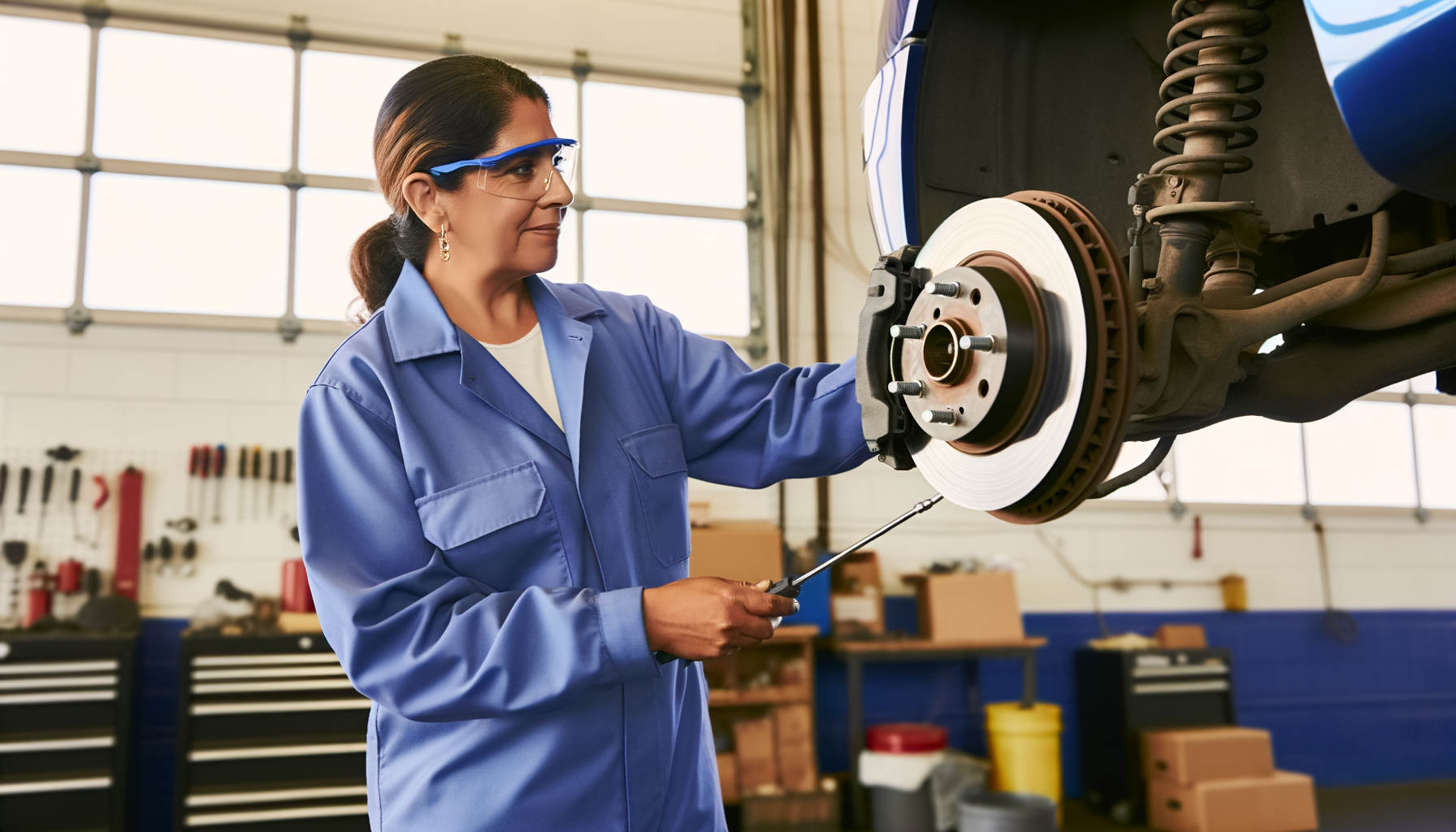
Schedule proactive brake checks every 12,000 miles or annually, whichever comes first. However, drive conditions, brake pad material, and driving habits may require more frequent inspections to prevent costly repairs and ensure safety.
Why Does Timing Matter for Brake Inspections?
Your brakes are your vehicle's most critical safety system, yet they're often the most neglected until something goes wrong. The difference between proactive and reactive brake maintenance can mean the difference between a $200 pad replacement and a $1,500 rotor and caliper overhaul. More importantly, it's the difference between stopping safely and experiencing brake failure in an emergency. Understanding when to schedule inspections allows you to catch wear patterns early, identify potential problems before they become dangerous, and maintain optimal stopping power. The key is recognizing that brake components don't fail overnight—they give you warning signs that trained technicians can identify during routine inspections.
What's the Standard Brake Inspection Schedule?
Most automotive experts recommend following these general guidelines for brake inspections:
- Every 12,000 miles or once per year for average driving conditions
- Every 6,000-8,000 miles for heavy city driving or stop-and-go traffic
- Every 15,000-20,000 miles for primarily highway driving with minimal stops
- Immediately when you notice any changes in brake feel or performance
- Before long road trips or when towing heavy loads
- During routine oil changes if your service interval exceeds 6 months
How Do Driving Conditions Affect Inspection Timing?
Your driving environment dramatically impacts how quickly brake components wear down. City drivers who frequently stop at traffic lights, navigate parking lots, and deal with stop-and-go traffic put significantly more stress on their brake systems than highway commuters. Mountain driving with steep grades forces brakes to work harder on descents, generating more heat and wear. Towing boats, trailers, or other heavy loads increases stopping distances and brake system stress. Even weather conditions matter—driving in areas with road salt accelerates corrosion of brake components, while dusty environments can cause premature pad wear. If your daily drive includes any of these challenging conditions, consider increasing your inspection frequency to every 6-8 months rather than annually.
What Warning Signs Should Prompt Immediate Inspection?
Don't wait for your scheduled inspection if you notice these symptoms:
- Squeaking or squealing noises when applying brakes
- Grinding or metal-on-metal sounds during braking
- Vibration in the brake pedal or steering wheel when stopping
- Brake pedal feels spongy, soft, or sinks toward the floor
- Vehicle pulls to one side when braking
- Brake warning light illuminates on your dashboard
- Burning smell after heavy braking or driving down hills
- Visible brake fluid leaks under your parked vehicle
How Does Brake Pad Material Influence Inspection Timing?
The type of brake pads in your vehicle affects both how long they last and how often you should have them inspected. Organic brake pads are gentler on rotors but wear out faster, typically requiring inspection every 8,000-10,000 miles. Semi-metallic pads last longer but can be harder on rotors and may need checking every 12,000-15,000 miles. Ceramic pads offer the longest life and produce less dust, but they're also the most expensive to replace when they do wear out. Your mechanic can tell you which type your vehicle has and adjust the inspection schedule accordingly. Additionally, performance or racing brake pads require more frequent monitoring due to their aggressive compounds designed for maximum stopping power rather than longevity.
What Should You Track Between Professional Inspections?
Keep a simple log to help determine optimal inspection timing:
- Record your current mileage and date of last brake inspection
- Note any changes in brake pedal feel or responsiveness
- Monitor for unusual noises during braking
- Check brake fluid level monthly using the reservoir under the hood
- Observe if your vehicle stops in the same distance as usual
- Watch for brake dust accumulation on your wheels
- Document any pulling or vibration during braking
Why Is Professional Assessment Better Than DIY Inspection?
While you can check brake fluid levels and listen for obvious noises, a comprehensive brake inspection requires specialized knowledge and tools. Professional technicians can measure pad thickness with precision gauges, check rotor runout and thickness, inspect brake lines for corrosion or damage, and test brake fluid for moisture content and contamination. They can also identify issues you might miss, such as caliper problems, brake hose deterioration, or master cylinder issues. Perhaps most importantly, experienced mechanics can predict how much life remains in your brake components, allowing you to plan repairs around your schedule and budget rather than being caught off-guard by sudden brake failure.
How Can Seasonal Changes Affect Brake Inspection Timing?
Many drivers benefit from aligning brake inspections with seasonal vehicle maintenance routines. Spring inspections can identify damage from winter road salt and harsh weather conditions. Summer checks ensure your brakes are ready for vacation road trips and hot weather driving that can stress brake systems. Fall inspections prepare your vehicle for increased stopping distances on wet leaves and early winter conditions. Winter brake checks are crucial in areas where road salt accelerates corrosion of brake components. This seasonal approach also helps you budget for brake maintenance and ensures you're never caught unprepared during challenging driving seasons.
I always tell my customers that brake inspections are like health checkups—regular monitoring catches small issues before they become expensive problems. The cost of an inspection is insignificant compared to the cost of brake failure.
Mike Rodriguez, ASE-Certified Master Technician
Frequently Asked Questions
How often should I have my brakes inspected?
Most vehicles need brake inspections every 12,000 miles or annually. However, city driving, mountain terrain, or heavy towing may require inspections every 6,000-8,000 miles.
Can I tell if my brakes need inspection just by looking?
Visual inspection has limitations. While you might see extremely worn pads through wheel spokes, professional inspection with proper tools is needed to accurately assess brake system condition.
What happens if I skip regular brake inspections?
Skipping inspections can lead to brake failure, costly repairs when pads wear completely, rotor damage, and compromised safety. Early detection saves money and prevents dangerous situations.
Do new cars need brake inspections right away?
New vehicles typically don't need brake inspections for the first 15,000-20,000 miles unless you notice performance changes. Follow your manufacturer's recommended maintenance schedule initially.
How much does a professional brake inspection cost?
Basic brake inspections typically cost $50-$100 at most shops. Many service centers offer free brake inspections, especially if you're considering having work done there.
Should brake inspections be done with oil changes?
If your oil changes occur every 6,000-7,500 miles, this timing works well for brake inspections. It's convenient and ensures regular monitoring of your brake system health.
Find Your Trusted Brake Specialist
Don't leave brake safety to chance with unknown mechanics. Tools like Linked By Six automatically show you which brake specialists your friends, family, and colleagues already trust and recommend—giving you confidence before you even make the appointment.
Proactive brake maintenance isn't just about preventing expensive repairs—it's about ensuring your family's safety every time you drive. By following appropriate inspection intervals based on your driving conditions, staying alert to warning signs, and working with trusted professionals, you maintain optimal brake performance year-round. Remember that brake components give you warning signs before they fail completely, but only regular professional inspections can catch these early indicators. The small investment in routine brake inspections pays dividends in safety, reliability, and avoiding the much higher costs of emergency brake repairs.