
When to Schedule Your Home's Electrical Inspection
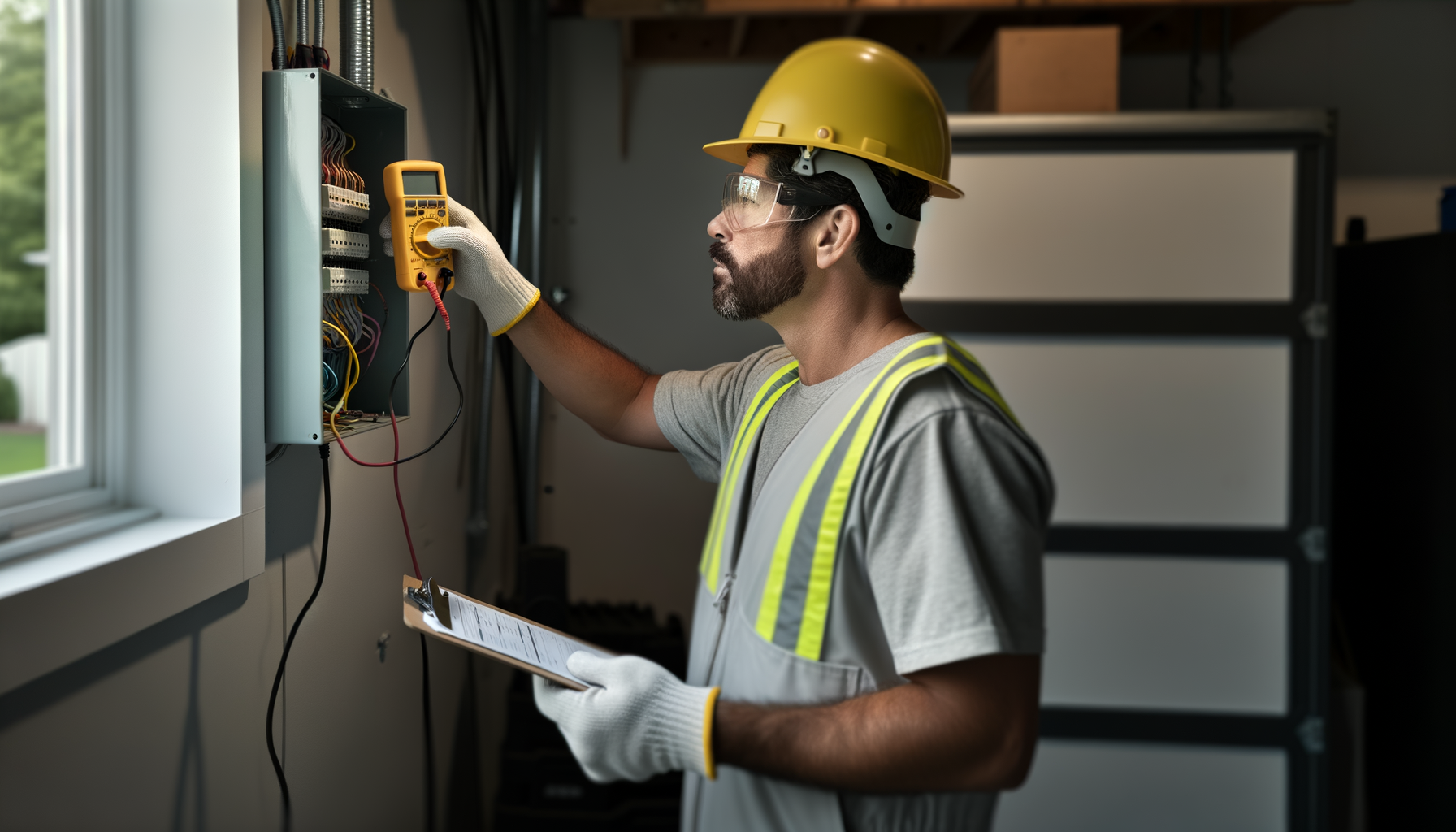
Schedule electrical inspections every 3-5 years for homes under 40 years old, annually for older homes, and immediately when buying, renovating, or experiencing electrical issues like flickering lights or frequent breaker trips.
Why Does Timing Matter for Electrical Inspections?
Your home's electrical system works silently behind the walls, making it easy to forget until something goes wrong. Unlike other home maintenance tasks with obvious signs of wear, electrical problems often develop gradually and invisibly. By the time you notice flickering lights or burning smells, the issue may have already created safety hazards or code violations. Preventive electrical inspections catch these problems early, when they're easier and less expensive to fix. The key is understanding when your electrical system is most vulnerable to problems, so you can schedule inspections before issues become emergencies.
What's the Standard Schedule for Electrical Inspections?
The frequency of electrical inspections depends on your home's age, electrical load, and local requirements:
- Every 3-5 years for homes built after 1980 with modern electrical systems and minimal modifications
- Every 2-3 years for homes built between 1950-1980, especially those with original electrical panels
- Annually for homes over 40 years old, particularly those with original wiring or multiple renovations
- Every 6 months for homes with known electrical issues, aluminum wiring, or federal Pacific panels
- Immediately after any major electrical work, even if performed by licensed contractors
When Should You Schedule an Immediate Inspection?
Certain situations require immediate electrical inspection, regardless of your regular schedule. If you're buying a home, an electrical inspection should be part of your due diligence process—many insurance companies now require this for older homes. Major renovations that add electrical load, like kitchen remodels or home additions, necessitate inspections to ensure your system can handle the increased demand. Moving into a previously vacant property also warrants inspection, as electrical systems can deteriorate when not in regular use. Additionally, any electrical work performed by previous owners should be verified, even if they claim it was done to code.
Which Warning Signs Indicate You Need an Inspection Soon?
Your electrical system often provides subtle warning signs before major problems develop:
- Lights that flicker or dim when large appliances turn on, indicating overloaded circuits
- Circuit breakers that trip frequently, especially when using normal household appliances
- Outlets or switches that feel warm to the touch, suggesting dangerous overheating
- Burning or metallic smells near electrical panels, outlets, or fixtures
- Sparks when plugging in or unplugging devices, even small ones
- Extension cords used as permanent solutions due to insufficient outlets
- GFCI outlets that won't reset or test properly in kitchens, bathrooms, and outdoor areas
How Do Seasonal Factors Affect Inspection Timing?
Spring and fall offer ideal timing for electrical inspections, as these seasons precede your highest electrical usage periods. Schedule spring inspections before summer air conditioning season puts maximum stress on your electrical system. Fall inspections prepare your system for winter heating loads and holiday lighting. Many electrical contractors offer better availability and pricing during these shoulder seasons, compared to peak summer and winter months when they're responding to emergency calls. Additionally, moderate weather makes it more comfortable for electricians to work in attics, basements, and other areas where electrical components are located.
What Should You Prepare Before Scheduling?
Proper preparation helps you get maximum value from your electrical inspection:
- Document any electrical issues you've noticed, including when and where they occur
- Gather records of previous electrical work, permits, and inspection reports
- Clear access to electrical panels, outlets, and fixtures throughout your home
- List any planned electrical projects or appliance additions for the inspector's consideration
- Research local electrical codes and permit requirements for your area
- Prepare questions about electrical capacity, safety upgrades, and code compliance
How Often Do Insurance Companies Require Inspections?
Insurance requirements increasingly drive electrical inspection schedules, particularly for older homes. Many insurers now require electrical inspections for homes over 30 years old before issuing policies, and some mandate periodic re-inspections every 5-10 years to maintain coverage. Homes with known problematic components like aluminum wiring, Federal Pacific panels, or knob-and-tube wiring may face annual inspection requirements. Some insurance companies offer premium discounts for homes with recent electrical inspections and safety certifications. Understanding your insurer's requirements helps you plan inspections strategically, potentially saving money on both insurance premiums and inspection costs.
What's the Best Way to Find a Qualified Electrical Inspector?
The quality of your electrical inspection depends entirely on the inspector's expertise and thoroughness. Licensed electricians with inspection certifications provide the most comprehensive evaluations, as they understand both current code requirements and practical electrical system performance. Look for inspectors who use modern testing equipment like thermal imaging cameras and digital multimeters, not just visual inspections. The best electrical inspectors come recommended by people who've actually used their services and can speak to their thoroughness, communication skills, and reliability. Personal recommendations carry weight because electrical work involves significant safety and financial implications—you want someone your trusted contacts would use again.
Frequently Asked Questions
How much does a typical home electrical inspection cost?
Most electrical inspections cost $200-$500 depending on home size and complexity. Larger homes or those requiring specialized testing may cost more, but this investment prevents costly emergency repairs and safety hazards.
Can I perform electrical inspection myself to save money?
While you can check for obvious issues, professional electrical inspections require specialized equipment and training to detect hidden problems. DIY inspections miss dangerous conditions that only trained electricians can identify safely.
How long does a complete electrical inspection take?
Comprehensive electrical inspections typically take 2-4 hours for average homes. Larger properties or those with complex electrical systems may require a full day, especially if detailed testing reveals issues.
Will electrical inspection identify code violations from previous work?
Yes, professional inspections identify work that doesn't meet current electrical codes, including unpermitted modifications. Inspectors can recommend which violations require immediate attention versus those acceptable under grandfather clauses.
Do I need to be home during the electrical inspection?
While not required, being present helps you understand findings and ask questions. If you can't be there, ensure the inspector has access to all electrical panels, outlets, and areas throughout your home.
What happens if the inspection finds serious electrical problems?
Serious issues require immediate attention from licensed electricians. Your inspector should provide detailed reports prioritizing safety hazards and code violations, along with recommended timeframes for repairs to guide your next steps.
Find Your Trusted Electrical Inspector
Finding a qualified electrical inspector shouldn't mean starting from scratch with online searches. Tools like Linked By Six automatically show you which local electrical professionals your friends, family, and colleagues have actually used and trusted—giving you confidence before you even make contact.
Timing your electrical inspections strategically protects both your family's safety and your financial investment in your home. By following age-appropriate inspection schedules, responding promptly to warning signs, and leveraging seasonal advantages, you maintain a safe and code-compliant electrical system. Remember that electrical problems rarely improve on their own—early detection through preventive inspection saves money and prevents dangerous situations. The key is finding qualified inspectors through trusted networks and scheduling regular maintenance before problems become emergencies.