
When to Hire a Security System Installer: 7 Key Signs
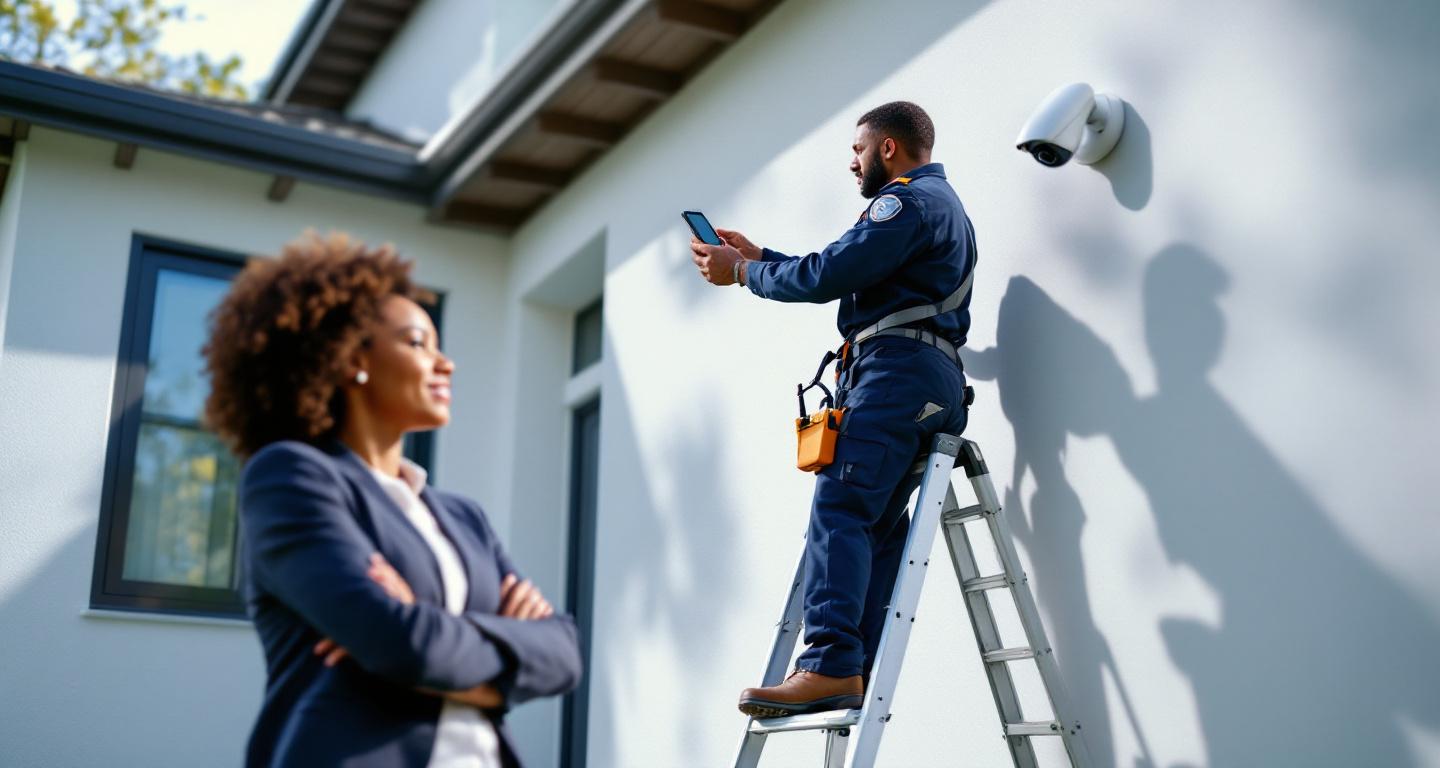
Hire a security system installer when moving into a new home, after a break-in, when upgrading to smart technology, or for complex multi-zone systems. Professional installation ensures optimal placement, proper integration, and warranty protection that DIY installations often lack.
Why Does Professional Installation Matter?
Security system installation isn't just about mounting cameras and connecting wires—it's about creating a comprehensive protection strategy tailored to your property's unique vulnerabilities. Professional installers bring expertise in optimal device placement, ensuring cameras capture clear footage without blind spots and sensors detect movement effectively. They understand local building codes, proper weatherproofing techniques, and how different security components integrate seamlessly. Most importantly, professional installation typically includes warranties and ongoing support that protect your investment. A poorly installed DIY system might fail when you need it most, while professional installation provides confidence that your security measures will function reliably when protecting your family and property.
What Are the 7 Key Situations for Professional Installation?
Certain circumstances make professional security installation not just beneficial, but essential for optimal protection:
- Moving into a new home - Unknown vulnerabilities require expert assessment and fresh system design
- After a security incident - Professional evaluation can identify weaknesses that led to the breach
- Upgrading to smart home integration - Complex connectivity requires technical expertise for seamless operation
- Installing whole-house systems - Multi-zone coverage needs strategic planning and professional-grade equipment
- Dealing with challenging architecture - Unique layouts, high ceilings, or difficult wiring situations
- Adding commercial-grade features - Advanced analytics, multiple user access, or integration with existing business systems
- When insurance discounts are available - Many insurers require professional installation for security system discounts
How Do You Know When DIY Isn't Enough?
While basic wireless security cameras might seem straightforward to install, several factors indicate you need professional expertise. If your project involves running cables through walls, connecting to electrical panels, or integrating with existing smart home systems, professional installation becomes crucial. Complex properties with multiple entry points, large yards, or unique architectural features require strategic planning that goes beyond basic device placement. Additionally, if you're investing in high-end equipment or want features like professional monitoring, central station connectivity, or advanced analytics, professional installation ensures you're maximizing your investment. Consider your comfort level with technology, available time for troubleshooting, and the consequences of system failure when deciding between DIY and professional installation.
What Should You Expect During Professional Installation?
Understanding the professional installation process helps you prepare and ensures you get maximum value:
- Comprehensive security assessment identifying vulnerabilities and optimal equipment placement
- Detailed proposal outlining equipment, installation approach, and timeline
- Professional-grade tools and techniques for clean, weatherproof installations
- System programming, testing, and user training on all features
- Documentation including warranties, user manuals, and system specifications
- Follow-up support and maintenance recommendations
What Questions Should You Ask Before Hiring?
Vetting security installers requires asking specific questions that reveal their expertise and professionalism. Inquire about licensing and insurance requirements in your area, as legitimate installers carry proper credentials and liability coverage. Ask about their experience with your specific type of property and security needs—residential installers may lack commercial expertise and vice versa. Request details about warranty coverage for both equipment and installation work, including how they handle service calls and system issues. Understand their approach to system design and whether they perform on-site assessments before providing quotes. Finally, ask about ongoing support options, monitoring services, and how they handle system upgrades or expansions. These questions help identify installers who view security as an ongoing relationship rather than a one-time transaction.
How Do You Prepare for Installation Day?
- Clear pathways and work areas where equipment will be installed
- Secure pets in a separate area away from installation zones
- Identify and mark any sensitive areas or items to avoid during installation
- Ensure reliable internet connectivity and test Wi-Fi strength in installation areas
- Gather any existing security documentation or access codes that might be relevant
- Plan for installation time, which typically takes 4-8 hours depending on system complexity
- Prepare questions about system operation and maintenance
- Arrange for someone to be present during the entire installation process
When Should You Consider System Upgrades?
Security technology evolves rapidly, and knowing when to upgrade your system protects your investment and maintains optimal security. Consider professional upgrade installation when your current system is more than five years old, as newer technology offers significantly improved image quality, smart home integration, and mobile accessibility. Life changes like home additions, new family members, or changed work schedules often require system modifications that benefit from professional assessment. If you're experiencing frequent false alarms, connectivity issues, or equipment failures, upgrading with professional installation can resolve these frustrations while improving overall security effectiveness. Additionally, changes in your neighborhood's security landscape or new threats might necessitate enhanced protection that requires professional expertise to implement properly.
What Are the Long-term Benefits of Professional Installation?
Professional security installation provides advantages that extend far beyond the installation day itself. Properly installed systems experience fewer technical issues, reducing frustrating downtime and emergency service calls. Professional installers establish relationships that support long-term system maintenance, upgrades, and troubleshooting, giving you a trusted resource as your security needs evolve. Many professional installations include ongoing monitoring options and support services that DIY systems can't match. Additionally, professional installation documentation supports insurance claims and may be required for security system discounts on homeowner's insurance. The peace of mind that comes from knowing your security system was installed correctly and backed by professional support allows you to focus on enjoying your home rather than worrying about technical issues or security gaps.
Frequently Asked Questions
How much does professional security system installation cost?
Professional installation typically costs $200-800 depending on system complexity, with whole-house systems requiring higher investment. Many companies offer free installation with equipment purchase or monitoring contracts.
Can I install part of my security system myself and hire professionals for the rest?
Yes, hybrid approaches work well for some homeowners. Consider professional installation for complex components like wired cameras or central panels while handling simple wireless devices yourself.
How long does professional security system installation take?
Installation typically takes 4-8 hours for residential systems, depending on the number of devices and complexity. Whole-house systems or properties with challenging layouts may require full-day installations.
Do professional installers provide training on how to use my security system?
Reputable installers include comprehensive user training covering all system features, mobile app functionality, and basic troubleshooting. They should also provide written documentation and ongoing support contact information.
What happens if my professionally installed security system has problems?
Professional installers typically provide warranty coverage for installation work and help coordinate equipment warranty claims. They offer ongoing support relationships for troubleshooting and system modifications.
Should I hire the same company for installation and monitoring services?
Using one company for both services often provides better integration and support, but isn't required. Compare options for equipment quality, installation expertise, monitoring features, and long-term value.
Find Trusted Security Installers
Finding reliable security professionals shouldn't mean calling random companies from search results. Tools like Linked By Six automatically show you which security installers your friends, neighbors, and colleagues have actually used and trusted—giving you confidence before you even make contact.
Timing your security system installation correctly ensures you get maximum protection and value from your investment. Whether you're responding to immediate security concerns, upgrading outdated equipment, or planning proactive protection for a new home, professional installation provides expertise and peace of mind that DIY approaches often can't match. The key is recognizing when your situation requires professional expertise and finding installers who understand that security is about building long-term protection strategies, not just mounting equipment. By asking the right questions and preparing properly, you can ensure your professional installation creates a security system that protects your property and family for years to come.