
When to Hire a Home Inspector: 7 Essential Times
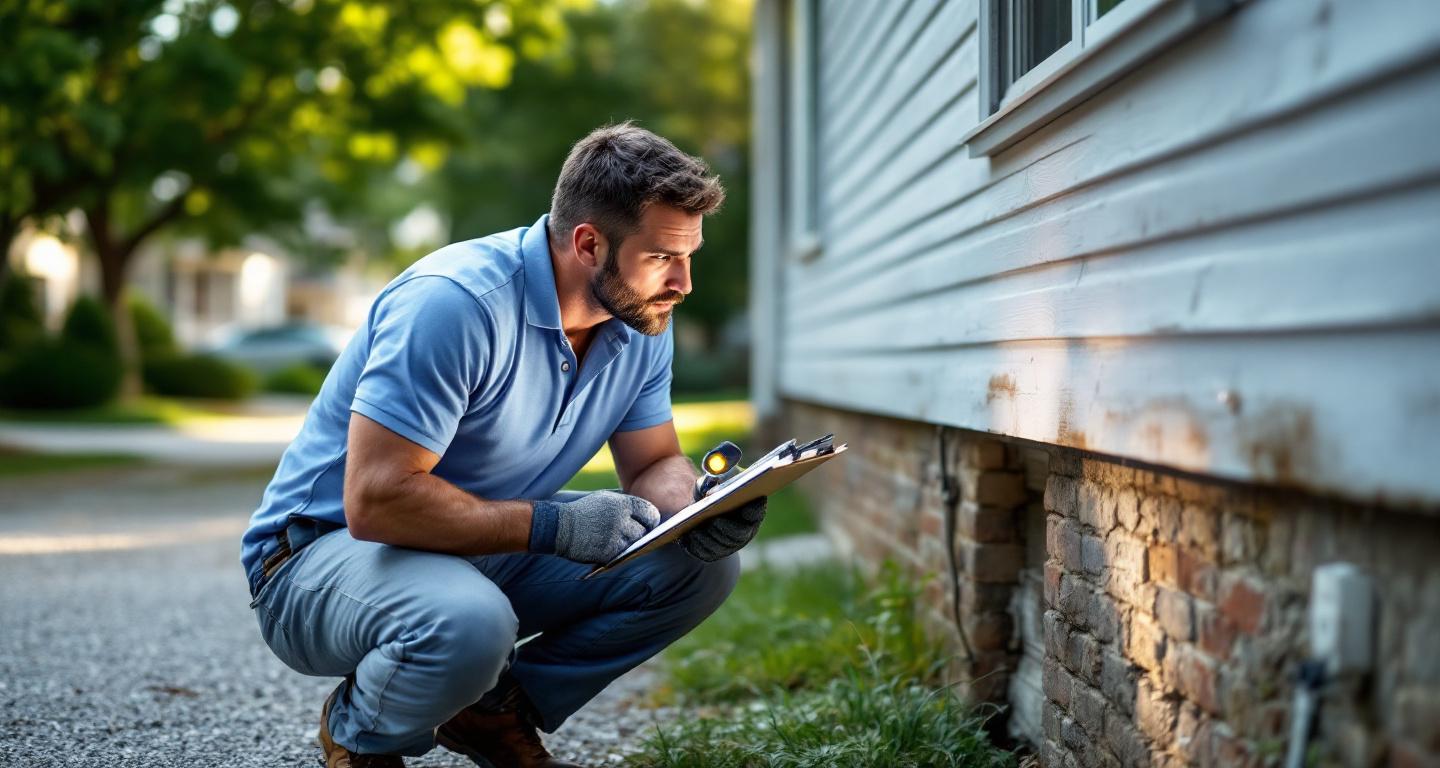
Hire a home inspector when buying property, before major renovations, after severe weather damage, during pre-listing preparations, for older homes needing assessment, following insurance claims, and when planning significant system upgrades to identify potential issues early.
Why Timing Matters for Home Inspections
Most people associate home inspections solely with buying a house, but savvy property owners understand that strategic timing can save thousands in unexpected repairs and protect family safety. A home inspection at the right moment provides an objective assessment of your property's condition, helping you make informed decisions about maintenance, repairs, and improvements. Whether you're a first-time buyer or a seasoned homeowner, understanding when to schedule an inspection empowers you to stay ahead of costly problems. The key is recognizing that your home is a complex system where small issues can quickly escalate into major headaches without proper attention.
When Buying a Home: Your Most Critical Inspection
The purchase inspection remains the most important time to hire a professional, but timing within the buying process matters significantly.
- Schedule immediately after offer acceptance during your inspection contingency period (typically 7-10 days)
- Book 3-4 business days from contract signing to allow time for report review and negotiations
- Attend the inspection personally to ask questions and understand your future home's systems
- Order specialized inspections (pest, radon, sewer) simultaneously to maximize your contingency period
- Review the report thoroughly before your contingency deadline to negotiate repairs or pricing adjustments
Before Major Renovations: Avoiding Costly Surprises
Planning a kitchen remodel or bathroom renovation? A pre-renovation inspection reveals hidden issues that could derail your project timeline and budget. Older homes especially benefit from this proactive approach, as inspectors can identify outdated electrical systems, plumbing problems, or structural concerns before contractors begin work. This knowledge allows you to budget appropriately and avoid the shock of discovering major problems mid-project. Many homeowners discover they need electrical panel upgrades, water line replacements, or structural reinforcements—information that's much more valuable before construction begins than after walls are opened.
After Severe Weather: Protecting Your Investment
Weather damage isn't always immediately visible, making post-storm inspections crucial for long-term home health.
- Hail damage to roofing, siding, and gutters that may not be apparent from ground level
- Wind damage to structural elements, chimneys, and exterior features
- Water intrusion from damaged roofing or siding that could lead to mold issues
- Foundation settling or cracking from flooding or ground saturation
- HVAC system damage from debris or electrical surges during storms
When Selling: Maximizing Your Market Position
Smart sellers schedule pre-listing inspections to address issues before buyers discover them. This proactive strategy allows you to make repairs on your timeline and budget, rather than scrambling during negotiations. You can choose which items to fix and which to price accordingly, maintaining control over the transaction. Additionally, providing a recent inspection report demonstrates transparency and can differentiate your listing in competitive markets. Buyers appreciate knowing a home's condition upfront, and addressing obvious issues beforehand prevents last-minute surprises that could derail closing.
For Aging Homes: Preventive Maintenance Strategy
Homes over 15-20 years old benefit from periodic professional assessments, even without specific concerns. Major systems like HVAC, roofing, and plumbing have predictable lifespans, and regular inspections help you plan replacements strategically. This approach prevents emergency situations where you're forced to make hasty, expensive decisions. An inspector can assess the remaining useful life of major components and prioritize maintenance needs, helping you budget for future improvements. Think of it as preventive healthcare for your home—catching small issues before they become major problems.
Red Flags That Signal Immediate Inspection Needs
- Unexplained increases in utility bills suggesting efficiency problems
- New cracks in walls, ceilings, or foundation areas
- Persistent moisture issues or musty odors indicating potential mold
- Electrical problems like frequent breaker trips or flickering lights
- HVAC system struggling to maintain comfortable temperatures
- Roof leaks or water stains on ceilings and walls
- Pest activity or signs of wildlife intrusion
Insurance and Warranty Situations
Certain insurance and warranty scenarios require professional documentation to validate claims or assess coverage needs. If you're filing a claim for potential damage, having an independent inspector's assessment strengthens your position with insurance adjusters. Similarly, when home warranties expire on major systems, an inspection can help you decide whether to renew coverage or self-insure based on actual system conditions. Some insurance companies offer discounts for homes with recent inspection reports, recognizing that proactive maintenance reduces claim likelihood.
What Professional Inspectors Evaluate
Understanding inspection scope helps you maximize the value of professional services.
- Structural components including foundation, framing, and load-bearing elements
- Electrical systems from main panels to outlets and safety features
- Plumbing systems including water pressure, drainage, and fixture conditions
- HVAC systems covering heating, cooling, and ventilation effectiveness
- Roofing materials, gutters, and weatherproofing integrity
- Insulation and ventilation affecting energy efficiency and moisture control
- Safety features like smoke detectors, carbon monoxide detectors, and GFCI outlets
Choosing the Right Inspector for Your Situation
Not all inspectors are equal, and different situations may require specific expertise or certifications. New construction inspections need inspectors familiar with current building codes and construction techniques. Older homes benefit from inspectors experienced with vintage systems and materials. Specialized situations like commercial properties, multi-family buildings, or properties with unique features require inspectors with relevant experience. Verify licensing, insurance, and professional associations, and don't hesitate to ask about their specific experience with your type of property or situation.
Frequently Asked Questions
How much does a home inspection typically cost?
Home inspections typically cost $300-$600 for average-sized homes, depending on location, property size, and scope. Specialized inspections like radon or pest assessments cost additional $100-$300 each.
How long does a home inspection take?
Most home inspections take 2-4 hours depending on property size and condition. Larger homes or those with multiple issues may require additional time for thorough assessment.
Should I be present during the home inspection?
Yes, attending your inspection is highly recommended. You'll learn about your home's systems, ask questions directly, and understand maintenance needs better than reading the report alone.
What happens if the inspection finds major problems?
Major issues discovered during purchase inspections can be negotiated with sellers through repair requests, price reductions, or credits. For existing homeowners, findings help prioritize repairs and budget planning.
Do I need separate inspections for pests and radon?
Yes, pest and radon inspections typically require specialized expertise and equipment beyond general home inspections. These are usually ordered as separate services from qualified specialists.
Can I use an inspection report for insurance purposes?
Professional inspection reports are often accepted by insurance companies for claims documentation, especially for weather damage or pre-existing condition assessments. Confirm requirements with your insurer first.
Find Trusted Local Inspectors
Skip the guesswork of finding qualified inspectors. Tools like Linked By Six show you which local home inspectors your friends, colleagues, and neighbors have actually used and recommend—giving you confidence in your choice before you even make the call.
Knowing when to hire a home inspector extends far beyond the traditional purchase scenario. Whether you're planning renovations, dealing with weather damage, preparing to sell, or simply maintaining an aging home, professional inspections provide valuable insights that protect your investment and family safety. The key is being proactive rather than reactive—scheduling inspections at strategic moments when you can act on the findings rather than scrambling to address emergencies. By understanding these optimal timing scenarios and working with qualified professionals, you transform home inspections from stressful necessities into valuable tools for informed property ownership.