
When to Call an Electrician: Essential Safety Guide
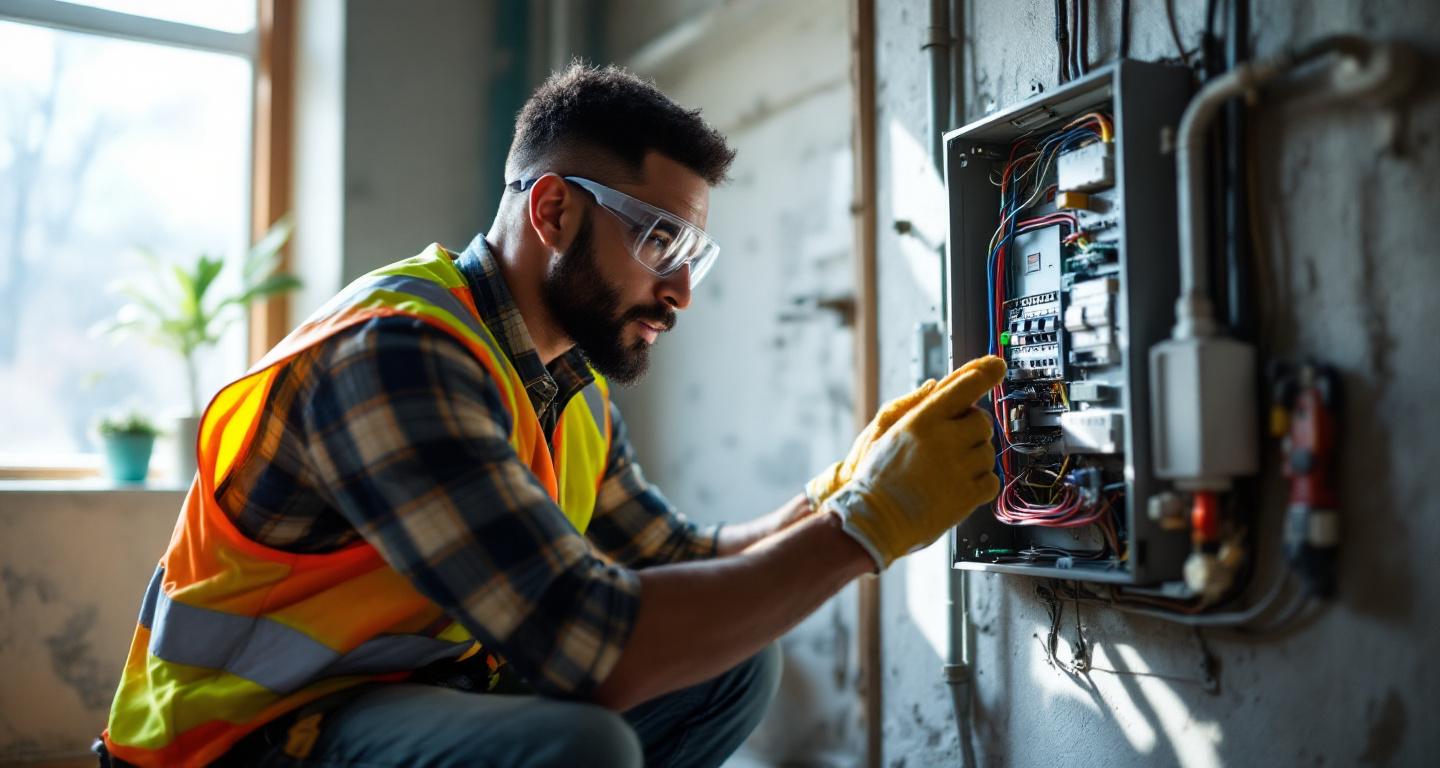
Hire an electrician for any work involving your main electrical panel, new circuits, outlets near water, flickering lights, burning smells, or frequent breaker trips. These situations pose serious safety risks that require professional expertise and proper permitting.
What are the critical warning signs that demand immediate professional attention?
Certain electrical issues signal immediate danger and require professional intervention. Flickering lights throughout your home, especially when major appliances turn on, often indicate overloaded circuits or loose connections that could spark fires. Burning smells near outlets or electrical panels suggest overheating wires—a serious fire hazard. Frequent circuit breaker trips protect your home from electrical overload, but repeated occurrences mean the underlying problem needs professional diagnosis. Warm or discolored outlet covers indicate dangerous heat buildup behind the wall. Any situation involving sparks, shocks from appliances, or buzzing sounds from electrical components requires immediate electrician attention.
When does electrical work require professional installation?
Specific electrical projects always require licensed electricians due to safety requirements and building codes:
- Installing new electrical panels or upgrading service capacity—this work involves high-voltage connections that can be fatal if handled incorrectly
- Adding new circuits or outlets, especially in kitchens, bathrooms, or outdoor areas where water increases electrocution risk
- Installing ceiling fans, chandeliers, or fixtures that require new wiring or electrical box reinforcement
- Whole-house surge protection installation to safeguard expensive electronics and appliances
- Electric vehicle charging station installation, which requires dedicated high-amperage circuits
- Rewiring projects in older homes with outdated electrical systems that don't meet current safety codes
Why do building codes and permits matter for electrical work?
Electrical work requires permits and inspections because improper installation kills hundreds of people annually and causes thousands of house fires. Licensed electricians understand local building codes that ensure safe installation practices. They pull proper permits, ensuring your work gets inspected by qualified officials who verify safety compliance. Insurance companies often deny claims for fires caused by unpermitted electrical work, leaving homeowners financially devastated. When selling your home, unpermitted electrical modifications can derail transactions or force expensive corrections. Professional electricians carry liability insurance and provide warranties, protecting you from costly mistakes. The permit process also ensures proper materials are used—counterfeit electrical components flood online marketplaces and pose serious safety risks.
What electrical tasks can homeowners safely handle themselves?
Limited electrical maintenance falls within typical homeowner capabilities when proper safety precautions are followed:
- Replacing standard light switches with identical models (ensuring power is completely shut off first)
- Installing simple plug-in fixtures like under-cabinet LED strips that don't require hardwiring
- Replacing outlet covers and switch plates for aesthetic updates
- Changing light bulbs and basic fixture maintenance like cleaning
- Resetting tripped circuit breakers and replacing blown fuses in older systems
- Testing GFCI outlets monthly using their built-in test and reset buttons
How do you recognize when your home's electrical system needs upgrading?
Homes built before 1990 often need electrical system updates to handle modern power demands safely. Two-prong outlets throughout your home indicate ungrounded circuits that can't safely power modern electronics. If you're constantly using extension cords or power strips because you lack sufficient outlets, your electrical system isn't meeting your needs. Older homes may have dangerous aluminum wiring or obsolete fuse boxes that should be replaced with modern circuit breaker panels. Dimming lights when large appliances start running suggests your electrical service lacks adequate capacity. Planning major renovations often requires electrical upgrades to meet current building codes. An electrical inspection can assess your system's safety and capacity, providing a roadmap for necessary improvements.
What questions should you ask before hiring an electrician?
Protect yourself by thoroughly vetting electrical contractors before hiring:
- Verify their license status through your state's licensing board website
- Confirm they carry both liability insurance and workers' compensation coverage
- Ask for recent local references from similar projects
- Request detailed written estimates that include materials, labor, and permit costs
- Inquire about warranty coverage on both parts and workmanship
- Understand their cleanup policy and who handles permit applications
- Discuss timeline expectations and potential complications that could cause delays
- Clarify payment schedules—avoid contractors demanding large upfront payments
What factors influence electrical service costs?
Electrical work pricing depends on project complexity, materials required, and local labor rates. Simple outlet installations might cost $100-200, while panel upgrades can range from $1,200-3,000 depending on capacity needs. Emergency calls and weekend service typically carry premium pricing. Homes with older wiring or unusual configurations require more labor time, increasing costs. High-quality materials cost more upfront but provide better long-term reliability and safety. Permit fees vary by location and project scope. Geographic location significantly impacts pricing—urban areas typically cost more than rural regions. Getting multiple detailed quotes helps you understand fair market pricing, but remember that extremely low bids often indicate corner-cutting that compromises safety. Quality electrical work is an investment in your family's safety and your home's value.
The most expensive electrical work is the kind that has to be redone. Investing in qualified professionals and quality materials prevents costly and dangerous problems down the road.
National Electrical Contractors Association Safety Guidelines
Frequently Asked Questions
Can I install a ceiling fan myself?
Most ceiling fan installations require an electrician because they need proper electrical box support and often new wiring. If replacing an existing fan with identical electrical requirements, experienced DIYers might handle it, but new installations always need professional work.
How do I know if my electrical panel needs upgrading?
Panels over 25 years old, frequent breaker trips, burning smells, rust or corrosion, or insufficient capacity for modern appliances indicate upgrade needs. An electrical inspection provides definitive assessment of your panel's condition and capacity.
What's the difference between an electrician and electrical contractor?
Electricians are licensed individuals who perform electrical work. Electrical contractors are businesses that employ electricians and handle larger projects, permits, and customer relationships. Both must carry proper licensing and insurance.
How long does typical electrical work take?
Simple outlet installation takes 1-2 hours. Panel upgrades require 4-8 hours plus inspection time. Whole-house rewiring takes several days. Timeline depends on project complexity, permit requirements, and inspection scheduling.
Is it worth getting multiple electrical quotes?
Yes, get 3-4 detailed quotes for major electrical work. This helps you understand fair pricing and different approaches. However, don't automatically choose the lowest bid—verify qualifications and understand what's included.
What should I do if I smell something burning near electrical components?
Immediately turn off power at the circuit breaker and call an electrician. Burning smells indicate overheating wires or components that could cause fires. Never ignore electrical burning odors—they represent serious safety hazards.
Find Trusted Electricians Through Your Network
Finding a reliable electrician shouldn't mean starting from scratch with online reviews. Tools like Linked By Six automatically show you which local electricians your friends, family, and colleagues already trust—giving you verified recommendations before you search. See your network's trusted connections and make confident hiring decisions based on real relationships and proven results.
Electrical safety isn't worth compromising—when warning signs appear or projects exceed basic maintenance, professional electricians provide the expertise and accountability your family's safety demands. Licensed electricians understand complex building codes, carry proper insurance, and deliver work that protects your home's value and your family's wellbeing. The relationships you build with trusted service providers become invaluable resources for maintaining and improving your home over time. By understanding when to call professionals and how to find qualified electricians through your trusted networks, you're investing in both immediate safety and long-term peace of mind.