
When Should You Hire an Auto Body Shop? Essential Guide
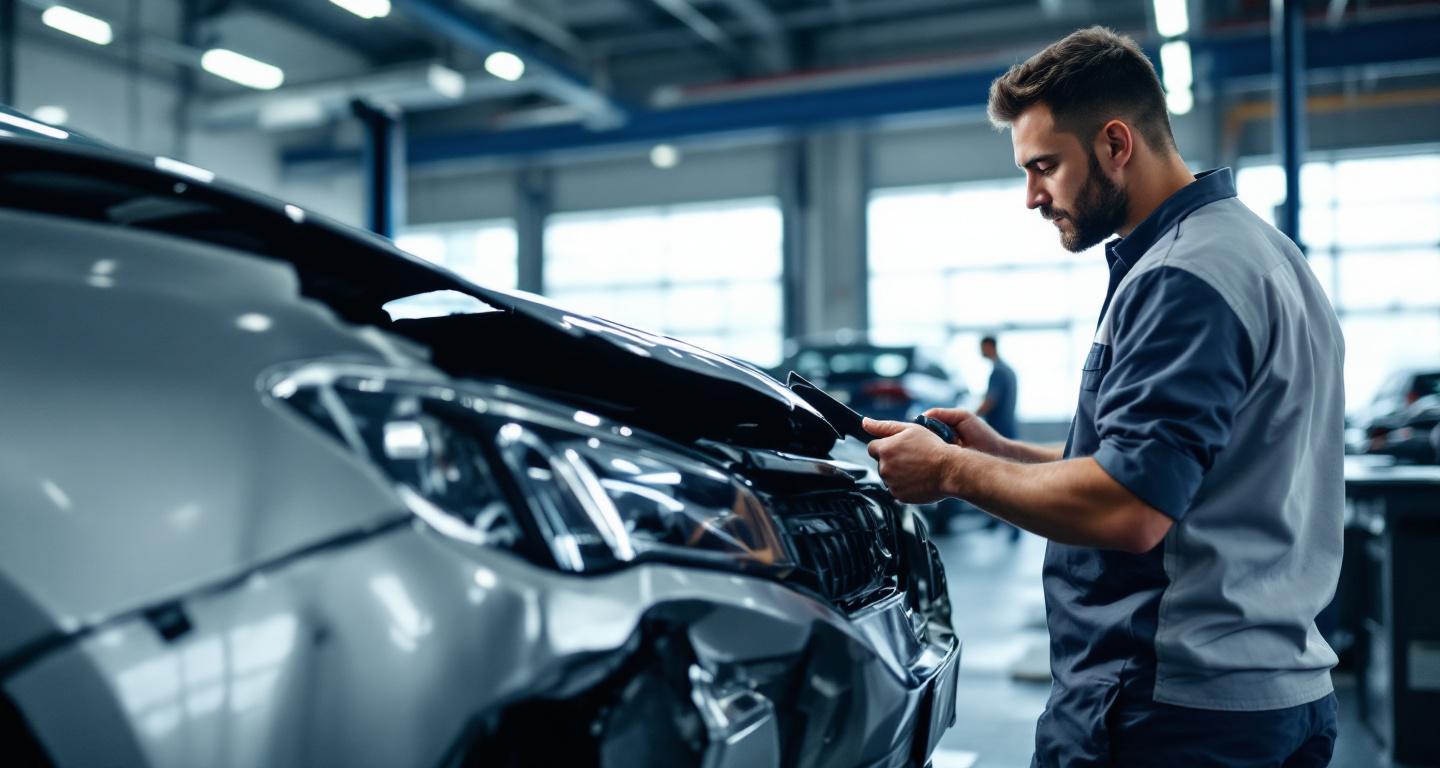
Hire an auto body shop when damage affects safety systems, structural integrity, or exceeds your skill level. Minor scratches under 2 inches might be DIY-friendly, but collision damage, deep dents, paint matching, and frame issues always require professional expertise for safety and proper repair.
What Types of Damage Require Professional Auto Body Work?
Not all car damage is created equal. Professional auto body shops have specialized equipment, training, and materials that make certain repairs safer and more effective than DIY attempts. Collision damage involving crumpled metal, misaligned panels, or compromised safety systems should always be handled by professionals. Modern vehicles have complex crumple zones and safety features that require precise restoration to function properly in future accidents. Additionally, damage involving multiple panels, paint matching across large areas, or structural components like the frame or unibody construction needs professional assessment and repair. Insurance companies often require professional estimates for claims, making shop involvement necessary for coverage. Even seemingly minor damage can hide underlying issues that only trained technicians can identify during a thorough inspection.
When Is DIY Auto Body Repair Appropriate?
Some minor cosmetic issues can be addressed at home with the right tools and patience:
- Surface scratches less than 2 inches that don't penetrate the primer
- Small paint chips on non-visible areas like wheel wells or bumper edges
- Minor scuffs on plastic trim pieces that can be buffed out
- Touch-up work on factory paint chips using manufacturer-matched paint pens
- Replacement of simple exterior accessories like mirrors or trim pieces
How Do You Assess Whether Damage Needs Professional Attention?
Start with a systematic inspection of the damaged area and surrounding components. Look beyond the obvious damage to check for ripple effects—collision force often transfers through connected panels, potentially affecting areas that appear undamaged. Test all nearby functions including lights, doors, windows, and electronic systems. If panels don't align properly, gaps between components are uneven, or you notice any changes in how the car drives or handles, professional assessment is essential. Consider the location of damage carefully. Repairs near safety systems, structural pillars, or areas with complex curves and body lines typically require professional expertise. Even if damage seems minor, get a professional opinion if you're unsure—many shops offer free estimates that can help you make an informed decision about repair necessity and complexity.
What's the Step-by-Step Process for Getting Professional Auto Body Work?
Following a structured approach ensures you get quality repairs at fair prices:
- Document all damage thoroughly with photos from multiple angles, including close-ups and wider shots showing the vehicle's overall condition
- Contact your insurance company if applicable to understand coverage, deductible requirements, and preferred provider networks
- Research potential auto body shops by checking credentials, certifications, and manufacturer approvals for your vehicle brand
- Obtain detailed written estimates from 2-3 shops, ensuring they inspect the vehicle in person rather than providing phone quotes
- Compare estimates carefully, looking beyond price to understand included services, parts quality, and warranty terms
- Schedule the work during a time when you can arrange alternative transportation, as repairs often take several days to complete properly
What Should You Expect During the Auto Body Repair Process?
Professional auto body repair follows a systematic process that prioritizes safety and quality. Initial assessment may reveal additional damage not visible during the estimate, which is normal and should be communicated clearly before additional work begins. The shop should provide regular updates on progress, especially if timelines change due to parts availability or unforeseen complications. Quality shops take photos during disassembly to document hidden damage and show repair progress. Expect the process to take several days to weeks depending on damage severity, parts availability, and shop workload. Paint work requires specific environmental conditions and curing time that can't be rushed without compromising results. Upon completion, inspect the work carefully in good lighting, test all functions, and ensure paint matches properly from multiple angles. Reputable shops stand behind their work with warranties and will address any concerns promptly.
Red Flags to Watch for When Choosing an Auto Body Shop
- Estimates significantly lower than others without clear explanation
- Pressure to sign contracts immediately or start work without proper documentation
- Reluctance to allow you to inspect their facility or see other work in progress
- No proper business license, insurance, or industry certifications displayed
- Poor communication or unwillingness to explain repair processes and timelines
- Facility appears disorganized, equipment seems outdated, or workspace is unprofessional
- No warranty offered on work performed or parts used
- Requests for full payment upfront before work begins
How Does Insurance Impact Your Auto Body Shop Decision?
Insurance coverage significantly affects both timing and shop selection for auto body repairs. If you're filing a claim, contact your insurance company immediately after documenting damage—many insurers have specific procedures and preferred provider networks that can streamline the process and potentially reduce your out-of-pocket costs. However, you're typically not required to use insurance-recommended shops and can choose any licensed facility. Some shops work directly with insurance companies, handling paperwork and communicating about additional damage or repair modifications, which can simplify the process for you. Understand your deductible and coverage limits before committing to repairs. For minor damage where repair costs are close to your deductible amount, paying out of pocket might make more sense than filing a claim that could impact future premiums. Get clear written agreements about who handles insurance communication and what happens if repair costs exceed initial estimates.
What Questions Should You Ask Before Hiring an Auto Body Shop?
Asking the right questions upfront prevents misunderstandings and ensures you choose a shop aligned with your needs and budget. Inquire about their specific experience with your vehicle make and model, as some manufacturers have unique repair procedures or require specialized training. Ask about parts sourcing—whether they use OEM, aftermarket, or recycled parts, and how this affects cost, quality, and warranty coverage. Understand their warranty policy completely, including what's covered, for how long, and what might void coverage. Get clear timelines for completion, including factors that might cause delays and how they communicate schedule changes. Ask about their paint matching process and whether they guarantee color accuracy. Inquire about their facility's security measures if your car will be stored there for extended periods. Finally, ask for references from recent customers with similar repair needs, and don't hesitate to contact them about their experience with work quality, communication, and timeline adherence.
Frequently Asked Questions
How much does typical auto body repair cost?
Auto body repair costs vary widely based on damage extent, vehicle type, and location. Minor scratches might cost $200-500, while major collision damage can range from $2,000-10,000+. Always get written estimates from multiple shops.
How long do auto body repairs usually take?
Simple repairs take 1-3 days, while complex collision damage requiring paint work and parts ordering can take 1-3 weeks. Timeline depends on damage severity, parts availability, and shop workload.
Should I get multiple estimates for auto body work?
Yes, getting 2-3 estimates helps you understand fair pricing and compare repair approaches. Significant price differences often indicate varying repair quality levels or parts choices that deserve investigation.
Will auto body repairs affect my car's resale value?
Professional repairs using quality parts and proper techniques typically maintain resale value better than DIY attempts. Keep documentation of all professional work to show potential buyers the repair quality.
Can I drive my car while waiting for auto body repair appointments?
Only if the damage doesn't affect safety systems, lights, or structural integrity. If doors don't close properly, lights are damaged, or handling feels different, avoid driving until repairs are completed.
Do auto body shops provide rental cars during repairs?
Some shops offer rental arrangements, but coverage varies by location and repair complexity. Check with your insurance company first, as they often provide rental coverage that may be more comprehensive than shop offerings.
Find Trusted Auto Body Shops in Your Network
Don't rely on online reviews alone when choosing an auto body shop for your valuable vehicle. Tools like Linked By Six automatically show you which collision repair specialists your friends, family, and colleagues have actually used and trusted—giving you real recommendations before you search.
Knowing when to hire an auto body shop versus attempting DIY repairs can save you money, time, and safety concerns. Professional shops bring specialized expertise, proper equipment, and warranty coverage that's essential for anything beyond minor cosmetic damage. The key is honest assessment of damage severity, your skill level, and safety implications. When in doubt, professional consultation costs far less than fixing botched DIY attempts or compromising your vehicle's safety systems. Taking time to research and choose the right shop, ask appropriate questions, and understand the repair process ensures you get quality work that maintains your vehicle's value and safety for years to come.