
When to Hire a Flooring Contractor: 7 Essential Signs
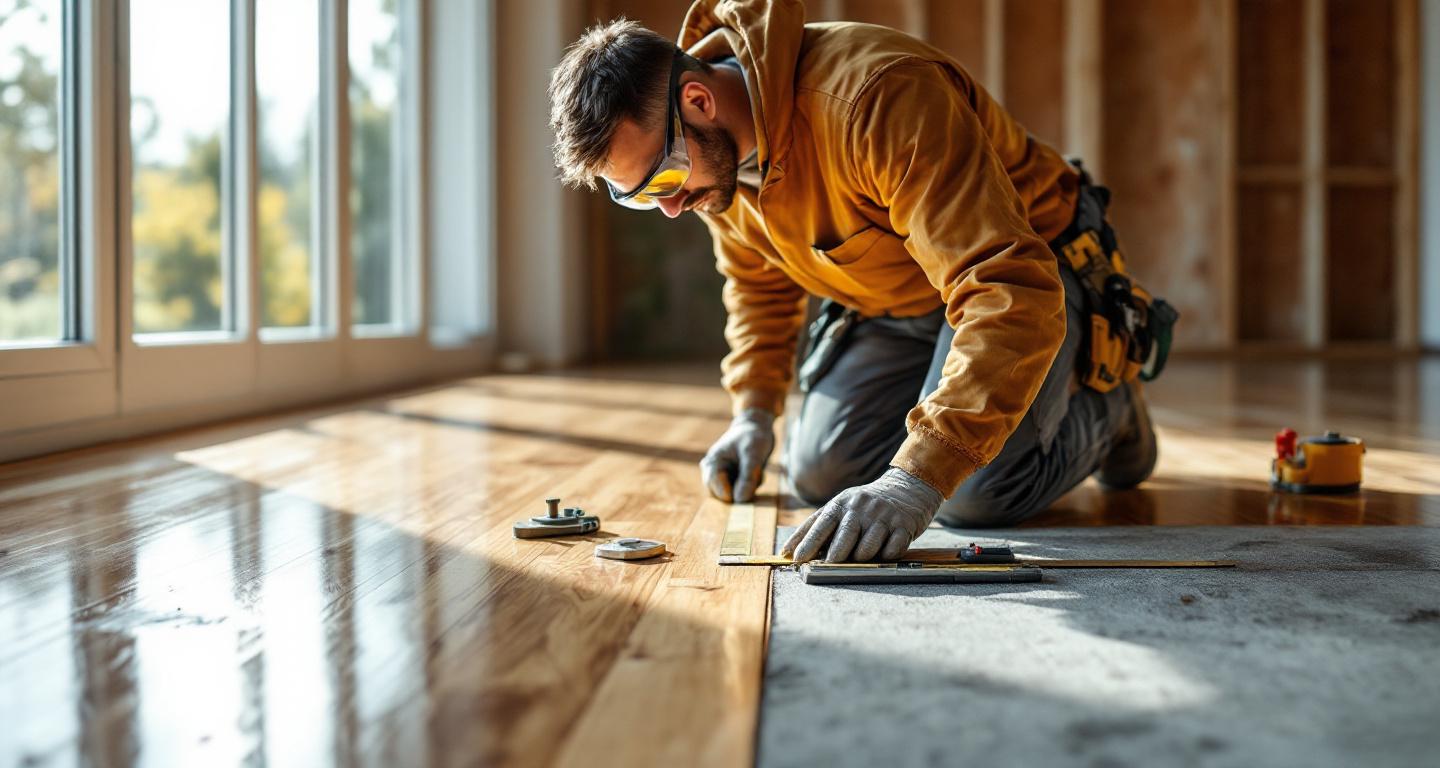
Hire a flooring contractor when your project involves structural changes, expensive materials like hardwood or stone, complex patterns, moisture-prone areas like bathrooms, or when you lack specialized tools and experience with subflooring preparation.
What makes flooring installation more complex than it appears?
Flooring installation looks deceptively simple on home improvement shows, but the reality involves precise measurements, subfloor preparation, moisture barriers, and specialized techniques that vary dramatically by material type. Professional installers understand how different flooring materials expand and contract with temperature changes, how to handle transitions between rooms, and which adhesives work best in specific conditions. They also recognize when subflooring needs repair or reinforcement—issues that aren't apparent until you start the project. The difference between a DIY job and professional installation often becomes obvious within months, when DIY floors start creaking, gaps appear, or tiles begin lifting.
Which projects absolutely require professional expertise?
Certain flooring situations demand professional skills and equipment that go beyond typical DIY capabilities:
- Hardwood installation requiring subfloor leveling or structural modifications—professionals have laser levels and know building codes
- Natural stone or ceramic tile in wet areas like bathrooms—proper waterproofing prevents thousands in water damage
- Intricate patterns like herringbone, chevron, or custom inlays—precision cutting and layout require specialized experience
- Floating floors over concrete that need moisture barriers—improper installation voids warranties and causes buckling
- Stair refinishing or installation—safety requirements and precise measurements make this extremely challenging for DIYers
- Commercial-grade materials requiring specific adhesives and installation techniques not covered in consumer guides
How do you evaluate your own skill level honestly?
Self-assessment starts with honestly evaluating your experience with precision measuring, power tools, and patience for detail work. If you've never used a wet saw, pneumatic nailer, or floor leveling compound, the learning curve can be expensive when practiced on your actual floors. Consider whether you have 2-3 uninterrupted days to complete the project—rushed flooring jobs often result in visible mistakes. Think about your physical capabilities too: flooring installation involves extensive kneeling, lifting, and working in awkward positions. Most importantly, calculate the cost of mistakes. If you're installing expensive materials like engineered hardwood or natural stone, professional installation costs often pale in comparison to replacing ruined materials.
What hidden costs make professional installation worthwhile?
The sticker price of professional installation only tells part of the story when you factor in tool rental, material waste, and time investment. Professional installers buy materials at contractor prices and know exactly how much extra to order, while DIYers often over-purchase or make multiple trips for forgotten supplies. Consider tool costs: a quality wet saw rental runs $50-80 per day, pneumatic nailers cost $40 daily, and you'll need sanders, levels, spacers, and specialized cutting tools. Factor in your time at your hourly wage—most DIY flooring projects take 3-4 times longer than anticipated. Then there's the insurance aspect: professional contractors carry liability coverage for damage, while DIY mistakes come out of your pocket entirely.
Should you tackle this flooring project yourself?
Use this checklist to determine if your project is suitable for DIY:
- Material cost is under $3,000 (limiting potential loss)
- Project covers less than 200 square feet
- You have previous experience with similar materials
- Subfloor is level and in good condition
- No plumbing or electrical work required
- Room is rectangular with minimal cuts needed
- You own or can afford to rent necessary tools
- Timeline is flexible (no deadline pressure)
- Material warranty doesn't require professional installation
When does timing make professional installation essential?
Timing constraints often tip the scales toward professional installation, especially during life transitions like moving, selling your home, or preparing for major events. Real estate agents consistently report that poorly executed DIY flooring can actually decrease home value, while professional installation adds measurable value and appeal to potential buyers. If you're coordinating multiple contractors—painters, electricians, plumbers—professionals can work around each other's schedules more efficiently than coordinating your own DIY timeline. Holiday deadlines, family visits, or returning tenants create pressure that leads to rushed decisions and corner-cutting. Professional installers also handle material delivery timing, acclimation periods, and disposal of old flooring, removing logistical headaches from your schedule.
What red flags indicate you need professional help?
Stop and call professionals if you encounter any of these situations:
- Subfloor feels spongy, squeaks, or shows visible damage or water stains
- Measurements don't add up or rooms are significantly out of square
- You discover asbestos tiles or unknown flooring materials during removal
- Plumbing or electrical lines run under the flooring area
- Height changes require transitions to stairs, other rooms, or exterior doors
- Local building codes require permits or inspections for flooring work
- Your first few pieces don't fit properly despite careful measuring
How do you find flooring contractors you can trust?
The flooring industry has legitimate professionals alongside fly-by-night operators, making contractor selection crucial for project success. Look for contractors who specialize in your specific flooring type—someone who primarily installs carpet may not be the best choice for intricate tile work. Verify licensing and insurance, but also ask to see recent work in person if possible. Quality contractors maintain relationships with suppliers and can often get materials faster and cheaper than retail prices. They should provide detailed written estimates that break down materials, labor, and timeline. Most importantly, they should ask questions about your lifestyle, expectations, and long-term plans rather than simply providing a quote based on square footage.
Frequently Asked Questions
How much does professional flooring installation typically cost?
Professional installation ranges from $3-12 per square foot depending on material complexity, with basic laminate around $3-5, hardwood $6-10, and intricate tile or stone $8-15 per square foot including materials.
Can I save money by removing old flooring myself?
Yes, removing old flooring can save $1-3 per square foot in labor costs. However, ensure proper disposal methods and check for asbestos in homes built before 1980.
How long does professional flooring installation take?
Most residential projects take 1-3 days depending on square footage and complexity. Hardwood needs additional time for acclimation, while tile requires curing time before use.
Do I need permits for flooring installation?
Most flooring replacements don't require permits, but structural changes, raising floor heights significantly, or work affecting load-bearing elements might. Check local building codes to be sure.
What should I do before flooring contractors arrive?
Remove furniture and belongings, ensure clear access to work areas, arrange for pet care during installation, and confirm material delivery timing with your contractor beforehand.
How do I know if my subfloor needs professional attention?
Signs include squeaking, soft spots, visible water damage, uneven surfaces, or gaps between subfloor panels. These issues require professional assessment and repair before new flooring installation.
Find Trusted Flooring Professionals
Skip the guesswork of finding reliable flooring contractors. Tools like Linked By Six automatically show you which local flooring professionals your friends and colleagues have used and trusted—giving you vetted recommendations without the awkward conversations.
Knowing when to hire a flooring contractor versus tackling installation yourself comes down to honestly assessing project complexity, your skill level, and the consequences of mistakes. While simple projects like basic laminate in small, square rooms might suit experienced DIYers, complex installations involving expensive materials, structural changes, or moisture-prone areas warrant professional expertise. The key is recognizing that quality flooring installation affects your home's value, comfort, and functionality for decades. When in doubt, the cost of professional installation often proves worthwhile compared to redoing failed DIY attempts or living with subpar results.