
When Cosmetic Damage Becomes a Structural Concern
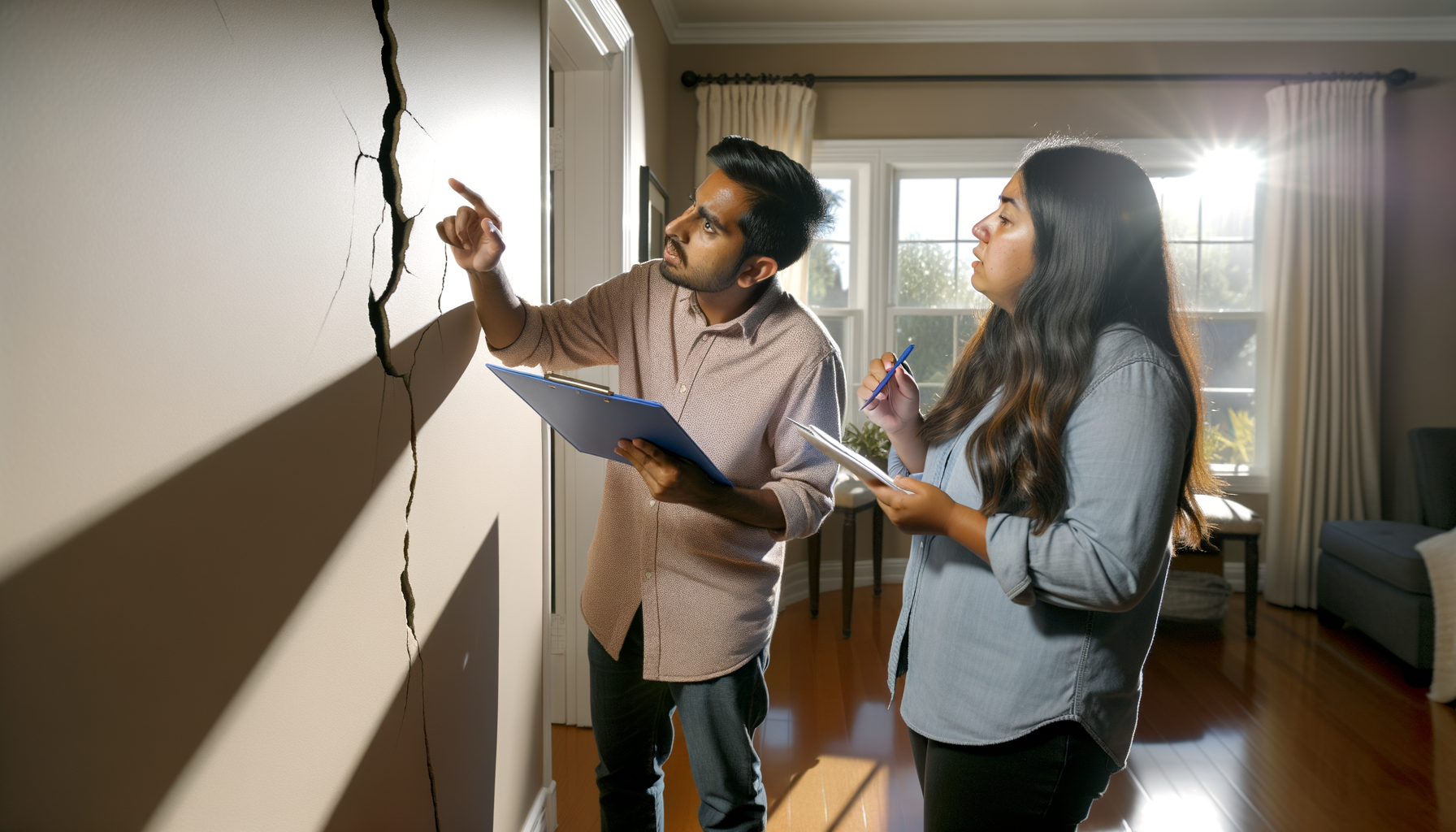
Cosmetic damage becomes structural when cracks exceed 1/4 inch, doors stick repeatedly, floors sag visibly, or damage appears suddenly after weather events. These signs indicate foundation settling, water damage, or load-bearing issues requiring immediate professional evaluation.
How Do You Know When Surface Damage Runs Deeper?
The difference between cosmetic and structural damage often lies in patterns, progression, and location. Cosmetic damage typically affects only surface materials and remains stable over time. Structural damage, however, indicates problems with your home's foundation, framing, or load-bearing elements. Understanding these distinctions can save you thousands in repairs and protect your family's safety. Professional inspectors look for specific warning signs that homeowners might dismiss as minor aesthetic issues. The key is recognizing when damage tells a story about deeper problems affecting your home's integrity.
What Are the Critical Warning Signs to Watch For?
These warning signs indicate potential structural issues that require immediate professional attention:
- Cracks wider than 1/4 inch or those that grow over time
- Horizontal cracks in foundation walls or basement areas
- Doors and windows that suddenly stick or won't close properly
- Gaps appearing between walls and ceilings or floors
- Floors that feel bouncy, sag, or slope noticeably
- Stair-step cracks in brick or masonry walls
- Water damage that keeps recurring in the same location
Why Do Foundation Issues Start as Cosmetic Problems?
Foundation problems rarely announce themselves dramatically. Instead, they begin as subtle signs that many homeowners attribute to normal settling or aging. Small cracks in drywall above doorways, slight gaps where trim meets walls, or doors that require an extra push to close properly often represent the first visible signs of foundation movement. Soil conditions, water drainage issues, and temperature fluctuations cause foundations to shift gradually. These movements create stress throughout your home's structure, manifesting first as seemingly minor cosmetic issues. Recognizing these early warning signs allows you to address problems before they become catastrophic and expensive. Professional foundation specialists can assess whether these symptoms indicate normal settling or active structural problems requiring intervention.
How Should You Document and Assess Damage?
Follow these steps to properly evaluate potential structural damage:
- Photograph all cracks, gaps, and damage with a coin or ruler for scale reference
- Mark crack endpoints with pencil and date them to monitor growth over time
- Test doors and windows throughout your home, noting which ones stick or bind
- Walk through each room checking for floor slopes using a marble or level
- Document when damage first appeared and any recent changes in severity
- Note any correlation between weather events and damage appearance or worsening
What Role Does Water Play in Structural Damage?
Water damage often bridges the gap between cosmetic and structural problems. What begins as a small roof leak or minor basement seepage can quickly compromise wooden framing, cause metal fasteners to rust, or undermine foundation stability. Water stains on ceilings or walls frequently indicate ongoing moisture intrusion that affects structural elements you cannot see. Repeated wet-dry cycles cause wood to expand and contract, loosening joints and creating movement throughout your home's frame. In basements, water infiltration can wash away soil supporting foundation walls, leading to settling and cracking. Mold growth from persistent moisture can also compromise indoor air quality and weaken organic building materials. Any water damage that recurs or spreads should be evaluated for potential structural implications by qualified professionals who can assess hidden damage.
Essential Questions to Ask Any Structural Inspector
Use this checklist when consulting with structural engineers or home inspectors:
- Is this damage actively progressing or stable?
- What specific structural elements are affected?
- How urgent is the needed repair timeline?
- What happens if repairs are delayed?
- Are there safety concerns for occupants?
- Will homeowner's insurance potentially cover this damage?
- What preventive measures can avoid future problems?
- Should I get a second opinion or additional testing?
When Should You Stop DIY and Call Professionals?
Certain types of damage should never be treated as DIY projects, regardless of how minor they initially appear. Any crack that you can insert a coin into, damage that has grown noticeably over weeks or months, or problems affecting multiple areas of your home simultaneously require professional evaluation. Structural repairs done incorrectly can create safety hazards and potentially void your homeowner's insurance coverage. Professional structural engineers, foundation specialists, and certified home inspectors have tools and expertise to assess damage properly and recommend appropriate solutions. They can also provide documentation necessary for insurance claims or future home sales. The cost of professional evaluation is minimal compared to the potential consequences of ignoring serious structural issues or attempting inadequate repairs.
I've seen too many homeowners dismiss obvious warning signs as 'just cosmetic' until their foundation repair bill reached five figures. Early professional assessment almost always saves money and prevents safety hazards.
Mike Rodriguez, Certified Structural Engineer with 20 years experience
How Can You Prevent Cosmetic Issues from Becoming Structural?
Prevention focuses on maintaining your home's systems and addressing small problems before they escalate. Regular maintenance of gutters, downspouts, and drainage systems prevents water from undermining your foundation. Monitoring and controlling indoor humidity levels protects wooden framing elements from moisture-related expansion and contraction. Annual professional inspections can identify potential problems while they remain manageable and affordable to fix. Addressing plumbing leaks immediately prevents water damage from spreading to structural components. Proper ventilation in basements, crawl spaces, and attics prevents moisture buildup that can compromise structural integrity over time. Simple seasonal maintenance tasks like caulking gaps, cleaning drainage systems, and monitoring for new cracks can preserve your home's structural integrity for decades.
Frequently Asked Questions
How wide does a crack need to be before it's considered structural?
Cracks wider than 1/4 inch typically indicate potential structural issues requiring professional evaluation. However, even smaller cracks that grow over time or appear in specific patterns can signal structural problems.
Can I fix structural damage myself to save money?
Never attempt DIY repairs on structural damage. Improper repairs can create safety hazards, void insurance coverage, and make problems worse. Always consult qualified structural engineers or contractors for proper assessment and repair.
Will homeowner's insurance cover structural damage repairs?
Coverage depends on the cause of damage and your specific policy. Sudden damage from covered perils like storms may be covered, while gradual settling or maintenance-related issues typically aren't. Document everything and consult your insurer promptly.
How quickly do I need to address potential structural problems?
Address structural concerns immediately for safety. While some issues develop slowly, others can progress rapidly and create dangerous conditions. Professional evaluation helps determine urgency and appropriate repair timelines for your specific situation.
What's the difference between settling and structural damage?
Normal settling occurs gradually over years and stabilizes, creating minor cosmetic cracks. Structural damage involves active movement, growing cracks, or problems affecting your home's load-bearing capacity requiring professional intervention and repair.
Should I get multiple opinions for structural damage assessment?
Yes, especially for expensive repairs or safety-critical issues. Different professionals may offer varying perspectives on repair methods, urgency, and costs. Multiple opinions help ensure you receive accurate diagnosis and appropriate solutions.
Find Trusted Structural Professionals
Don't let cosmetic damage become a costly structural nightmare. Tools like Linked By Six help you discover which structural engineers, contractors, and home inspectors your neighbors and colleagues have actually used and trusted—giving you confidence before making this critical decision.
The line between cosmetic and structural damage isn't always obvious, but the consequences of misidentifying serious problems can be severe. Trust your instincts when damage appears suddenly, grows over time, or affects your home's functionality. Professional evaluation provides peace of mind and often prevents minor issues from becoming major expenses. Remember that your home's structure is its foundation for safety and value—investing in proper assessment and timely repairs protects both your family and your financial investment. When in doubt, consulting qualified professionals ensures you make informed decisions about your home's integrity and your family's safety.