
Essential HVAC Tracking: What to Monitor Between Visits
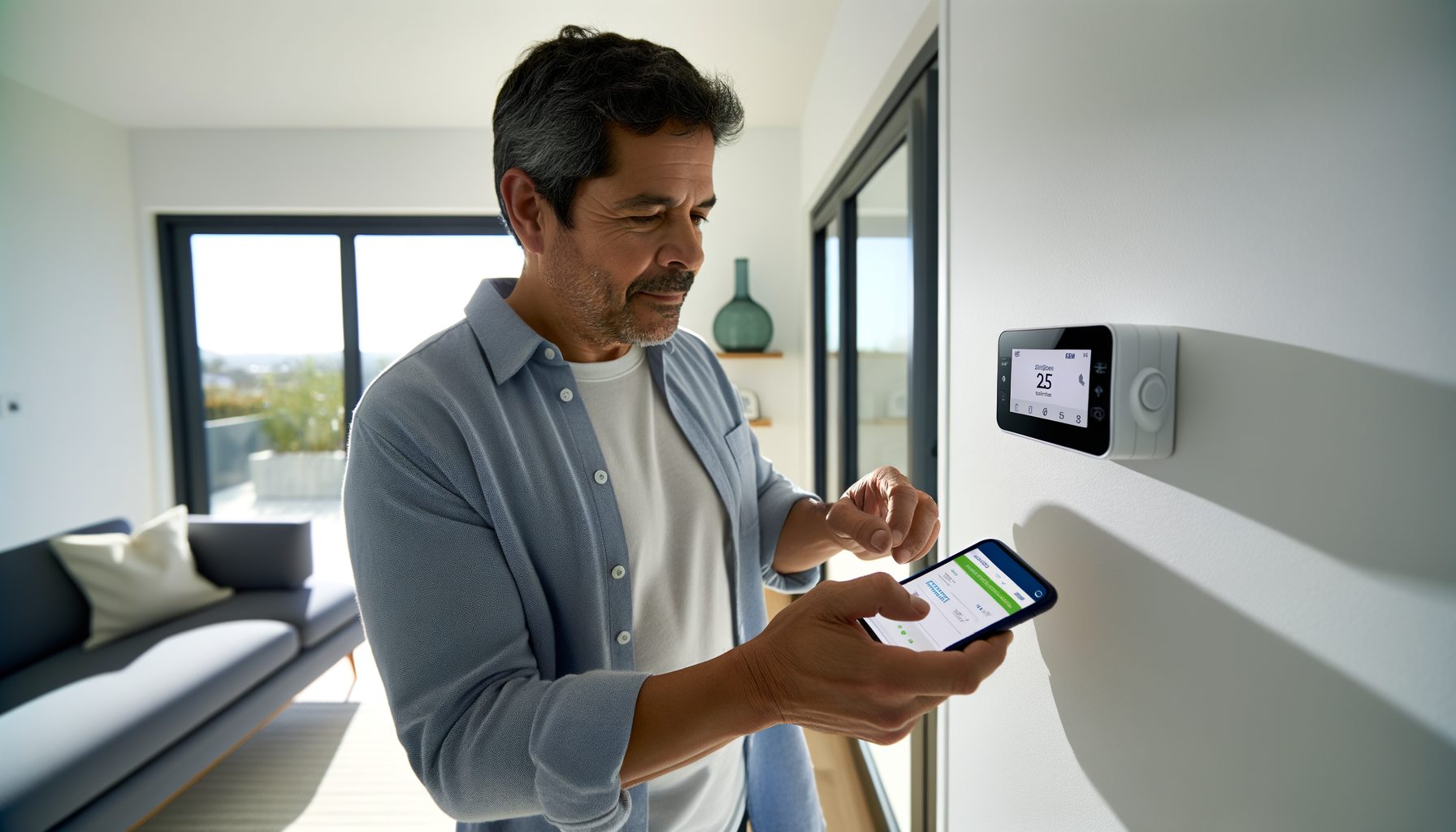
Track your HVAC system's temperature consistency, energy usage patterns, filter condition, unusual sounds or odors, humidity levels, and airflow strength between professional visits. This monitoring helps identify issues early, prevents costly repairs, and ensures peak system efficiency year-round.
Why Should You Monitor Your HVAC System Between Service Calls?
Your HVAC system runs thousands of hours annually, but most homeowners only think about it during bi-annual maintenance visits. This gap in attention can lead to expensive surprises and uncomfortable living conditions. Professional technicians spend maybe two hours per year with your system, but you live with it every day. By tracking key performance indicators between visits, you become your system's early warning system. Small changes in performance often signal developing problems that are much cheaper to fix when caught early. A filter that's getting dirty or a duct that's starting to leak might not cause immediate failure, but ignoring these signs can lead to compressor damage or complete system breakdown. Your daily observations provide valuable data that helps technicians diagnose issues more quickly and accurately during their next visit.
What Temperature Patterns Should You Track?
Temperature inconsistencies are often the first sign of HVAC problems. Monitor these key temperature indicators:
- Room-to-room temperature variations greater than 3-4 degrees
- Time it takes to reach your thermostat setting (should be consistent)
- Frequent cycling on and off, especially short cycles under 10 minutes
- Inability to maintain set temperature during extreme weather
- Hot or cold spots that develop in previously comfortable areas
- Temperature swings throughout the day in the same room
How Do You Monitor Energy Usage Effectively?
Your energy bills tell a detailed story about your HVAC system's health and efficiency. Start by comparing monthly usage to the same period last year, accounting for weather differences. A sudden 15-20% increase without corresponding weather changes often indicates developing problems. Many utility companies provide online tools that show daily usage patterns, helping you spot unusual spikes. Smart thermostats and whole-home energy monitors can provide even more detailed insights, showing exactly when and how much energy your HVAC system consumes. Look for patterns like higher than normal usage during mild weather, or systems that seem to run constantly without achieving comfort. Track your cost per degree of heating or cooling by dividing your monthly bill by the total degree days. This metric helps you understand your system's efficiency over time and compare performance across seasons.
What Should You Check Monthly?
- Inspect and photograph air filter condition
- Check all vents and returns for blockages
- Test thermostat accuracy with a separate thermometer
- Listen for unusual sounds during startup and operation
- Check outdoor unit for debris, vegetation, or damage
- Verify all vents are opening and closing properly
- Monitor humidity levels in different rooms
- Check for any new odors when system starts
What Sounds and Smells Indicate Potential Problems?
Your HVAC system's sounds and smells provide critical diagnostic information. Normal operation should be relatively quiet with consistent fan noise and occasional clicks as the system cycles. New or changing sounds often signal developing problems. Grinding or scraping noises might indicate motor bearing problems. Rattling could mean loose components or debris in the system. High-pitched squealing often points to belt or bearing issues. Banging or clanking during startup suggests problems with the blower assembly or ductwork. Document when these sounds occur, their intensity, and duration. Unusual odors are equally important warning signs. Musty smells might indicate mold growth in ductwork or around the indoor unit. Burning odors could signal electrical problems or overheating components. Sweet or chemical smells might indicate refrigerant leaks. Any persistent unusual smell warrants immediate attention, as some can indicate safety hazards.
How Should You Track Airflow and Humidity?
Proper airflow and humidity control are essential for comfort and system efficiency. Follow these steps to monitor both:
- Use a simple tissue test at each vent monthly - tissue should be drawn firmly against the vent opening
- Compare airflow strength between different rooms and note any significant differences
- Monitor humidity levels with a digital hygrometer, aiming for 30-50% relative humidity
- Check for condensation around vents, windows, or the indoor unit that wasn't there before
- Note any rooms that feel stuffier or more humid than others
- Track seasonal humidity patterns to identify when your system struggles to control moisture
What Technology Can Help With Monitoring?
Modern technology makes HVAC monitoring easier and more accurate than ever. Smart thermostats provide detailed runtime data, temperature logs, and efficiency reports. Many models send alerts when filters need changing or when unusual patterns are detected. Whole-home energy monitors can isolate HVAC energy usage from other appliances, giving you precise consumption data. Some systems integrate with utility smart meters to provide real-time usage information. Wireless sensors placed throughout your home can identify hot and cold spots, helping you understand airflow patterns and system performance. Many newer HVAC systems include built-in diagnostics that can alert you to potential problems before they cause failures. Even simple tools like digital thermometers and humidity gauges can provide valuable baseline data. The key is choosing tools that match your technical comfort level and consistently using them to gather meaningful data.
When Should You Contact Your HVAC Professional?
Knowing when your observations warrant professional attention can save money and prevent system damage. Contact your technician immediately for burning smells, electrical odors, or any sounds that suggest metal-on-metal contact. Refrigerant leaks, indicated by hissing sounds or sweet chemical odors, require prompt attention. Performance issues like inability to maintain temperature, dramatic increases in energy usage, or complete loss of heating or cooling also need immediate professional diagnosis. For less urgent concerns, document patterns over a few weeks before calling. Gradually declining performance, slowly increasing energy usage, or minor comfort issues might be addressed during your next scheduled maintenance visit. However, don't wait if problems are worsening or affecting your family's comfort and health. Your monitoring data helps technicians diagnose problems more efficiently, potentially saving on service call costs. A well-documented history of system performance is invaluable for warranty claims and helps establish patterns that might not be obvious during a single service visit.
Frequently Asked Questions
How often should I check my HVAC filter between professional visits?
Check your HVAC filter monthly, especially during peak usage seasons. Filters typically need replacement every 1-3 months depending on usage, home occupancy, pets, and air quality. Visual inspection helps you learn your system's specific patterns.
What's considered a normal temperature difference between rooms?
Temperature variations of 2-3 degrees between rooms are normal. Differences greater than 4-5 degrees often indicate airflow problems, ductwork issues, or system imbalances that should be addressed by a professional technician.
Should I be concerned about short cycling of my HVAC system?
Yes, frequent short cycles (less than 10 minutes) can indicate oversized equipment, thermostat problems, or airflow restrictions. This reduces efficiency and increases wear. Document the frequency and duration for your technician.
How much can energy bills increase before it indicates a problem?
Sudden increases of 15-20% compared to similar weather periods from previous years often signal developing problems. Gradual increases might indicate normal aging, but dramatic spikes warrant professional investigation to prevent costly repairs.
What smartphone apps can help track HVAC performance?
Many utility companies offer energy tracking apps, and smart thermostat manufacturers provide detailed system monitoring through their apps. Simple note-taking apps can also effectively track observations, temperatures, and maintenance dates for easy reference.
Is it normal for humidity levels to fluctuate throughout the day?
Some daily humidity fluctuation is normal, but consistent patterns of excessive humidity or overly dry air indicate system problems. Ideal indoor humidity ranges from 30-50%. Persistent issues suggest your system needs professional attention or adjustment.
Find a Trusted HVAC Professional
When your monitoring reveals potential issues, you need a reliable HVAC technician you can trust. Tools like Linked By Six automatically show you which local HVAC professionals your friends and neighbors already trust—giving you confidence before you even make the call.
Monitoring your HVAC system between professional visits transforms you from a passive homeowner into an active partner in system maintenance. By tracking temperature patterns, energy usage, filter condition, unusual sounds and smells, airflow, and humidity levels, you create an early warning system that can prevent costly repairs and ensure consistent comfort. The key is consistency—make monitoring part of your monthly home maintenance routine. Your observations provide valuable data that helps technicians diagnose problems more quickly and accurately, potentially saving you money on service calls and preventing minor issues from becoming major failures. Remember that you know your home's normal patterns better than anyone, making you the ideal person to spot when something changes. With the right monitoring approach and a trusted HVAC professional, you can keep your system running efficiently for years to come.