
Essential Dog Care Tracking Between Grooming Visits
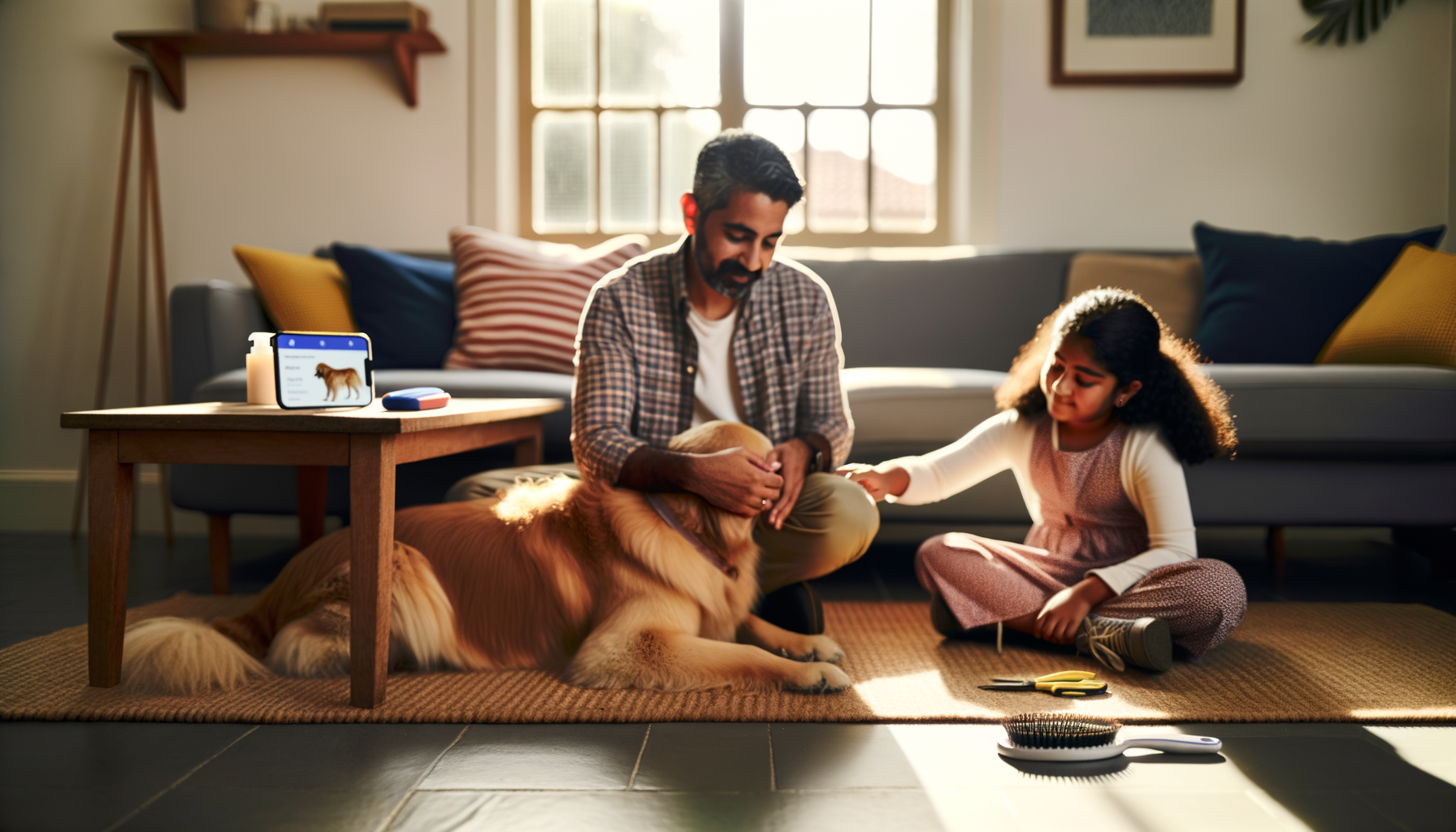
Pet owners should track coat condition, skin health, nail length, ear cleanliness, dental hygiene, and behavioral changes between grooming visits. This monitoring helps identify issues early, extends grooming results, and provides valuable information for professional groomers to deliver better care.
Why Does Tracking Matter Between Grooming Visits?
Regular monitoring between grooming appointments transforms you from a passive pet owner into an active partner in your dog's health journey. Professional groomers see your pet for a few hours every 4-8 weeks, but you live with them daily. Your observations provide crucial insights that help groomers tailor their services and catch potential health issues before they become serious problems. When you track specific indicators, you're essentially creating a health diary that professional groomers can use to provide more personalized care. This collaborative approach often results in better grooming outcomes, early detection of skin conditions, and a stronger relationship between your pet and their groomer. Many pet owners discover that tracking also helps them better understand their dog's normal patterns, making it easier to spot when something seems off.
What Coat Conditions Should You Monitor?
Your dog's coat tells a story about their overall health and how well the previous grooming session is holding up. Pay attention to these key indicators:
- Matting patterns - Note where tangles form first (usually behind ears, under legs, or around the collar area)
- Coat texture changes - Watch for unusual dryness, oiliness, or loss of shine that might indicate skin issues
- Shedding patterns - Track if shedding increases significantly or changes in character
- Debris accumulation - Monitor how quickly dirt, leaves, or other materials collect in the fur
- Color changes - Look for any unusual discoloration that might signal skin problems or environmental factors
- Growth rate variations - Notice if hair grows faster in certain areas, which might affect grooming timing
How Do You Assess Skin Health Changes?
Skin health directly impacts grooming success and your pet's comfort level. During your regular petting sessions, run your hands systematically over your dog's body, feeling for any changes in texture, temperature, or unusual bumps. Look for redness, flaking, or areas where your dog seems particularly itchy. Hot spots can develop quickly between grooming visits, and early detection allows for faster treatment. Pay special attention to areas that tend to trap moisture, like skin folds or areas where the legs meet the body. Environmental allergies often show up as seasonal skin changes, so tracking these patterns helps your groomer adjust their products and techniques accordingly. Document any new moles, lumps, or skin tags, as groomers need to know about these to avoid accidental injury during the grooming process.
Weekly Grooming Maintenance Checklist
- Brush coat thoroughly, noting any new mat formation
- Check ears for odor, discharge, or excessive wax buildup
- Examine nails for length and any splitting or damage
- Inspect teeth and gums for tartar buildup or inflammation
- Look for any new skin irritations or unusual spots
- Test your dog's comfort level with handling (feet, mouth, ears)
- Note any changes in scratching or licking behaviors
- Check that previous grooming styles are maintaining their shape
When Should Nail Care Be a Priority?
Nail length affects your dog's comfort, posture, and the success of their next grooming appointment. Most dogs need nail trims every 2-4 weeks, but growth rates vary significantly based on activity level, age, and genetics. Listen for clicking sounds when your dog walks on hard surfaces - this usually indicates nails are getting too long. Watch how your dog walks; overgrown nails can cause them to adjust their gait, potentially leading to joint issues. Some dogs have fast-growing dewclaws that need attention more frequently than other nails. If you notice any splitting, cracking, or ingrown nails, these issues should be addressed before the next grooming appointment. Regular nail monitoring also helps you communicate with your groomer about your dog's tolerance level for nail trimming and whether any special techniques or additional time might be needed.
What Ear and Dental Signs Need Attention?
Ear and dental health can deteriorate quickly between grooming visits, especially in dogs with floppy ears or those prone to dental issues. Check ears weekly for any unusual odor, which often indicates bacterial or yeast infections brewing. Healthy ears should be pink and relatively odor-free, with minimal wax buildup. Excessive scratching at ears or head shaking can signal problems developing. For dental health, monitor breath odor, which naturally worsens but shouldn't become overwhelmingly offensive. Look at the gum line for redness, swelling, or recession. Tartar buildup appears as brown or yellow deposits on teeth, typically starting near the gum line. Some dogs develop dental issues that require professional cleaning between grooming appointments, so early detection saves discomfort and expense. Many groomers offer ear cleaning and basic dental care, but they need to know about existing issues to provide appropriate care.
How to Create an Effective Tracking System?
- Choose your method - Use a smartphone app, simple notebook, or calendar system that you'll actually use consistently
- Establish a routine - Pick the same day each week for thorough examination and documentation
- Use consistent terminology - Develop a simple rating system (1-5 scale) for coat condition, cleanliness, and comfort levels
- Take reference photos - Capture images that show coat length, style retention, and any problem areas
- Note environmental factors - Record activities, weather conditions, or seasonal changes that might affect grooming needs
- Track behavioral changes - Document any increased scratching, licking, or discomfort that might indicate developing issues
- Prepare summary notes - Before each grooming appointment, review your tracking and highlight key points to discuss
What Behavioral Changes Signal Grooming Needs?
Your dog's behavior often provides the earliest warning signs that grooming maintenance is needed. Increased scratching, especially in specific areas, might indicate matting, skin irritation, or the need for a nail trim. Excessive licking of paws could signal overgrown hair between toe pads or nail issues. Changes in activity level sometimes relate to grooming needs - dogs with overgrown nails might become less active, while those with matted coats might seem uncomfortable or reluctant to be petted in certain areas. Pay attention to your dog's reaction during your regular handling and petting. If they suddenly become sensitive about having their ears touched or feet handled, this information helps your groomer prepare appropriate techniques and tools. Dogs often become more clingy or seek extra attention when they're uncomfortable due to grooming-related issues, so behavioral changes shouldn't be overlooked as mere personality shifts.
How Does Seasonal Tracking Improve Grooming Outcomes?
Seasonal patterns significantly impact your dog's grooming needs and tracking these changes helps optimize appointment timing and services. Spring often brings increased shedding and potential allergen exposure, while summer might require more frequent nail trims due to increased activity on hard surfaces. Fall typically means more debris in coats from outdoor activities, and winter can bring dry skin issues from heated indoor environments. By tracking these seasonal patterns over time, you develop insights that help your groomer anticipate needs and adjust their approach accordingly. Some dogs need shorter grooming intervals during heavy shedding seasons, while others might benefit from different shampoo formulations during dry winter months. Weather-related tracking also helps identify if your dog's coat style needs seasonal adjustments for comfort and practicality. This long-term perspective transforms grooming from a routine service into a customized care program that evolves with your pet's changing needs throughout the year.
Frequently Asked Questions
How often should I examine my dog between grooming visits?
Conduct thorough weekly examinations, but do daily quick checks during regular petting and interaction. This frequency helps catch issues early while maintaining a routine your dog becomes comfortable with.
What's the best way to document changes I notice?
Use a combination of written notes and photos taken in consistent lighting. Simple rating systems (1-5 scales) for coat condition and comfort levels work well for tracking trends over time.
Should I try to fix grooming issues myself between appointments?
Stick to basic maintenance like brushing and minor cleanup. Leave mat removal, significant trimming, and nail cutting to professionals unless you have proper training and tools to avoid injury.
When should tracking indicate an earlier grooming appointment?
Schedule earlier appointments if you notice skin irritation, significant matting, overgrown nails affecting walking, persistent odors, or any signs of discomfort that regular maintenance isn't addressing.
How do I communicate tracking information effectively to my groomer?
Prepare a brief summary highlighting key changes, bring reference photos, and mention any new sensitivities or behavioral changes. Most groomers appreciate clients who actively monitor their pets' condition.
What tracking information is most valuable for professional groomers?
Groomers value information about mat formation patterns, skin sensitivities, behavioral changes during handling, nail growth rates, and any areas where your dog seems uncomfortable or sensitive.
Find Trusted Pet Care Professionals
Finding a groomer who values your input and works collaboratively with pet owners makes all the difference in your dog's care experience. Tools like Linked By Six help you discover which local groomers and veterinarians your friends and neighbors already trust, giving you confidence in your choice before that first appointment.
Effective tracking between grooming visits transforms you into an active partner in your pet's health and comfort. By monitoring coat condition, skin health, nail growth, and behavioral changes, you provide valuable insights that help professional groomers deliver more personalized care. The key is developing a consistent routine that fits your lifestyle while focusing on the indicators that matter most for your dog's specific needs. Remember that tracking isn't about becoming a professional groomer yourself, but rather about being an informed advocate for your pet's wellbeing. When you combine your daily observations with professional grooming expertise, you create the ideal environment for your dog's long-term health and happiness.