
Essential Tracking After Vehicle Restoration: Complete Guide
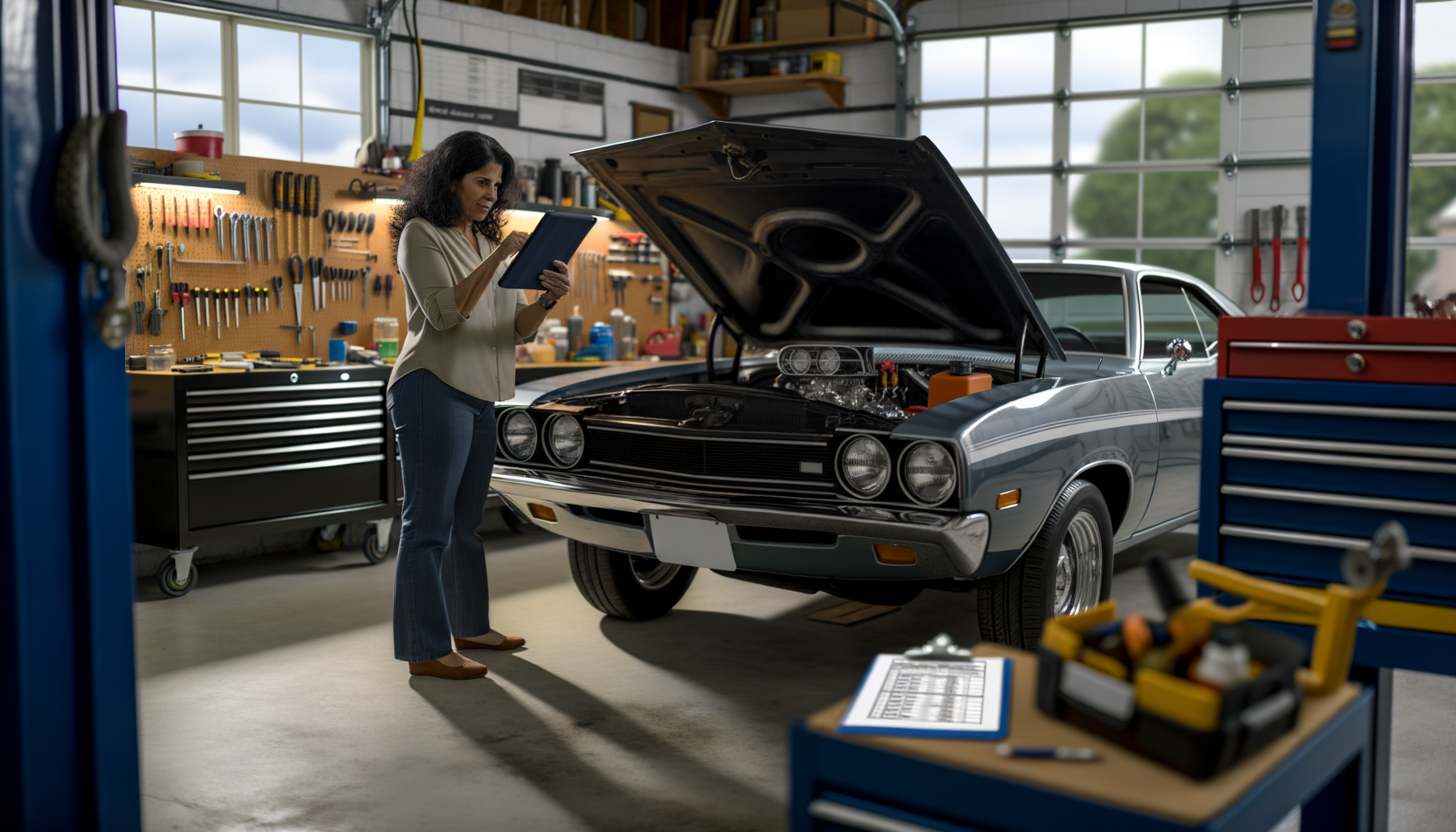
After major vehicle restoration, track break-in mileage, fluid changes, component adjustments, performance metrics, warranty periods, and maintenance schedules. Proper documentation protects your investment and ensures optimal performance of newly restored systems and parts.
Why Is Post-Restoration Tracking Critical?
Your restored vehicle represents a significant investment of time and money, but the work doesn't end when you drive it home. The first few months and miles are crucial for ensuring all systems integrate properly and reach their optimal performance levels. Unlike daily drivers with established maintenance patterns, restored vehicles need careful monitoring as new components settle in, break-in periods are completed, and potential issues are identified early. Proper tracking transforms your restoration from a one-time project into a well-maintained asset that preserves and potentially increases in value over time.
What Should You Document During Break-In Period?
The initial break-in period is critical for newly restored or rebuilt components. Your documentation should capture:
- Engine break-in mileage and RPM limits - typically first 500-1000 miles with specific rev restrictions
- Transmission shifting quality and fluid temperatures during various driving conditions
- Brake performance and pedal feel as new pads and rotors properly seat together
- Suspension settling and alignment changes as components adjust to road forces
- Electrical system stability including charging rates and accessory function consistency
- Paint and body panel alignment as materials expand and contract through temperature cycles
How Do You Track Fluid Changes and System Health?
Restored vehicles often require more frequent fluid changes initially as systems flush out assembly residues and components properly seat. Create a detailed log tracking engine oil changes, which may be needed at 200, 500, and 1000 miles during break-in. Monitor transmission fluid color and smell for signs of overheating or contamination. Track coolant levels and temperatures to ensure the cooling system is properly bled and functioning efficiently. Document brake fluid quality and pedal feel, as new brake components often introduce air into the system. Keep records of differential oil changes and gear noise levels, particularly important for rebuilt rear ends.
Essential Performance Metrics to Monitor
- Engine operating temperatures during various driving conditions
- Oil pressure readings at idle and under load
- Fuel consumption and mixture quality indicators
- Charging system voltage and amperage output
- Braking distances and pedal travel measurements
- Alignment specs and tire wear patterns
- Exhaust emissions levels and backpressure readings
- Torque specifications for critical fasteners
- Paint thickness and finish quality assessments
What Component Adjustments Require Documentation?
Newly restored vehicles typically require multiple adjustments as components settle and systems reach equilibrium. Track carburetor tuning changes including jet sizes, float levels, and mixture adjustments as the engine completes its break-in cycle. Document valve adjustments, timing changes, and ignition tuning modifications. Record suspension alignment settings and ride height measurements, as new springs and bushings often require readjustment after initial settling. Note any body panel gaps or door alignments that may shift as the vehicle experiences temperature cycles and road vibrations.
How Should You Track Warranty and Service Intervals?
Professional restoration shops typically provide warranties on their work, but these often have specific requirements for maintenance and documentation. Create a calendar tracking warranty expiration dates for different components and systems. Document required service intervals to maintain warranty coverage, including oil changes, inspections, and adjustment periods. Keep detailed records of who performed each service and what specific procedures were completed. This documentation becomes invaluable if warranty claims arise or if you need to prove proper maintenance for insurance purposes.
What Long-Term Maintenance Patterns Should You Establish?
After the initial break-in period, establish ongoing maintenance tracking systems:
- Seasonal preparation checklists for storage and recommissioning procedures
- Annual inspection schedules covering safety and performance systems
- Preventive maintenance calendars based on time and mileage intervals
- Parts inventory tracking for consumables and replacement components
- Service provider records including specialist contacts and their areas of expertise
- Insurance documentation updates reflecting restoration improvements and current valuations
How Do You Document Value and Investment Protection?
Your restoration tracking serves as crucial documentation for insurance, resale, or estate planning purposes. Photograph all work completed and maintain receipts for parts and services. Document the condition and authenticity of components, including serial numbers and date codes where applicable. Track any modifications or upgrades that deviate from original specifications. Maintain detailed cost records showing the total investment in the restoration, broken down by category such as engine, transmission, paint, interior, and chrome. This documentation helps establish value for insurance purposes and provides transparency for future owners.
What Technology Tools Can Simplify Tracking?
Modern technology offers numerous ways to streamline restoration tracking without losing the personal connection to your vehicle. Smartphone apps can store photos, maintenance records, and service reminders in organized, searchable formats. Cloud storage ensures your documentation survives computer crashes or phone replacements. Spreadsheet templates can calculate maintenance intervals, track expenses, and generate reports for insurance or resale purposes. However, many owners find that simple paper logbooks kept in the vehicle provide the most reliable and accessible tracking method for regular use.
The owners who get the most enjoyment and value from their restored vehicles are those who view documentation as part of the ownership experience, not a chore. Your tracking records become part of the car's history and story.
Randy Martinez, Certified Master Automotive Technician
Frequently Asked Questions
How often should I check fluid levels after restoration?
Check all fluid levels weekly for the first month, then bi-weekly for three months. New seals and gaskets may weep initially, and fluid levels help identify potential issues early.
What's the most important thing to track during engine break-in?
Monitor engine oil condition and change intervals closely. Fresh rebuild engines produce metal particles and assembly residues that contaminate oil quickly during initial operation.
Should I track every small adjustment made to my restored car?
Yes, document all adjustments including carburetor tuning, timing changes, and suspension settings. These records help you understand what works best for your specific vehicle.
How long should I maintain detailed restoration tracking?
Continue detailed tracking for at least the first year or 5,000 miles, then transition to standard maintenance intervals while preserving all initial documentation permanently.
Do I need professional inspections after restoration work?
Yes, schedule professional inspections at 500 and 2,000 miles to catch issues early. Independent verification also provides valuable documentation for warranty and insurance purposes.
What happens if I don't properly document post-restoration maintenance?
Poor documentation can void warranties, complicate insurance claims, reduce resale value, and make it difficult to identify patterns when problems develop over time.
Find Trusted Restoration Specialists
Need ongoing support for your restored vehicle? Tools like Linked By Six help you discover which restoration shops and specialty mechanics your fellow enthusiasts trust—connecting you with proven experts who understand the unique needs of restored vehicles.
Proper tracking after vehicle restoration transforms your investment from a completed project into a well-maintained asset. The documentation you create during the critical first months establishes patterns that will serve you throughout your ownership experience. From break-in procedures to long-term maintenance schedules, every detail you record helps preserve both the vehicle's condition and its value. Remember that restoration is not just about returning a vehicle to its former glory—it's about creating a reliable, enjoyable driving experience that can be maintained for years to come. Your tracking efforts today become the foundation for confident ownership and the preserved history that future caretakers will appreciate.