
Essential HVAC Post-Installation Review Checklist
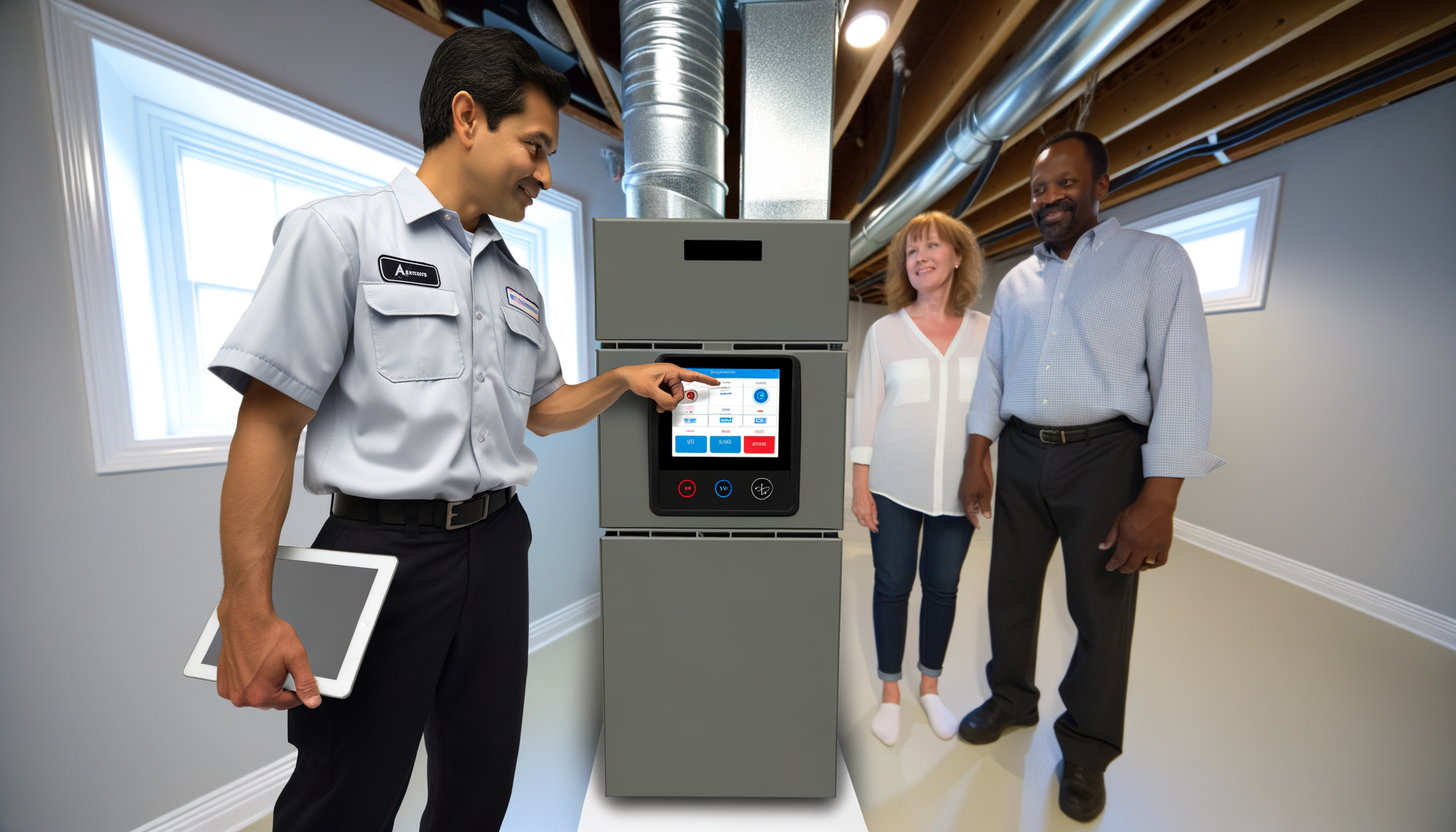
After HVAC installation, review system operation, airflow quality, thermostat programming, warranty documentation, maintenance schedules, and energy efficiency performance. Verify proper clearances, test all zones, confirm permits are closed, and ensure you understand system controls before the installer leaves.
Why Is a Post-Installation Review Critical?
Your HVAC installation represents a significant investment, often ranging from $5,000 to $15,000 or more. The moments immediately after installation are crucial for ensuring you receive the quality and performance you paid for. A thorough post-installation review protects your warranty, identifies potential issues before they become costly problems, and ensures your system operates at peak efficiency from day one. Many homeowners skip this step, only to discover problems months later when warranty claims become complicated and seasonal demands stress an improperly configured system. Taking time for a comprehensive review establishes the foundation for years of reliable comfort.
System Operation and Performance Check
Test these essential functions with your installer present:
- System starts and stops properly at thermostat commands
- Heating and cooling modes both function correctly
- Air flows from all vents with appropriate pressure
- No unusual noises, vibrations, or odors during operation
- Temperature reaches set points within reasonable timeframes
- Humidity levels feel comfortable and consistent
- System cycles on and off at appropriate intervals
What Documentation Should You Receive?
Proper documentation protects your investment and ensures compliance with local codes. You should receive original warranty cards for all equipment, including the main unit, thermostat, and any additional components like air purifiers or humidifiers. Permit documentation and inspection certificates prove the work meets local building codes. Installation manuals and maintenance guides provide essential reference information for future service calls. Keep copies of the final invoice with detailed equipment model numbers and serial numbers. Many manufacturers require registration within 60-90 days for full warranty coverage, so verify this is completed or understand your responsibilities for registration.
How to Test Airflow and Distribution?
Follow these steps to verify proper airflow throughout your home:
- Walk to each room and check that air flows from supply vents
- Hold tissue paper near vents to visualize airflow direction and strength
- Verify return air vents are unobstructed and drawing air properly
- Test dampers in zoned systems to ensure they open and close
- Check that bedroom and bathroom vents provide adequate airflow
- Confirm basement or utility room vents aren't over-pressurizing spaces
- Ask installer to measure airflow if any rooms seem inadequate
What Thermostat and Control Features Need Review?
Modern HVAC systems include sophisticated controls that require proper programming and user understanding. Have your installer demonstrate all thermostat functions, including programming schedules, vacation modes, and any smart home integrations. Verify that temperature readings are accurate by comparing with a separate thermometer. Test emergency heat modes if you have a heat pump system. Understand how to change filters, reset error codes, and access basic maintenance functions. If your system includes zoning controls, practice adjusting individual zone temperatures and schedules. Many service calls are unnecessary when homeowners understand their system controls properly.
What Safety and Code Compliance Items to Verify?
Ensure these safety and compliance elements are properly addressed:
- Electrical connections are secure with proper gauge wiring
- Gas connections show no leaks when tested with soap solution
- Condensate drains flow freely without backing up
- Equipment clearances meet manufacturer specifications
- Carbon monoxide detectors are installed near gas equipment
- Permits are finaled and inspection stickers are posted
- Old equipment and materials are properly disposed of
How Do You Establish Maintenance Expectations?
Understanding maintenance requirements prevents warranty voids and extends system life. Your installer should provide a clear maintenance schedule including filter change frequency, seasonal tune-up requirements, and signs that indicate service needs. Many contractors offer maintenance agreements that include priority service and discounted repairs. Understand what maintenance you can perform yourself versus what requires professional service. Keep a maintenance log from day one, recording filter changes, service visits, and any system irregularities. This documentation proves valuable for warranty claims and helps technicians diagnose future issues more efficiently.
What Energy Efficiency Metrics Should You Track?
Establishing baseline energy performance helps you identify problems early and validate your investment returns. Record your first month's energy usage as a baseline for comparison. Many newer systems include energy monitoring features that track daily consumption. Understanding your system's SEER rating, HSPF rating, and expected efficiency helps you recognize when performance declines. If you received utility rebates, ensure all paperwork is submitted correctly and within required timeframes. Smart thermostats often provide detailed energy reports that highlight opportunities for additional savings through scheduling optimization.
What Questions Should You Ask Before the Installer Leaves?
Get answers to these critical questions while professional help is available:
- What warning signs indicate I should call for service immediately?
- How often should I change filters and what type do I need?
- What routine maintenance can I perform versus what requires professionals?
- How do I shut off the system in an emergency?
- What do different error codes or indicator lights mean?
- Who do I call for warranty service versus general repairs?
- When should I schedule my first professional maintenance visit?
Frequently Asked Questions
How long should I test my new HVAC system?
Run your system for at least 24-48 hours in both heating and cooling modes. This allows you to identify any issues while the installer's warranty period is fresh and ensures proper operation across different temperature demands.
What if I notice problems after the installer leaves?
Contact your installer immediately, even for minor concerns. Reputable contractors provide warranty periods on installation work and prefer to address issues quickly rather than let them develop into larger problems.
Should I register my new HVAC equipment warranty myself?
Yes, verify warranty registration is completed within the manufacturer's timeframe, typically 60-90 days. Some installers handle this, but confirm it's done correctly to avoid voiding your coverage for future repairs.
How do I know if my new system is the right size?
Properly sized systems reach set temperatures without excessive cycling and maintain consistent comfort. Oversized units cycle frequently and create humidity issues, while undersized units run constantly without reaching desired temperatures.
What maintenance should I expect to perform myself?
Homeowners typically handle filter changes every 1-3 months, keep outdoor units clear of debris, and monitor system performance. Professional maintenance covers refrigerant levels, electrical connections, and detailed system inspections.
When should I schedule my first professional maintenance?
Schedule your first maintenance visit within 12 months of installation or before the next peak season. This ensures optimal performance and often maintains warranty coverage that requires regular professional service.
Find HVAC Contractors Your Network Trusts
When you need future HVAC service or know someone planning an installation, skip the guesswork of online reviews. Tools like Linked By Six automatically show you which HVAC contractors your friends and colleagues have used and trusted, giving you confidence in your choice before you even make contact.
A thorough post-installation review protects your HVAC investment and ensures years of reliable performance. By systematically checking system operation, documentation, safety compliance, and understanding maintenance requirements, you establish a foundation for optimal efficiency and longevity. Don't hesitate to ask questions or request demonstrations while your installer is present—this is your opportunity to fully understand the system that will provide comfort for decades. Remember that the best HVAC contractors welcome thorough reviews and questions, as they demonstrate the quality work that builds lasting customer relationships. Taking time for this comprehensive evaluation now prevents costly surprises and ensures you receive the full value of your investment.