
Essential Guide: What to Review After Changing Groomers
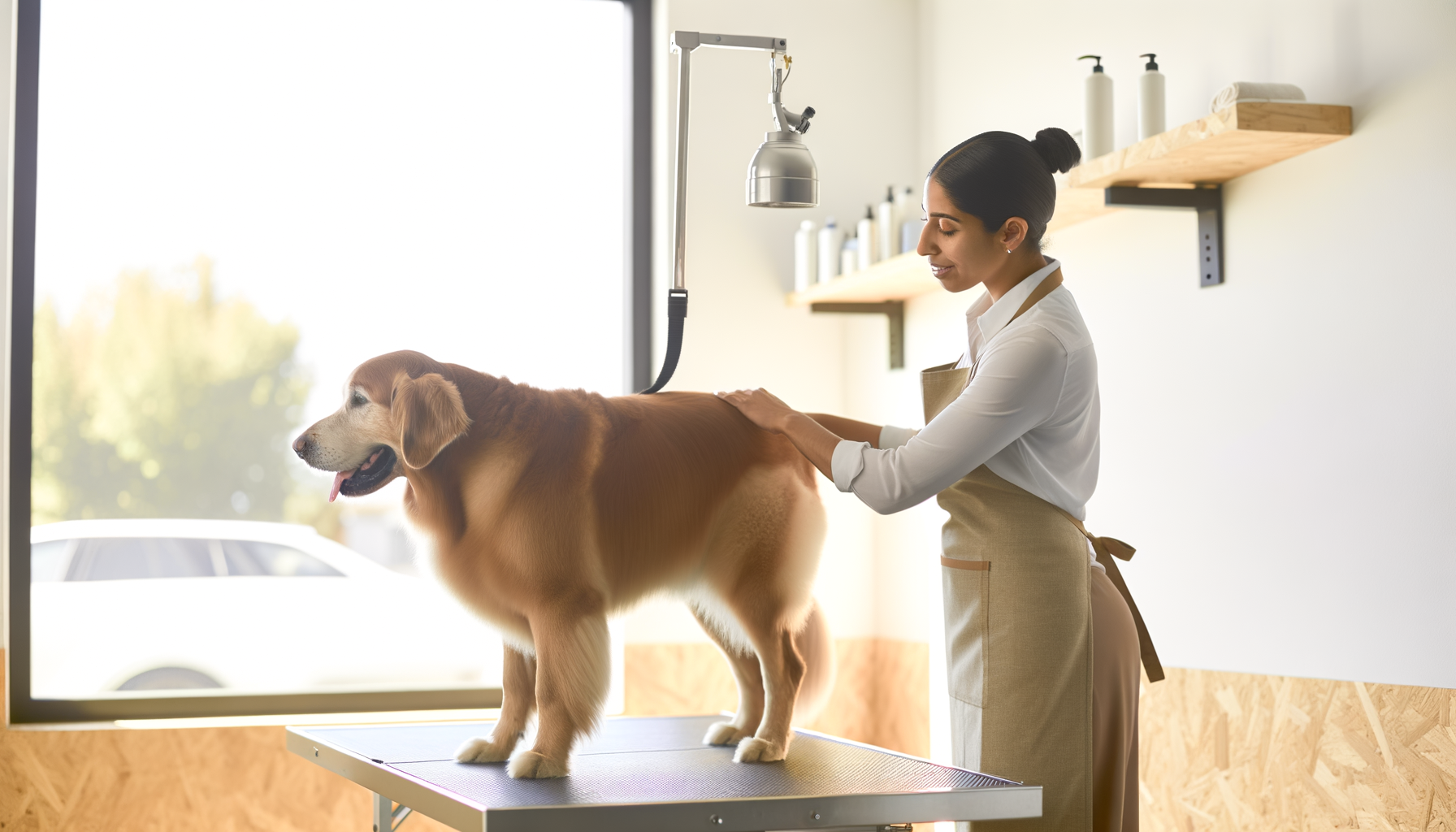
After changing groomers, immediately check your pet's skin for cuts or irritation, assess coat quality and styling accuracy, monitor behavior changes, and evaluate the overall cleanliness. Watch for stress signs over the next 24-48 hours to ensure your pet adapted well to the new environment.
Why Does the First Visit Matter So Much?
Your pet's first experience with a new groomer sets the foundation for all future visits. Unlike switching other service providers, changing groomers affects your pet's physical comfort, emotional well-being, and long-term relationship with grooming. Each groomer has different techniques, tools, and approaches that can significantly impact your pet's experience. The initial visit reveals crucial information about the groomer's skill level, attention to detail, and ability to handle your specific pet's needs. Professional groomers understand that building trust takes time, so they often take extra care during first appointments. However, certain quality indicators should be immediately apparent, regardless of whether it's the first or fiftieth visit.
Immediate Physical Assessment Checklist
Examine your pet thoroughly as soon as you pick them up. Look for these critical indicators:
- Check for any cuts, nicks, or razor burn on skin
- Inspect paw pads for cuts or excessive trimming
- Examine ears for cleanliness and signs of irritation
- Look at nail trim quality - should be even and not too short
- Assess coat texture and overall cleanliness
- Check for any missed areas or uneven trimming
- Verify requested style was executed properly
- Look for any signs of matting that wasn't addressed
What Behavioral Changes Should You Monitor?
Your pet's behavior in the hours and days following grooming provides valuable insights into their experience. A positive grooming experience typically results in a pet that seems refreshed and comfortable, while negative experiences can manifest in various behavioral changes. Watch for excessive scratching, which could indicate skin irritation from harsh products or rough handling. Pay attention to your pet's willingness to be touched in areas that were groomed - reluctance might suggest discomfort or pain. Some pets may seem unusually subdued after grooming, which could indicate stress or physical discomfort. Conversely, a well-groomed pet often displays increased energy and confidence. Changes in eating or sleeping patterns can also signal stress from a poor grooming experience. Document any concerning behaviors to discuss with your veterinarian if they persist beyond 48 hours.
How Do You Evaluate Grooming Quality Standards?
Professional grooming should meet specific quality benchmarks that indicate skill and attention to detail:
- Coat should be evenly trimmed with smooth transitions between lengths
- Nails trimmed to appropriate length without cutting the quick
- Ears cleaned thoroughly without signs of irritation or excessive moisture
- Teeth brushing completed if requested, with no bleeding gums
- Anal glands expressed properly if included in service
- Coat brushed completely free of mats and tangles
- Styling matches your specific requests and breed standards
- Pet appears comfortable and stress-free during pickup
What Communication Patterns Indicate Professionalism?
The groomer's communication style reveals a lot about their professionalism and care standards. A quality groomer should provide a detailed report about your pet's behavior during the appointment, noting any challenges or concerns that arose. They should explain what services were performed and offer specific care recommendations for maintaining your pet's coat at home. Professional groomers often point out any health issues they noticed, such as skin irritation, ear infections, or unusual lumps, and suggest veterinary consultation when appropriate. They should be willing to answer questions about their process and explain any decisions they made during grooming. Pay attention to whether they remember details about your pet's preferences or special needs from your initial consultation. Good groomers also provide realistic timelines for future appointments and explain seasonal care recommendations specific to your pet's breed and lifestyle.
How Should You Document This First Experience?
Creating a thorough record helps you make informed decisions about continuing with this groomer:
- Take before and after photos to assess the grooming quality objectively
- Note the exact services performed and compare to what was requested
- Record your pet's immediate reaction and behavior during pickup
- Document any concerns or issues you observed during the appointment
- Write down the groomer's recommendations and care instructions
- Track your pet's behavior for 24-48 hours post-grooming
- Note the total cost and compare to other groomers in your area
- Evaluate the cleanliness and organization of the grooming facility
When Should You Consider Making Another Change?
Sometimes despite your best research, a new groomer isn't the right fit for your pet. Certain situations warrant finding yet another groomer rather than giving additional chances. If your pet sustained any injuries during grooming, experienced excessive stress, or the groomer failed to follow basic safety protocols, these are immediate deal-breakers. Poor communication, failure to listen to your specific requests, or unwillingness to accommodate your pet's special needs also indicate a mismatch. However, minor styling preferences or small oversights might be worth addressing through direct conversation before making another change. Consider your pet's overall stress levels - frequent groomer changes can be difficult for some animals, so weigh the benefits of switching against the stress of another adjustment period. Trust your instincts about the groomer's professionalism and genuine care for animals. If something feels off, it's better to find a more suitable match than to compromise your pet's well-being.
How Can You Build a Strong Long-Term Relationship?
Once you've found a groomer who meets your standards, investing in that relationship benefits both you and your pet. Consistency in grooming schedules helps your pet become comfortable with the routine and allows the groomer to better understand your pet's needs over time. Provide honest feedback about what you liked and any minor adjustments you'd prefer for next time. Professional groomers appreciate constructive communication and want to improve their service. Be realistic about your expectations, especially for pets with challenging coats or behavioral issues. Building trust takes time, and each appointment typically gets easier as your pet becomes familiar with the groomer's style and environment. Consider seasonal needs and work with your groomer to establish an appropriate schedule that maintains your pet's coat health year-round. Remember that a good groomer becomes a valuable part of your pet's healthcare team, often spotting health issues early and providing valuable insights about your pet's changing needs as they age.
Frequently Asked Questions
How long should I wait to see if my pet adjusts to the new groomer?
Give your pet 24-48 hours to fully adjust after grooming. Most stress-related behaviors should resolve within this timeframe. If issues persist beyond two days, consider whether this groomer is the right fit for your pet's temperament and needs.
What should I do if I notice a small cut or injury after grooming?
Document the injury with photos immediately and contact the grooming facility. Minor nicks should be reported for their records and monitoring. If the cut appears deep or becomes infected, consult your veterinarian and inform the groomer of the outcome.
Is it normal for my pet to seem tired or subdued after grooming?
Some fatigue after grooming is normal, especially for anxious pets or lengthy sessions. However, extreme lethargy, loss of appetite, or behavioral changes lasting more than 24 hours may indicate excessive stress and should be evaluated by your veterinarian.
How do I know if the grooming style is appropriate for my pet's breed?
Research breed-specific grooming standards online or consult your veterinarian. Professional groomers should understand breed requirements and explain their approach. The cut should enhance your pet's natural features while being practical for their lifestyle and coat type.
Should I tip a new groomer differently than an established one?
Tipping should reflect service quality rather than tenure. If the new groomer provided excellent service, tip according to standard practices (typically 15-20%). Poor service warrants addressing concerns directly rather than adjusting tip amounts as feedback.
What if my pet's coat looks different than I expected?
Communication issues often cause style mismatches. Contact the groomer within 24 hours to discuss your concerns. Many professional groomers will make minor adjustments or explain their reasoning. Bring reference photos to future appointments for clearer communication.
Find Groomers Your Network Actually Trusts
Instead of trial-and-error with new groomers, discover which pet care professionals your friends and neighbors already trust. Tools like Linked By Six reveal the groomers your extended network relies on, helping you make confident decisions based on real experiences from people you know. Skip the guesswork and find quality pet care through trusted connections.
Changing groomers requires careful evaluation to ensure your pet's safety, comfort, and satisfaction. By systematically reviewing physical condition, monitoring behavioral changes, and assessing communication quality, you can determine whether your new groomer meets professional standards. Remember that building a strong groomer relationship takes time and open communication. Trust your instincts - if something doesn't feel right, continue your search for a groomer who truly understands and cares for your pet's individual needs. The right groomer becomes an invaluable partner in maintaining your pet's health and happiness throughout their life.