
Essential Brake Service Checklist: What to Review
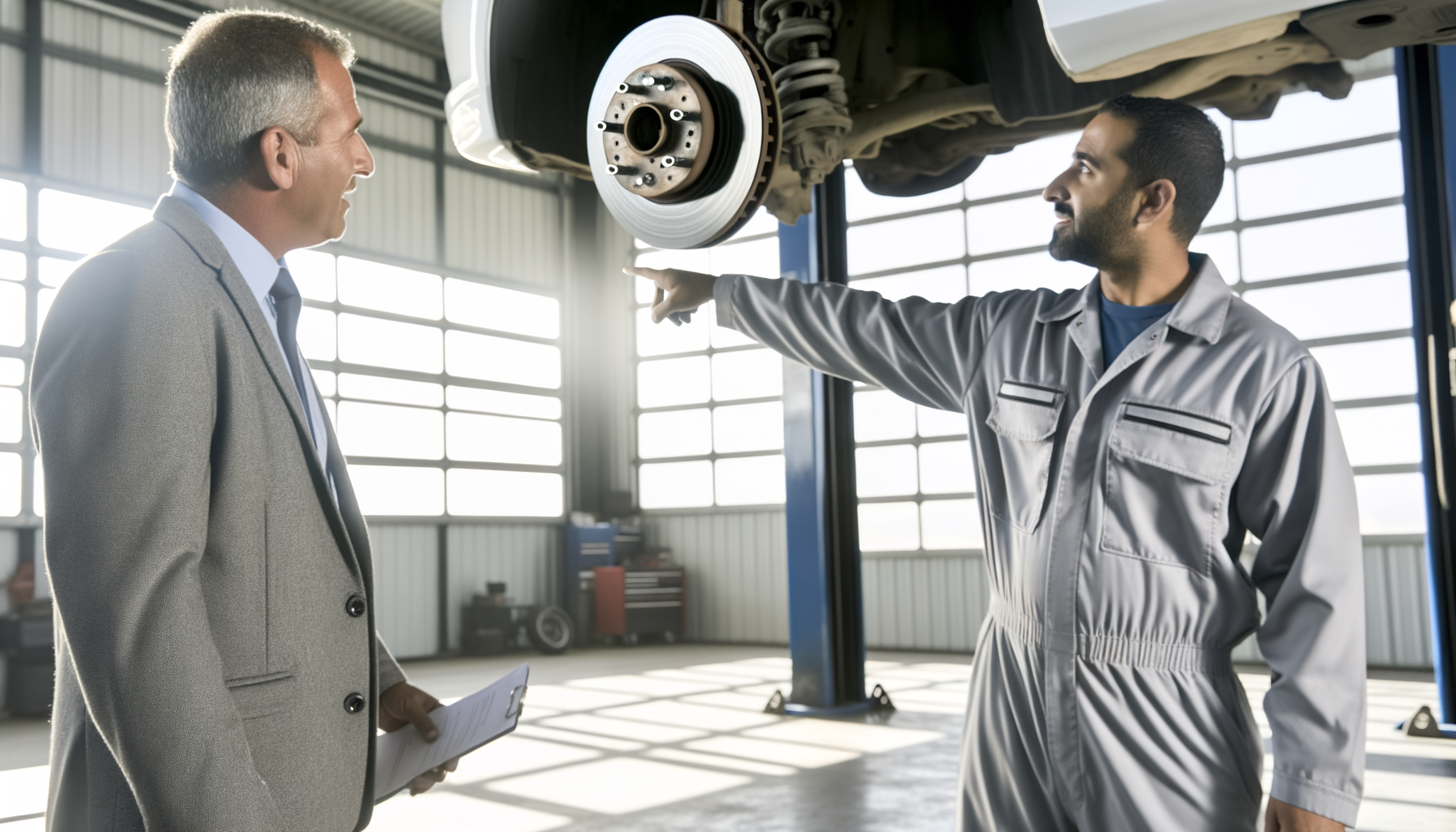
After brake service, review the work invoice for completed tasks, test brake pedal feel and response, check for unusual noises during initial driving, and verify all safety inspections were performed according to manufacturer specifications.
Why Post-Service Review Matters for Your Safety
Your brakes are your vehicle's most critical safety system, making post-service verification essential for your protection. Unlike other automotive repairs, brake work directly impacts your ability to stop safely in emergency situations. A thorough review process helps you identify potential issues before they become dangerous problems on the road. Quality brake service should leave you feeling confident about your vehicle's stopping power, not uncertain about the work performed. Professional shops understand that educated customers who know what to expect often become their most loyal advocates, as they can appreciate quality workmanship when they see it.
What Documentation Should You Receive?
Proper documentation protects both you and the service provider. Here's what you should expect:
- Detailed invoice listing all parts replaced (brake pads, rotors, fluid, etc.) with part numbers and specifications
- Before and after measurements of brake pad thickness and rotor condition when applicable
- Warranty information covering both parts and labor with specific time and mileage limits
- Safety inspection certificate or documentation showing brake system meets manufacturer standards
- Brake fluid condition report and replacement confirmation if service included fluid change
- Digital photos of old parts removed, especially if expensive components like rotors were replaced
How Should Your Brakes Feel After Service?
Properly serviced brakes should provide immediate feedback about the quality of work performed. The brake pedal should feel firm and responsive, engaging smoothly without requiring excessive pressure. You shouldn't experience any grinding, squealing, or unusual noises during normal braking. The vehicle should stop straight without pulling to one side, indicating properly balanced brake components. Some slight brake dust or minor squeaking during the first few stops is normal as new pads seat properly, but persistent noises warrant immediate attention. Your steering wheel should remain steady during braking, without vibration or pulsing that could indicate warped rotors or improper installation.
Visual Inspection Checklist
Before leaving the service facility, perform these visual checks:
- Brake fluid reservoir shows proper fill level and clean fluid color
- No visible brake fluid leaks under the vehicle or around wheels
- Wheels are properly secured with all lug nuts tightened to specification
- Brake warning lights on dashboard are off after engine start
- No unusual odors like burning or chemical smells from brake area
- Brake pedal returns to normal position quickly when released
What Questions Should You Ask Your Technician?
Engaging with your technician demonstrates your commitment to understanding the work performed and often reveals additional insights about your vehicle's condition. Ask about the condition of components that weren't replaced and when they might need attention in the future. Inquire about the break-in period for new brake pads and any driving restrictions during the first few hundred miles. Understanding the warranty coverage specifics helps you know what's covered if issues arise later. Request information about maintenance intervals for brake fluid changes and brake inspections. A quality technician will appreciate informed questions and provide detailed answers that help you maintain your vehicle properly between services.
Red Flags That Require Immediate Attention
These symptoms indicate potential problems that need immediate resolution:
- Brake pedal feels spongy, soft, or sinks toward the floor
- Vehicle pulls strongly to one side during braking
- Grinding, squealing, or clicking noises that persist beyond initial break-in
- Brake warning light remains illuminated after service completion
- Visible brake fluid leaks or drops under the parked vehicle
- Burning smell or excessive heat from wheels after normal driving
- Brake pedal vibration or pulsing during moderate braking pressure
How Long Should Quality Brake Work Last?
Understanding expected service life helps you evaluate the value of brake work and plan for future maintenance needs. Quality brake pads typically last 25,000 to 70,000 miles depending on driving conditions, pad material, and driving habits. Brake rotors often last through two or three pad replacements when properly maintained and not allowed to become severely worn. Brake fluid should be changed every two to three years regardless of mileage to prevent moisture contamination. The longevity of brake work depends significantly on driving patterns, with city driving and mountainous terrain reducing component life compared to highway driving. Premium brake components often provide longer service life and better performance, making them cost-effective for drivers who plan to keep their vehicles long-term.
When Should You Schedule Follow-Up Inspections?
Proactive brake maintenance prevents expensive repairs and ensures consistent safety performance. Schedule your next brake inspection based on your driving patterns and the technician's recommendations, typically every 12,000 to 15,000 miles for average drivers. High-performance driving, frequent towing, or mountainous terrain may require more frequent inspections. Many quality shops offer free brake inspections for previous customers, providing an opportunity to catch issues early. Annual brake fluid testing helps identify contamination before it causes expensive component damage. Consider scheduling brake inspections before long road trips or seasonal driving changes to ensure optimal performance when you need it most.
Frequently Asked Questions
How long should I wait before driving normally after brake service?
Most brake work allows normal driving immediately, but new pads need 200-300 miles of gentle use to properly seat. Avoid hard braking during this break-in period unless absolutely necessary for safety.
Is it normal for new brakes to make noise initially?
Light squeaking or slight grinding during the first few stops is normal as pads and rotors mate together. Persistent loud noises after 50 miles of driving indicate potential problems requiring inspection.
What warranty should I expect on brake work?
Quality brake work typically includes 12-24 months or 12,000-24,000 miles warranty on parts and labor. Premium components often carry longer warranties, sometimes up to 50,000 miles for certain pad types.
Should my brake pedal feel different after service?
Your brake pedal should feel firm and responsive, potentially better than before service. A spongy, soft, or low pedal after brake work indicates air in the system requiring immediate attention.
How do I know if brake fluid was actually changed?
Fresh brake fluid appears light amber or clear, while old fluid looks dark brown or black. You should receive documentation showing fluid condition before and after service, plus proper fill level verification.
What should I do if problems develop after brake service?
Contact the service facility immediately for any brake-related concerns. Quality shops stand behind their work and will inspect and correct issues covered under warranty at no additional charge.
Find Brake Shops Your Network Trusts
Rather than searching blindly for brake service, discover which local shops your friends and colleagues already trust. Tools like Linked By Six automatically show you trusted brake specialists recommended by your extended network—see verified connections before you book service.
Thorough post-service review protects your safety and ensures you receive quality brake work worth your investment. By understanding what to expect, asking informed questions, and recognizing warning signs, you become an empowered consumer who can confidently evaluate brake service quality. Remember that your brakes are too important for your safety to accept anything less than professional, thorough work. Quality brake shops welcome educated customers who understand the importance of proper brake service and will gladly explain their work and answer your questions. Building relationships with trustworthy service providers creates long-term value through consistent quality work and fair pricing.