
What to Prepare Before Scheduling a Plumber: Essential Guide
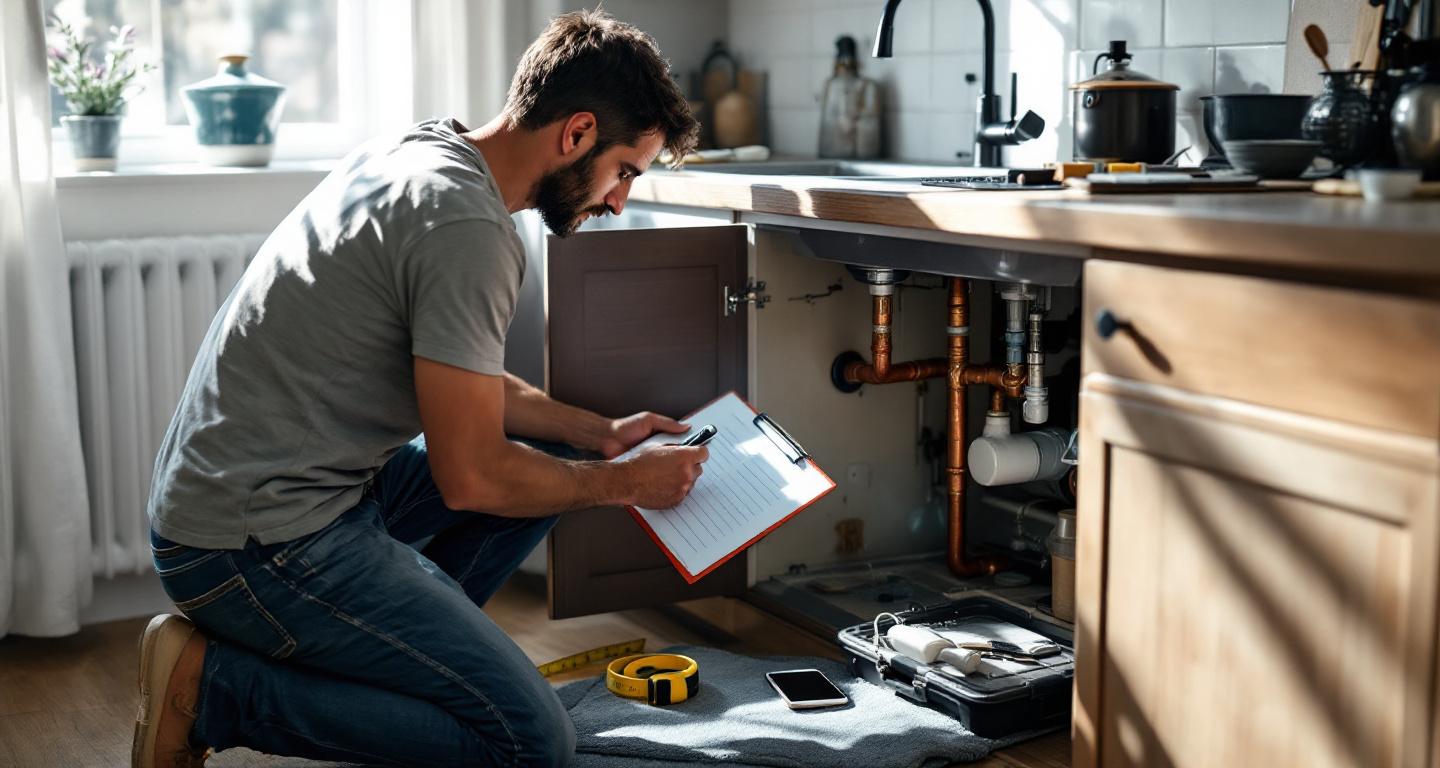
Before scheduling a plumber, document the problem with photos, locate your water main shutoff, gather relevant warranty information, and prepare specific questions about the issue. Clear the work area and compile a list of all plumbing concerns to maximize efficiency.
Why Does Preparation Matter When Hiring a Plumber?
Proper preparation before scheduling a plumber can save you hundreds of dollars and hours of frustration. When you're organized and informed, plumbers can diagnose issues faster, provide more accurate estimates, and complete work more efficiently. Most importantly, preparation helps you communicate clearly with potential plumbers, ensuring you find the right professional for your specific needs. Plumbers often charge by the hour, so reducing diagnostic time directly impacts your final bill. Additionally, when you demonstrate knowledge about your plumbing system and the specific problem, you're more likely to receive honest, detailed explanations rather than oversimplified responses.
What Information Should You Document About the Problem?
Thorough documentation helps plumbers understand your situation before they arrive, leading to more accurate estimates and faster repairs.
- Take clear photos and videos of the problem area, including any visible damage, leaks, or unusual conditions
- Note when the problem started and whether it's getting worse over time
- Record any sounds you hear (gurgling, banging, hissing) and when they occur
- Document what triggers the issue (using certain fixtures, time of day, weather conditions)
- List any recent changes to your plumbing system or nearby construction work
- Measure the affected area if relevant (depth of standing water, size of stains, etc.)
How Do You Locate and Test Your Water Controls?
Before any plumbing emergency strikes, you should know exactly where your water main shutoff valve is located and how to operate it. This knowledge is crucial when speaking with plumbers and can prevent water damage if problems worsen before help arrives. Walk around your property to locate the water meter (usually near the street) and the main shutoff valve (typically where the water line enters your house). Test both valves to ensure they turn easily – if they're stuck or require excessive force, mention this to potential plumbers as it may need attention. Also locate shutoff valves for individual fixtures like toilets, sinks, and your water heater. Take photos of these locations and keep them saved on your phone for quick reference.
What Steps Should You Take to Prepare Your Space?
Creating an accessible, clean work environment helps plumbers work efficiently and protects your belongings.
- Clear the area around the problem location, removing furniture, decorations, and personal items that might obstruct access
- Remove items from under sinks, around water heaters, or near other plumbing fixtures that may need attention
- Ensure adequate lighting in the work area or have flashlights available for dark spaces like basements or crawl spaces
- Locate and clear a path to your electrical panel in case power needs to be shut off to specific areas
- Put away valuables and fragile items from the general work area to prevent accidental damage
- Arrange for pets to be secured in a separate area to avoid interference with the work
What Documentation Should You Gather Before Calling?
Having the right paperwork ready streamlines the scheduling process and helps plumbers prepare appropriately.
- Home warranty information (if applicable) and coverage details for plumbing systems
- Receipts and documentation from previous plumbing work, especially recent repairs or installations
- Your home's age and any known plumbing system details (pipe materials, water heater age, etc.)
- Homeowner's insurance policy information in case the issue involves potential water damage
- HOA contact information if you live in a community with plumbing-related restrictions
- Permits or inspection records from previous plumbing work that might be relevant
What Questions Should You Prepare to Ask Potential Plumbers?
Having specific questions ready helps you evaluate plumbers effectively and ensures you get all necessary information during initial conversations.
- Are you licensed, bonded, and insured in our area, and can you provide proof of current coverage?
- What is your typical timeline for this type of repair, and when is your next available appointment?
- Do you charge for estimates, and what factors might affect the final cost beyond your initial quote?
- What brands or types of fixtures/materials do you recommend for our specific situation and budget?
- Do you guarantee your work, and what does your warranty cover in terms of parts and labor?
- Will you handle any necessary permits, and are there local codes that might affect this repair?
- What payment methods do you accept, and what is your payment schedule for larger jobs?
How Should You Handle Emergency Situations?
If you're dealing with a plumbing emergency like a burst pipe or severe leak, your preparation needs to be more immediate and focused on damage control. First, shut off the water supply to stop additional flooding, then document the damage quickly with photos for insurance purposes. Move valuables away from the affected area and start containing water with buckets, towels, or tarps. When calling emergency plumbers, be prepared to pay premium rates for after-hours service, but don't let urgency prevent you from asking about licensing and insurance. Even in emergencies, reputable plumbers will provide clear pricing information and explain what immediate steps they'll take to address the situation.
What Should You Know About Pricing and Estimates?
Understanding how plumbers typically structure their pricing helps you prepare financially and ask better questions during the selection process. Many plumbers charge a service fee for coming to your home, which may or may not be applied toward repair costs if you hire them. Hourly rates vary significantly by location and complexity of work, so get specific information about minimum charges and what's included in quoted rates. For larger jobs, request detailed written estimates that break down parts, labor, and any additional fees. Be wary of estimates that seem significantly higher or lower than others you receive – both can indicate potential problems. Ask specifically about charges for disposal fees, permit costs, or unexpected complications that might arise during the work.
The best clients come prepared with clear documentation of their problem and realistic expectations about timing and costs. This preparation usually results in better outcomes and fewer surprises for everyone involved.
Mike Rodriguez, Licensed Master Plumber with 18 years experience
Frequently Asked Questions
Should I try to fix the plumbing problem myself before calling a professional?
Only attempt very simple fixes like unclogging toilets with a plunger or replacing obviously worn washers. Most plumbing issues require professional tools and expertise, and DIY attempts often worsen problems or create new ones.
How far in advance should I schedule non-emergency plumbing work?
For routine maintenance or non-urgent repairs, schedule 1-2 weeks ahead. Popular plumbers book quickly, especially during busy seasons. Emergency services are available same-day but cost significantly more.
What if I don't know what type of pipes or fixtures I have?
Take clear photos of your plumbing components and ask the plumber to identify them during your consultation. Most professionals can quickly determine pipe materials and fixture types from photos or brief descriptions.
Do I need to get multiple estimates for every plumbing job?
For major repairs or installations over $500, get 2-3 estimates. For minor repairs under $200, one estimate from a trusted, well-reviewed plumber is usually sufficient to ensure fair pricing.
What should I do if the plumber discovers additional problems during the repair?
Ask for a detailed explanation of new issues and separate estimates for additional work. Never authorize extra work on the spot – take time to consider whether repairs are urgent or can be scheduled separately.
How can I verify that a plumber is properly licensed and insured?
Check your state's licensing board website using the plumber's license number. Ask for proof of current liability insurance and workers' compensation coverage. Legitimate professionals readily provide this documentation.
Find Trusted Plumbers in Your Network
Rather than starting your search from scratch, discover which plumbers your friends and neighbors already trust. Tools like Linked By Six automatically show you local service providers that people in your extended network have used and recommended, giving you confidence before you even make the first call.
Thorough preparation before scheduling a plumber transforms what could be a stressful experience into a smooth, professional interaction. By documenting problems clearly, gathering relevant information, and preparing thoughtful questions, you set the stage for accurate estimates, quality work, and fair pricing. Remember that good preparation also helps you recognize truly professional plumbers – those who appreciate organized clients and provide clear, detailed responses to your questions. The time you invest in preparation typically pays dividends in reduced costs, better outcomes, and greater confidence in your chosen professional. Whether you're dealing with a minor repair or a major plumbing project, these preparation steps ensure you're ready to make informed decisions and get the quality service your home deserves.