
How to Prepare Before Hiring a Trusted Locksmith
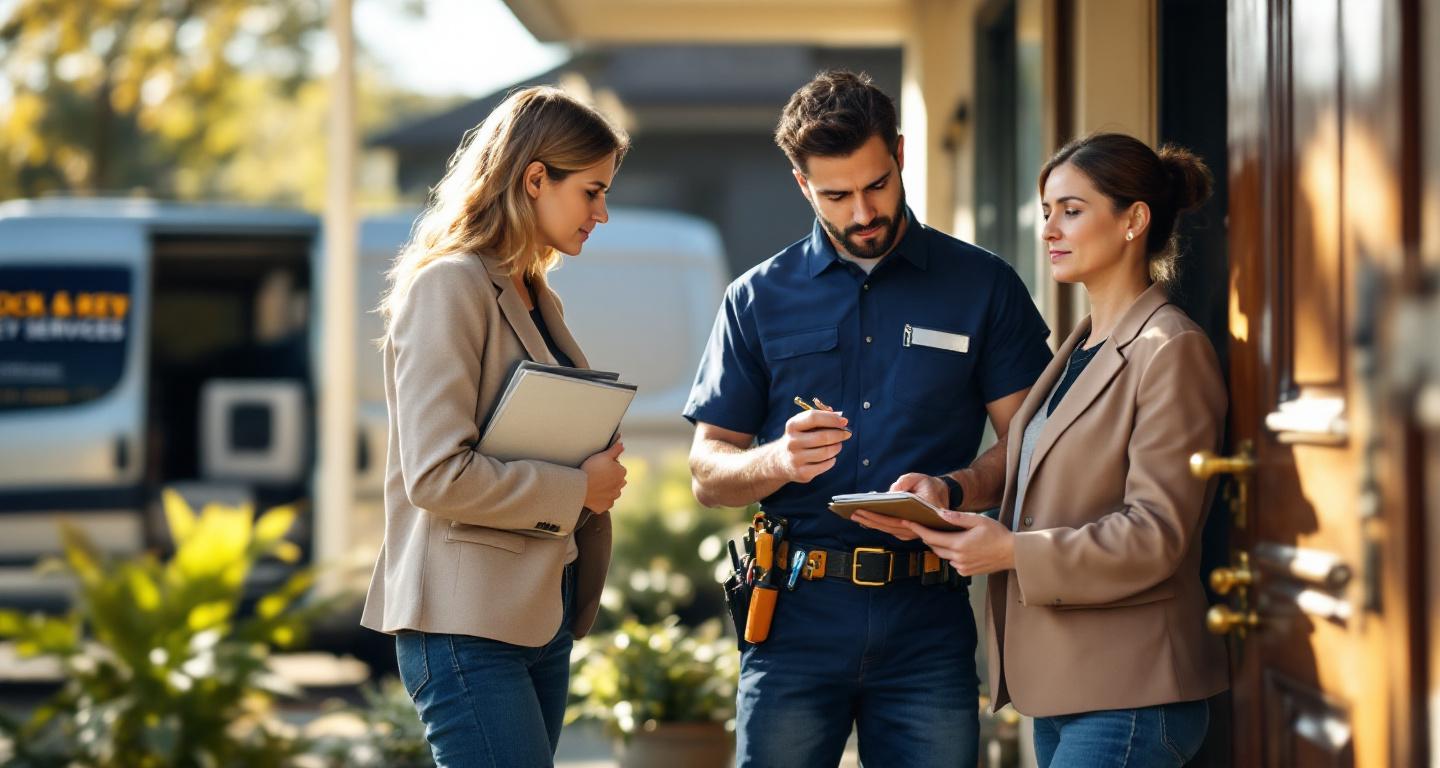
Before hiring a locksmith, gather proof of residence, valid ID, emergency contact information, and details about your specific lock issue. Research licensing requirements in your area and prepare questions about pricing, timeline, and warranties to ensure you hire a qualified professional.
Why Does Proper Preparation Matter When Hiring a Locksmith?
Locksmith emergencies often happen at the worst possible moments—when you're locked out in bad weather, late at night, or rushing to an important appointment. However, taking time to prepare before you need a locksmith can save you from costly mistakes and fraudulent providers. The locksmith industry, unfortunately, attracts some bad actors who prey on people in vulnerable situations. Proper preparation helps you identify legitimate professionals and protects you from scams. When you have your documentation ready and know what questions to ask, you project confidence that deters dishonest operators. Additionally, preparation speeds up the service process, reducing both time and labor costs. A prepared customer also helps legitimate locksmiths work more efficiently, creating a better experience for everyone involved.
Essential Documents and Information to Gather
Having the right documentation ready streamlines the locksmith service and proves your right to access the property:
- Valid government-issued photo ID matching your current address
- Proof of residence (utility bill, lease agreement, or mortgage statement)
- Property deed or rental agreement if ID address doesn't match
- Emergency contact information for property manager or landlord
- Insurance policy information in case coverage applies
- Photos of the lock or security system from multiple angles
- Model numbers or brand information for existing locks
- List of all people who need access (for key duplication planning)
What Should You Know About Your Lock Before Calling?
Understanding your lock situation helps locksmiths provide accurate estimates and come prepared with the right tools. Take photos of your locks from different angles, including close-ups of any brand names, model numbers, or unique features. Note the type of lock—deadbolt, knob lock, smart lock, or multi-point system. If you're locked out, try to remember if you have spare keys hidden anywhere or if other entry points might be available. For planned services like rekeying or upgrades, measure your door thickness and note the existing hardware finish. Consider your security needs: do you want all locks keyed alike, or do you need different access levels? Think about who currently has keys and whether you want to maintain that access. This information helps locksmiths recommend appropriate solutions and provide more accurate pricing over the phone.
How to Research and Verify Locksmith Credentials?
Legitimate locksmiths have verifiable credentials and business practices. Follow these verification steps:
- Check if your state requires locksmith licensing and verify the provider's license status through official government databases
- Confirm the business has a physical local address (not just a P.O. box) and verify it through online maps and directory listings
- Look up their Better Business Bureau rating and read complaint details, not just the overall score
- Verify insurance coverage by asking for proof of liability and bonding documentation
- Check professional association memberships like Associated Locksmiths of America (ALOA) or local trade organizations
- Confirm they arrive in a clearly marked vehicle with company branding that matches their business name
- Verify the technician carries proper identification and can provide business cards with consistent contact information
What Questions Should You Ask Before Hiring?
Asking the right questions upfront prevents misunderstandings and helps identify professional locksmiths:
- What is your exact business name and physical address? Can you provide your license number?
- What will the total cost be, including all fees, travel charges, and potential additional services?
- How long will the job take, and what is your estimated arrival time?
- What payment methods do you accept, and when is payment due?
- Do you guarantee your work, and what does your warranty cover?
- Will you need to drill or replace my lock, or can it be picked or bumped open?
- Do you carry the lock brands and security levels I'm requesting?
- Are you insured and bonded, and can you provide proof of coverage?
- Will the person I'm speaking with be the one performing the work?
- Can you provide references from recent customers in my area?
How Should You Prepare Your Property and Schedule?
Preparing your property and schedule ensures smooth service delivery and protects your interests. Clear the work area of any obstacles, valuable items, or pets that might interfere with the locksmith's work. If possible, arrange for a trusted neighbor or friend to be present as a witness, especially for emergency calls or if you'll be alone. Ensure adequate lighting around the work area and have extension cords available if needed. For planned services, schedule during daylight hours when possible, as this provides better working conditions and enhanced security. Notify family members or roommates about the scheduled service to avoid confusion. If you live in an apartment or gated community, arrange any necessary access permissions in advance. Consider the impact on your daily routine—you may need to adjust plans if locks are temporarily non-functional during service. Take before photos of your property for insurance purposes, especially if drilling or hardware replacement will be necessary.
What About Emergency Versus Planned Locksmith Services?
The preparation approach differs significantly between emergency lockouts and planned locksmith services. For emergencies, you're working under time pressure but shouldn't skip safety verification steps. Even in urgent situations, legitimate locksmiths will understand your need to verify their identity and credentials. Keep a pre-researched list of reputable local locksmiths in your phone for emergencies—this preparation pays off when you're stressed and need help quickly. For planned services like rekeying after moving, lock upgrades, or security system installation, you have the luxury of thorough research and multiple quotes. Use this time advantage to compare prices, check references, and verify credentials carefully. Planned services also allow you to coordinate timing with your schedule and potentially bundle multiple services for better pricing. Consider seasonal factors too—locksmith demand peaks during moving season and holiday periods when people travel more.
How to Handle Payment and Documentation?
Proper payment preparation protects you from scams and ensures you have records for warranty or insurance purposes:
- Never pay the full amount upfront—legitimate locksmiths typically collect payment after successful completion
- Prepare multiple payment methods but avoid cash-only transactions which provide no paper trail
- Request detailed written estimates before work begins, including all potential additional charges
- Insist on itemized invoices showing labor, parts, and any service fees separately
- Keep all receipts, invoices, and warranty information in a dedicated home maintenance file
- Take photos of completed work and any new keys or hardware provided
- Get care instructions and warranty terms in writing, including contact information for future service
Frequently Asked Questions
Do I need to be home when the locksmith arrives?
Yes, you should always be present when a locksmith works on your property. This ensures security, allows you to verify their credentials, and enables you to approve any changes to the original estimate before additional work begins.
How much should I expect to pay for locksmith services?
Basic lockout services typically range from $50-200, while lock installation or rekeying costs $75-250 per lock. Emergency and after-hours services carry premium charges. Always get written estimates before work begins.
What if I don't have proof of residence readily available?
Most locksmiths accept various forms of proof including utility bills, bank statements, or mail addressed to the property. In emergencies, they may accept multiple forms of identification plus verification from neighbors or property managers.
Should I tip my locksmith?
Tipping isn't expected for locksmith services as they typically charge professional service rates. However, if a locksmith provides exceptional service, goes above and beyond, or works in difficult conditions, a 10-15% tip is appreciated.
How quickly should a locksmith be able to respond to emergencies?
Reputable locksmiths typically respond to emergencies within 15-30 minutes in urban areas, longer in rural locations. Be wary of services promising unrealistic response times or those that take several hours without explanation.
What should I do if the locksmith wants to replace rather than repair my lock?
Ask for a detailed explanation of why replacement is necessary. Sometimes replacement is unavoidable, but get a second opinion for expensive jobs. Legitimate locksmiths will explain their reasoning and show you any damage.
Find Pre-Vetted Locksmiths in Your Network
Skip the stress of researching locksmith credentials during an emergency. Tools like Linked By Six automatically show you which locksmiths your trusted contacts have used and recommended, giving you confidence in your choice before you even make the call.
Preparing before you need a locksmith transforms a potentially stressful experience into a smooth professional service. By gathering proper documentation, researching credentials, and knowing what questions to ask, you protect yourself from scams while ensuring quality service. Remember that legitimate locksmiths appreciate prepared customers who understand the process. Whether you're dealing with an emergency lockout or planning security upgrades, this preparation checklist helps you make confident decisions and build lasting relationships with trustworthy service providers. The time invested in preparation pays dividends in security, cost savings, and peace of mind.