
Essential Guide: What to Prepare Before Hiring a Landscaper
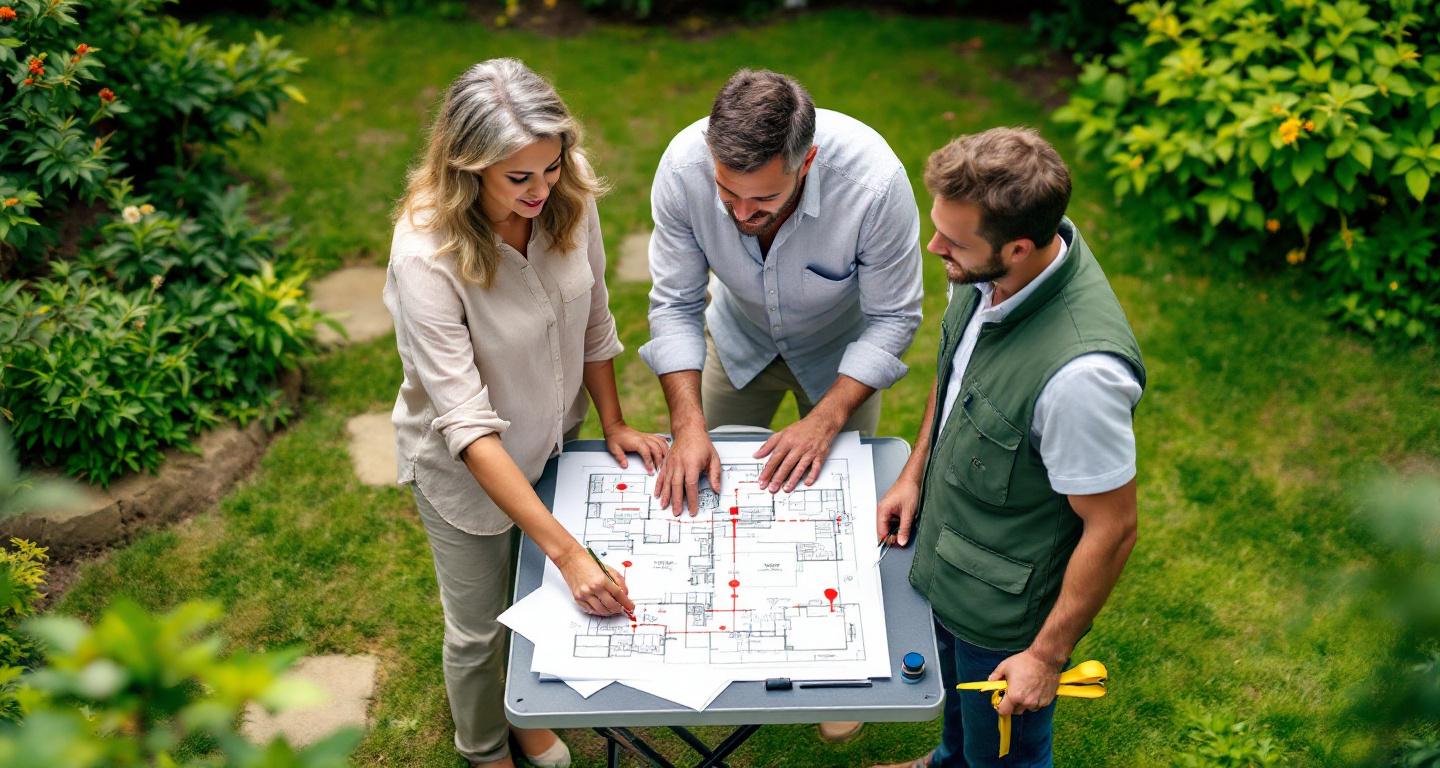
Before hiring a landscaper, prepare your property survey, budget range, design inspiration photos, and a detailed scope of work. Have your utility lines marked, gather multiple quotes, and verify contractor licenses and insurance to ensure project success.
Why Does Preparation Matter When Hiring a Landscaper?
Proper preparation transforms landscaping projects from stressful ordeals into smooth collaborations. When you're organized and informed, you attract better contractors, receive more accurate quotes, and avoid costly miscommunications. Professional landscapers appreciate clients who understand their needs and have realistic expectations. This preparation phase also protects you legally and financially, ensuring your investment delivers the outdoor space you envision. Most importantly, thorough preparation helps you identify red flags early and select a contractor who aligns with your project goals and communication style.
What Documents Should You Gather Before Meeting Contractors?
Having the right documentation streamlines the quoting process and demonstrates professionalism to potential contractors:
- Property survey showing exact boundaries, easements, and setback requirements
- Recent utility location markings (call 811 at least 3 business days before)
- HOA guidelines or city permits required for your planned improvements
- Previous landscaping invoices or maintenance records for existing features
- Soil test results if you have them, or note areas with drainage issues
- Property photos from different seasons showing current conditions
How Should You Define Your Project Scope and Budget?
Clear project definition prevents scope creep and ensures accurate quotes. Start by prioritizing your needs versus wants—essential repairs, drainage solutions, and safety improvements should come first. Create a realistic budget range by researching typical costs for your area and project type. Be honest about your timeline and any flexibility you have with start dates. Consider seasonal factors that might affect pricing and availability. Document any existing landscaping you want to preserve or remove. This clarity helps contractors provide accurate estimates and timeline projections, while protecting you from unexpected costs down the road.
What Steps Should You Take to Evaluate Potential Contractors?
A systematic evaluation process helps you identify the most qualified professionals:
- Verify current licensing, bonding, and liability insurance coverage
- Check Better Business Bureau ratings and recent complaint history
- Review portfolio photos of similar projects completed in the last two years
- Request and contact at least three recent client references
- Confirm they have workers' compensation insurance for their crew
- Evaluate their communication style and responsiveness during initial contact
- Ensure they provide detailed written estimates with material specifications
What Questions Should You Ask During Contractor Meetings?
Use this checklist to ensure you gather all necessary information:
- How long have you been in business under your current license?
- Can you provide proof of current insurance and licensing?
- What is your typical timeline for projects of this scope?
- How do you handle weather delays or unexpected site conditions?
- What warranty do you provide on labor and materials?
- Who will supervise the daily work on my property?
- How do you protect existing landscaping and hardscaping?
- What is your policy for changes or additions during the project?
- How do you handle cleanup and debris removal?
- What permits will you obtain and are they included in your quote?
How Do You Prepare Your Property for Landscaping Work?
Physical preparation protects your existing property and ensures smooth project execution. Remove or protect valuable plants, outdoor furniture, and decorative items from the work area. Mark any underground utilities, irrigation lines, or septic systems not covered by the 811 service. Clear access routes for equipment and material delivery, ensuring gates are wide enough for machinery. Take detailed photos of your property's current condition to document any pre-existing issues. Communicate with neighbors about potential noise, dust, or temporary access needs. This preparation prevents damage claims and demonstrates your professionalism as a client.
What Financial Preparations Should You Make?
Smart financial planning protects you from overcommitting and ensures project completion:
- Set aside 10-20% contingency funds for unexpected issues or changes
- Understand payment schedules and never pay large amounts upfront
- Verify what permits, inspections, or utility work might require separate payments
- Consider seasonal pricing fluctuations that might affect material costs
- Research financing options if your project exceeds available cash
- Understand your contract's policies for additional work or change orders
How Can You Verify a Landscaper's Trustworthiness?
Trust comes from verified credentials and personal recommendations from people whose judgment you value. Professional landscapers understand that trust must be earned through transparency and proven track records. The most reliable recommendations often come through extended networks—friends of friends, colleagues, or community members who've had positive experiences. Look for contractors who are established members of professional associations and who maintain consistent business locations. Their reputation in the community often reflects their commitment to quality work and customer satisfaction. This network-based vetting process typically yields better matches than anonymous online reviews alone.
The best landscaping relationships develop over years. I always tell homeowners to think beyond the initial project and consider whether this is someone they'd want maintaining their investment long-term.
Mike Rodriguez, Licensed Landscape Contractor
Frequently Asked Questions
How far in advance should I start planning a landscaping project?
Start planning 2-3 months before your desired start date. This allows time for contractor research, permit approvals, and material ordering. Popular contractors often book months ahead during peak season.
What's a reasonable deposit to pay a landscaping contractor?
Never pay more than 10% upfront or $1,000, whichever is less. Legitimate contractors don't need large deposits and payment should be tied to project milestones, not upfront cash.
Should I get multiple quotes for my landscaping project?
Yes, get at least three detailed quotes from licensed contractors. This helps you understand fair pricing and compare approaches. Avoid quotes that are significantly higher or lower than others.
What insurance should my landscaping contractor carry?
Contractors need general liability insurance ($500,000+ recommended) and workers' compensation coverage. Request certificates of insurance and verify they're current before work begins to protect yourself from liability.
How do I know if a landscaping quote is reasonable?
Reasonable quotes include detailed material specifications, labor breakdown, timeline, and cleanup provisions. Be wary of vague estimates or prices significantly different from other qualified contractors' quotes.
What should I do if problems arise during the landscaping project?
Address concerns immediately with the project supervisor, document issues with photos, and refer to your written contract. Good contractors will work with you to resolve problems promptly and professionally.
Find Trusted Landscapers Through Your Network
Skip the guesswork of finding reliable contractors. Tools like Linked By Six automatically connect you with landscapers your friends, neighbors, and colleagues have successfully used, giving you confidence before you even make contact.
Thorough preparation before hiring a landscaper sets the foundation for a successful project and positive working relationship. By gathering proper documentation, defining clear expectations, and conducting due diligence on potential contractors, you protect your investment and increase the likelihood of excellent results. Remember that the cheapest quote isn't always the best value—focus on finding qualified professionals who demonstrate reliability, proper licensing, and strong community reputations. The extra time spent in preparation pays dividends in project quality, timeline adherence, and overall satisfaction with your landscaping investment.