
What to Prepare Before Hiring Fire Damage Restoration
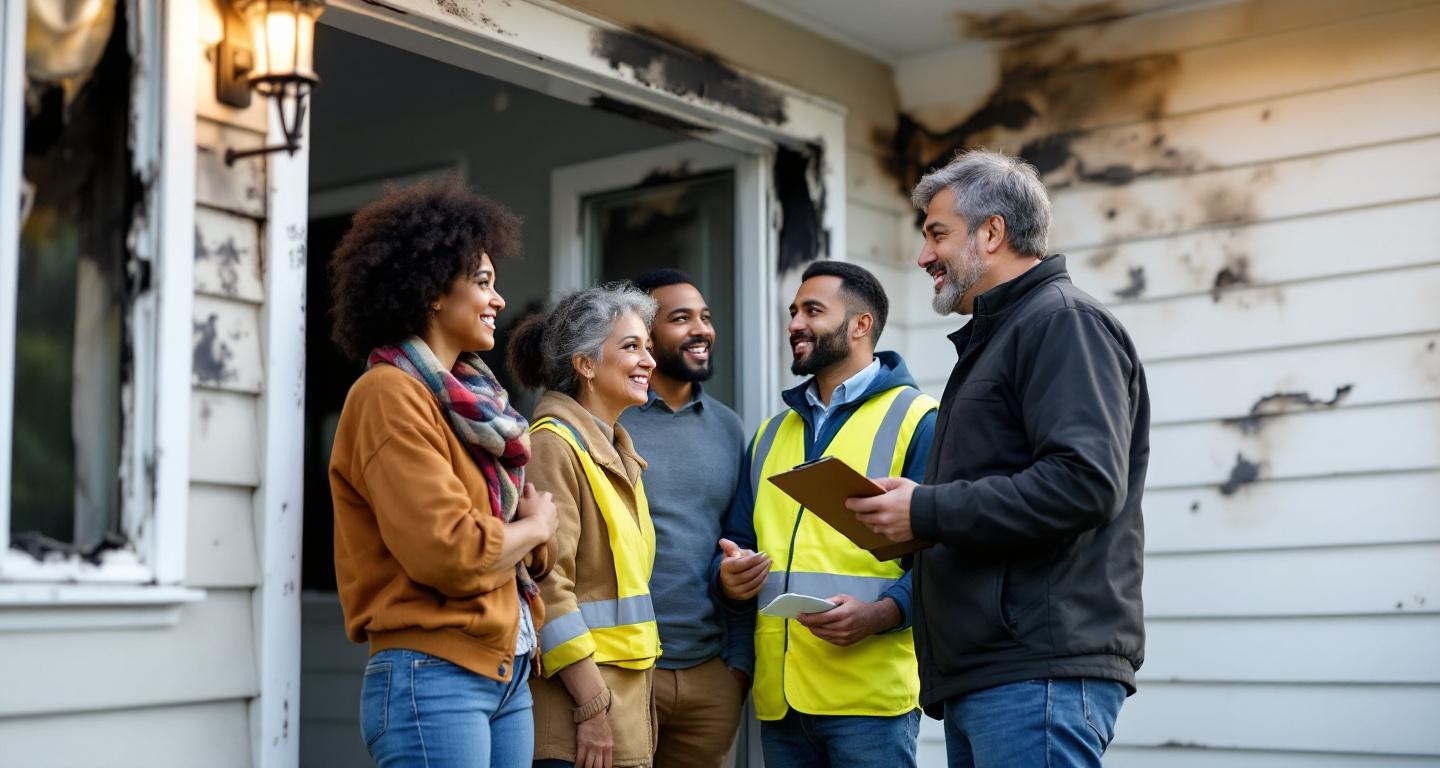
Before hiring fire damage restoration, secure your property, document all damage with photos and videos, contact your insurance company immediately, gather important documents, and create a detailed inventory of damaged items. Having this preparation complete helps contractors provide accurate estimates and streamlines insurance claims.
Why Does Preparation Matter for Fire Damage Restoration?
Fire damage restoration is a race against time, but rushing into hiring the wrong contractor can cost you thousands and delay your recovery for months. Proper preparation before selecting a restoration company ensures you get accurate estimates, maximizes your insurance coverage, and helps you identify trustworthy professionals who won't take advantage of your emergency situation. When you're prepared with documentation and clear expectations, contractors know they're dealing with an informed customer, which typically results in better service and more honest pricing. Additionally, having your paperwork organized upfront prevents delays that could allow secondary damage like mold growth to develop, which would complicate and extend your restoration timeline.
What Documentation Should You Gather First?
Creating a comprehensive damage record protects your insurance claim and helps contractors provide accurate estimates. Follow these documentation steps immediately after ensuring your safety:
- Take extensive photos and videos of all fire, smoke, and water damage from multiple angles, including wide shots showing entire rooms and close-ups of specific damage
- Photograph your home's exterior, focusing on roof damage, siding, windows, and any structural issues caused by the fire
- Document all damaged personal property with photos showing brand names, model numbers, and serial numbers when visible
- Create a written inventory listing each damaged item with purchase dates, original costs, and estimated replacement values
- Save all receipts for temporary housing, emergency repairs, and additional living expenses as these may be covered by your insurance
- Take photos of any emergency repairs you make to prevent further damage, as these costs are typically reimbursable
How Do You Handle the Insurance Process Before Hiring Contractors?
Contact your insurance company within 24 hours of the fire, even if it occurs over a weekend. Most insurers have 24/7 claim reporting hotlines for emergencies. When you call, provide your policy number, the date and time of the fire, and a preliminary description of the damage. Ask about your coverage limits for dwelling repairs, personal property replacement, and additional living expenses. Request that an adjuster be assigned immediately and ask when they can inspect the property. Obtain your claim number and the direct contact information for your adjuster. Understanding your coverage limits helps you set realistic expectations when meeting with restoration contractors and prevents you from agreeing to work that exceeds your policy benefits.
What Important Documents Should You Secure?
Having key documents readily available speeds up the contractor hiring process and insurance claim. Gather these essential papers:
- Homeowner's insurance policy documents, including coverage limits and deductible information
- Recent property tax assessments and home appraisals that establish your property's value
- Warranties and receipts for major appliances, electronics, and home improvements that were damaged
- Previous home inspection reports that document your home's pre-fire condition
- Utility bills and service records that may be relevant to the fire's cause
- Contact information for your mortgage lender, as they may need to be notified of major damage
- A copy of your home's floor plan or blueprints if available, which helps contractors understand the structure
What Safety Measures Should You Take Before Contractors Arrive?
Before any restoration company enters your property, ensure the fire department has cleared the structure as safe for entry. If utilities were shut off during the fire response, don't turn them back on yourself—wait for utility company professionals to inspect and restore service safely. Secure the property by boarding up broken windows and covering holes in the roof with tarps to prevent further damage from weather or vandalism. Remove any valuable items that weren't damaged and store them safely elsewhere. If the fire department hasn't already done so, ventilate the property to reduce smoke odors, but be cautious about creating cross-drafts that might spread soot to undamaged areas. These steps protect both you and the restoration professionals who will be evaluating your property.
What Questions Should You Prepare for Contractor Meetings?
Having specific questions ready helps you evaluate restoration companies effectively and make informed decisions:
- Are you licensed, bonded, and insured for fire damage restoration in this state?
- How many fire damage restoration projects have you completed in the past year?
- Can you provide references from recent fire damage customers in my area?
- What is your typical timeline for completing fire damage restoration projects of this size?
- How do you handle contents cleaning and storage during the restoration process?
- Will you work directly with my insurance company throughout the claim process?
- What emergency services can you provide immediately to prevent further damage?
- Do you have experience with homes of similar age, construction type, and damage extent?
- How do you test for and remediate smoke odor in HVAC systems and porous materials?
- What warranty do you provide on your fire damage restoration work?
How Do You Prepare Your Property for Contractor Estimates?
Clear safe pathways through your home so contractors can access all damaged areas without risk of injury. Remove loose debris that might pose tripping hazards, but leave structural damage untouched for contractors to assess. If possible, provide adequate lighting in damaged areas—bring in battery-powered lanterns if electrical service is compromised. Create a simple sketch or list of all damaged areas to ensure contractors don't miss anything during their walkthrough. If you have blueprints or know about hidden systems like in-wall wiring or plumbing, make note of these for contractors. Having this information ready demonstrates your thoroughness and helps contractors provide more accurate estimates. Also, prepare a quiet space where you can review estimates and ask questions without distractions.
What Should You Know About Emergency Services vs. Full Restoration?
Understanding the difference between emergency mitigation and full restoration helps you make better decisions about contractors and timing. Emergency services include water extraction, structural drying, board-up services, and temporary roof repairs—work that must happen immediately to prevent further damage. Full restoration involves rebuilding, replacing damaged materials, and returning your home to its pre-fire condition. Some companies specialize in emergency services and subcontract restoration work, while others handle both phases. Ask potential contractors which services they provide directly versus which they subcontract. If you're considering separate companies for each phase, ensure they're willing to coordinate effectively. However, using one qualified company for both phases often provides better continuity and accountability throughout your recovery process.
How Do You Prepare for the Financial Aspects of Fire Restoration?
Review your insurance policy's payment structure before meeting contractors. Many insurers issue initial payments to cover emergency services and temporary repairs, with additional payments released as work progresses. Understand your deductible amount and when it applies—typically, you'll pay the deductible upfront, and insurance covers costs above that amount. Be wary of contractors who offer to waive your deductible, as this practice may be illegal and could jeopardize your claim. Prepare a realistic budget for any out-of-pocket expenses not covered by insurance, such as upgrades beyond your home's original condition. If you're considering upgrades, get separate estimates for insurance-covered restoration work versus optional improvements. Having a clear financial picture helps you make informed decisions and avoid contractors who might try to inflate costs or pressure you into unnecessary work.
Frequently Asked Questions
How quickly do I need to contact my insurance company after a fire?
Contact your insurance company within 24 hours of the fire. Most insurers have 24/7 emergency claim reporting hotlines. Quick reporting helps expedite adjuster assignment and ensures your claim is processed promptly, which is crucial for fire damage restoration.
Can I start cleanup work before hiring a restoration company?
Only perform emergency actions to prevent further damage, like tarping holes or removing standing water. Don't begin actual restoration work until you've documented everything and contacted your insurance company, as premature work can complicate your claim.
Should I get multiple estimates for fire damage restoration?
Yes, obtain at least three estimates from licensed fire damage restoration companies. This helps you understand the scope of work needed, compare pricing, and identify contractors who provide thorough assessments versus those who might miss important damage.
What if my insurance adjuster and contractor disagree on repairs needed?
Document both opinions and request a three-way meeting between you, your adjuster, and contractor. If disagreements persist, you may need a public adjuster or independent contractor assessment to resolve differences and ensure adequate repairs.
How do I verify a fire restoration contractor's credentials?
Check their license through your state's licensing board, verify insurance with their carrier, and confirm certifications through organizations like the IICRC. Also check Better Business Bureau ratings and recent customer reviews for performance history.
What should I do with undamaged belongings during restoration?
Remove undamaged valuables to prevent theft or accidental damage during construction. For items that can't be moved, discuss protection protocols with your contractor and document their condition before work begins.
Find Trusted Fire Restoration Contractors
Finding reliable fire damage restoration contractors quickly is crucial for your recovery. Tools like Linked By Six automatically show you which restoration companies your friends, neighbors, and colleagues have used and trusted—giving you vetted options when you need them most. See your trusted network's recommendations instantly instead of starting from scratch during this stressful time.
Proper preparation before hiring a fire damage restoration contractor protects both your property and your financial interests. By documenting damage thoroughly, understanding your insurance coverage, and preparing the right questions, you position yourself to make informed decisions quickly. Remember that fire damage restoration is both an emergency response and a long-term reconstruction project—the contractor you choose will be your partner through months of recovery. Taking time to prepare upfront, even in the midst of crisis, pays dividends in better service, fair pricing, and successful restoration outcomes. Your thorough preparation demonstrates to contractors that you're an informed customer who expects professional service and accountability throughout the restoration process.