
Essential Guide: Preparing for Auto Body Repairs
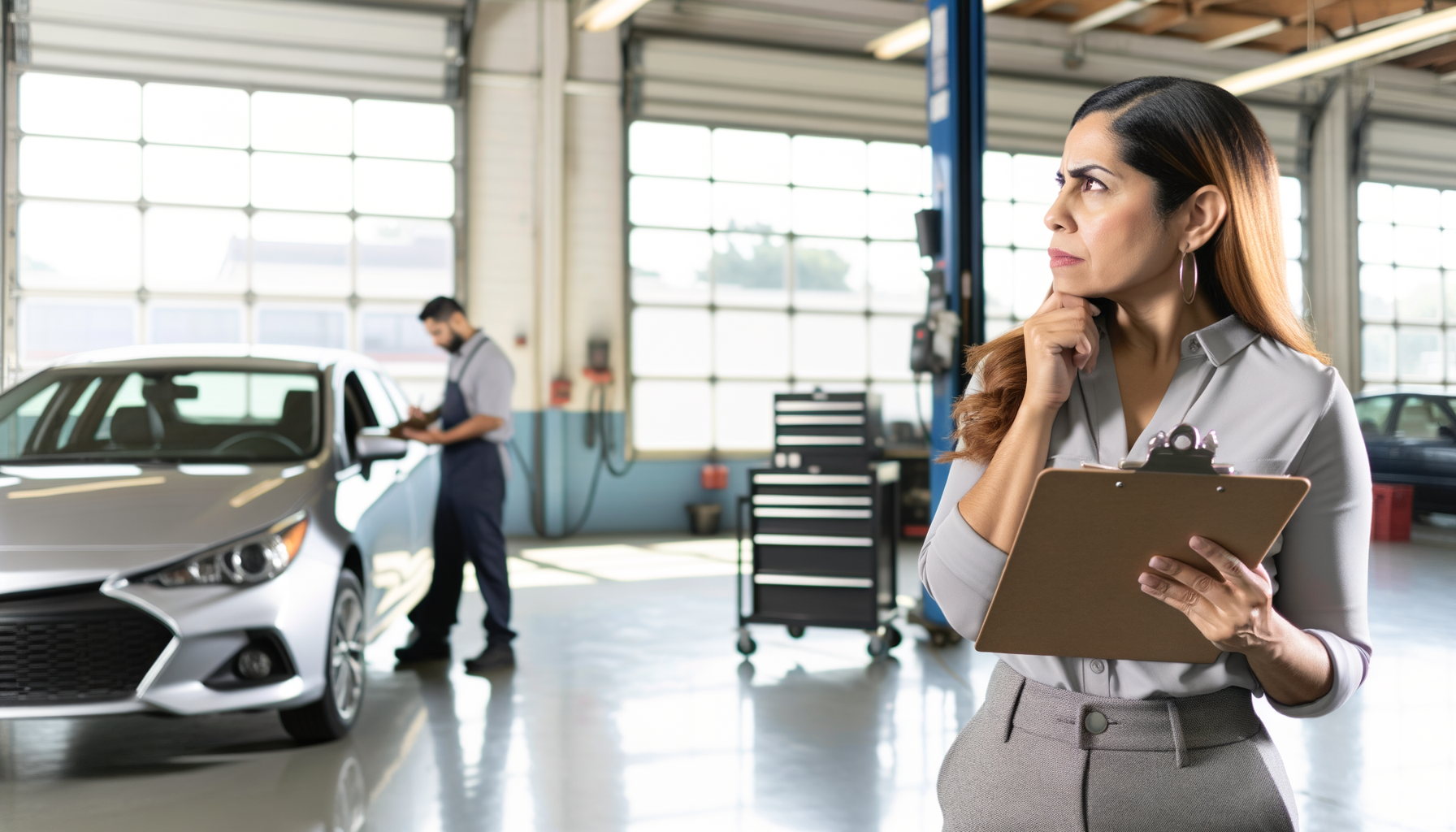
Before auto body repairs, gather insurance information, document all damage with photos, research shop certifications, obtain multiple estimates, and prepare a list of questions about repair timeline, warranty coverage, and parts quality to ensure transparent communication.
Why Does Proper Preparation Matter for Auto Body Repairs?
Preparing thoroughly before auto body repairs can save you thousands of dollars and weeks of frustration. Unlike routine maintenance, body work involves complex insurance claims, multiple repair options, and significant safety considerations. When you arrive unprepared, you're vulnerable to unnecessary repairs, inferior parts, or shops that prioritize speed over quality. Proper preparation empowers you to make informed decisions, communicate effectively with technicians, and ensure your vehicle returns to pre-accident condition. The time invested upfront in gathering documentation and researching options pays dividends in repair quality, cost control, and peace of mind throughout the process.
What Documents Should You Gather Before Visiting the Shop?
Having the right paperwork ready streamlines the entire repair process and prevents delays:
- Insurance policy details including claim number, deductible amount, and adjuster contact information
- Driver's license and vehicle registration to verify ownership and establish identity
- Police report number if the damage resulted from an accident involving other parties
- Vehicle maintenance records showing recent work that might affect repair decisions
- Any previous damage documentation to distinguish new damage from existing issues
- Rental car authorization from your insurance company if temporary transportation is needed
How Should You Document Your Vehicle's Current Condition?
Comprehensive damage documentation protects you from disputes and ensures all necessary repairs are completed. Take clear, well-lit photos from multiple angles, capturing both obvious damage and subtle issues like paint scratches or misaligned panels. Include wide shots showing the vehicle's overall condition and close-ups highlighting specific damage areas. Photograph the interior if relevant, documenting any safety system warnings or operational issues. Create a written inventory describing each damaged area, noting colors, textures, and functionality problems. This documentation becomes crucial if additional damage is discovered during repairs or if you need to prove the extent of pre-existing conditions to insurance companies.
What Research Should You Complete About Repair Shops?
Vetting potential repair shops before committing ensures quality work and fair pricing:
- Verify current business license and Better Business Bureau rating
- Confirm manufacturer certifications for your vehicle brand
- Check state licensing for auto body repair operations
- Review insurance company's preferred provider network status
- Research technician certifications (ASE, I-CAR credentials)
- Investigate warranty policies for both labor and parts
- Examine facility cleanliness and equipment modernity during visits
What Questions Should You Prepare for Shop Consultations?
Prepared questions demonstrate seriousness and help you evaluate each shop's expertise and transparency. Focus on repair methodology, timeline expectations, and quality assurance processes. Ask about their experience with your specific vehicle make and model, as modern cars often require specialized knowledge of aluminum panels, advanced driver assistance systems, or unique paint formulations. Inquire about their parts sourcing policies—whether they use OEM, aftermarket, or recycled components and how this affects warranties. Understanding their communication process helps set expectations for progress updates and ensures you'll stay informed throughout potentially lengthy repairs.
What Financial Preparation Steps Are Essential?
Understanding costs upfront prevents surprises and helps you budget appropriately:
- Calculate your insurance deductible and prepare payment method
- Research typical repair costs for your damage type to identify unreasonable estimates
- Understand your insurance coverage limits for rental cars and repair expenses
- Prepare for potential supplemental repairs discovered during disassembly
- Consider diminished value claims if your vehicle is relatively new or valuable
- Budget for any desired upgrades or improvements while repairs are underway
How Do You Prepare Your Vehicle for Drop-Off?
Properly preparing your vehicle for repair shop drop-off protects your belongings and ensures smooth intake processing. Remove all personal items, including electronics, documents, and valuables that might be damaged or misplaced during repairs. Clean out the glove compartment, center console, and trunk areas. If repairs involve interior work, thoroughly vacuum and wipe down surfaces to distinguish between pre-existing wear and repair-related damage. Document your fuel level and mileage for reference. Disable any aftermarket alarm systems that might interfere with repair work, and provide all keys including valet keys if available. This preparation demonstrates professionalism and helps establish a positive working relationship with repair staff.
What Should You Expect During the Initial Assessment?
Understanding the assessment process helps you participate effectively and ask relevant questions. Professional shops conduct systematic inspections, checking for hidden damage that wasn't immediately apparent. They'll examine structural components, safety systems, and mechanical elements that might be affected by collision damage. Expect discussions about repair versus replacement decisions for damaged parts, as this significantly impacts both cost and quality. Quality shops will explain their findings clearly, show you damaged areas, and discuss how different repair approaches affect your vehicle's safety, appearance, and resale value. This consultation phase is crucial for establishing trust and ensuring alignment on repair priorities.
What Timeline Factors Should You Discuss?
Realistic timeline expectations prevent frustration and help you plan accordingly:
- Parts ordering timeframes, especially for luxury or uncommon vehicles
- Shop's current workload and scheduling availability
- Insurance adjuster inspection requirements and timing
- Paint curing time requirements for optimal finish quality
- Quality control inspection processes before vehicle release
- Potential delays from discovering additional damage during disassembly
- Rental car coverage duration and extension procedures if needed
How Do You Evaluate Multiple Repair Estimates?
Comparing estimates requires understanding more than just final prices. Examine labor rates, parts specifications, and repair methodologies described in each estimate. Lower prices might indicate corners being cut through inferior materials, rushed timelines, or inadequate surface preparation. Higher estimates should clearly justify premium pricing through superior materials, additional services, or enhanced warranties. Pay attention to communication quality during the estimation process—shops that explain their approaches thoroughly and answer questions patiently are more likely to provide satisfactory service throughout repairs. Consider each shop's reputation within your trusted network, as personal recommendations often reveal service quality aspects that aren't apparent from estimates alone.
Frequently Asked Questions
How long should I expect auto body repairs to take?
Minor repairs typically take 2-5 days, while major collision damage can require 1-3 weeks. Timeline depends on parts availability, paint curing requirements, and shop workload. Always ask for realistic estimates during consultation.
Do I need multiple estimates for insurance claims?
While not legally required, getting 2-3 estimates helps verify fair pricing and repair quality. Some insurance companies encourage multiple estimates, and comparing options ensures you receive appropriate repairs for your claim.
What if additional damage is discovered during repairs?
Shops must contact you and your insurance company before proceeding with supplemental repairs. Review additional damage documentation carefully and ensure proper authorization before approving extra work to avoid unexpected costs.
Should I choose OEM or aftermarket parts for repairs?
OEM parts ensure perfect fit and maintain warranty coverage but cost more. Quality aftermarket parts can be acceptable for older vehicles. Discuss options with your shop and insurance company to balance cost and quality.
How do I know if a repair shop is properly certified?
Look for manufacturer certifications, ASE credentials, and I-CAR training certificates. Check state licensing requirements and verify current status. Certified shops demonstrate commitment to industry standards and ongoing technician education.
What warranty should I expect on auto body repairs?
Reputable shops offer lifetime warranties on structural repairs and 2-5 years on paint work. Warranty terms should be clearly documented before work begins. Understand what's covered and any maintenance requirements to maintain coverage.
Find Trusted Auto Body Shops in Your Network
Skip the guesswork and discover which auto body shops your friends and colleagues actually trust. Tools like Linked By Six automatically show you local businesses recommended by your personal network—see real connections from people you know before making repair decisions.
Thorough preparation transforms auto body repairs from stressful ordeals into manageable processes. By gathering proper documentation, researching shop credentials, and preparing thoughtful questions, you position yourself for successful repairs that restore your vehicle's safety, appearance, and value. Remember that the cheapest option rarely delivers the best results—focus on shops with proven track records, transparent communication, and comprehensive warranties. Your preparation efforts upfront will pay dividends in repair quality, cost control, and peace of mind throughout the process.