
Essential Post-Collision Repair Inspection Checklist
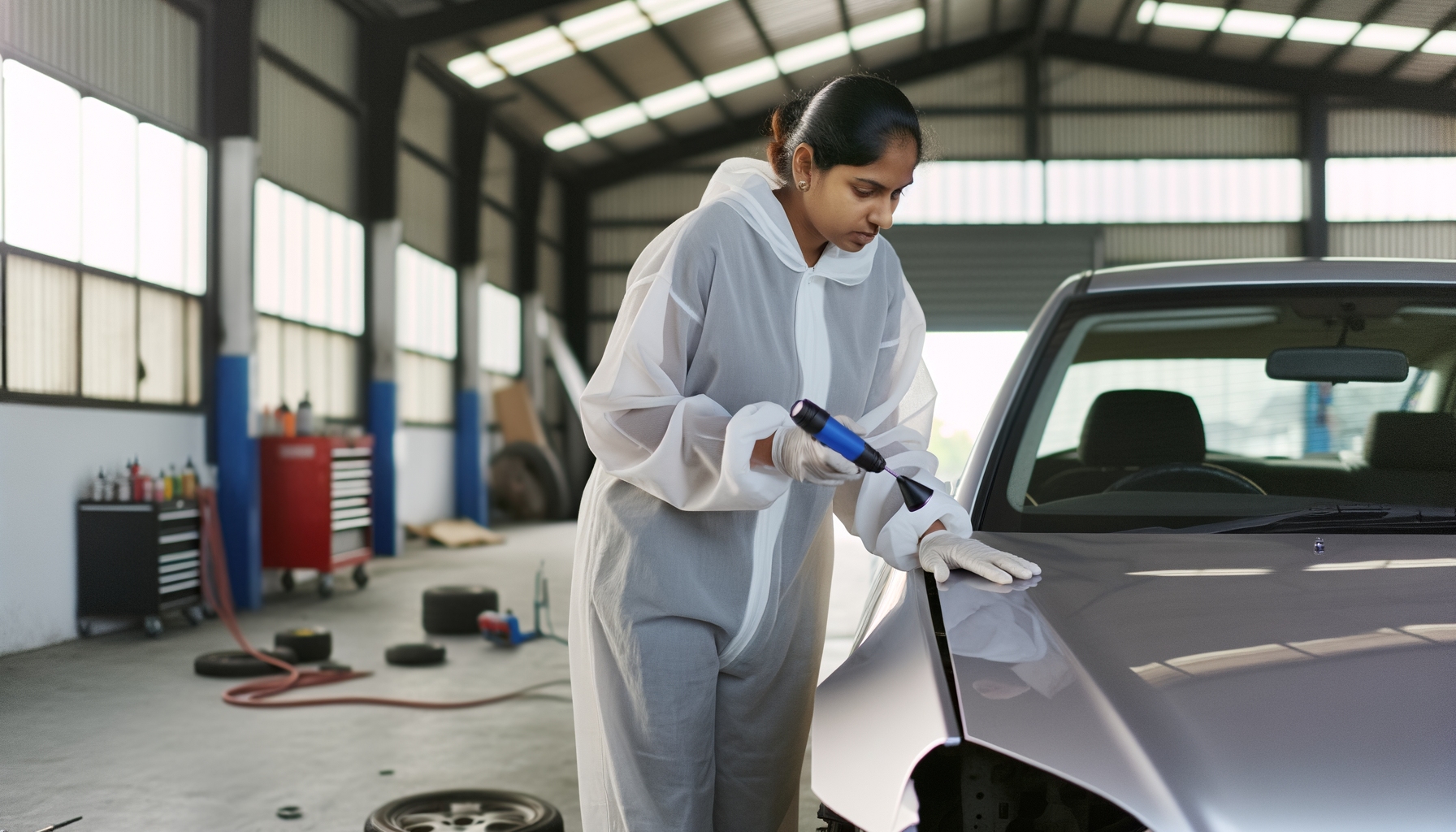
After collision repairs, inspect paint quality, panel alignment, lights, safety systems, doors, windows, and mechanical components. Test drive to check handling, braking, and steering. Document any issues immediately and request corrections before final payment.
Why Is Post-Repair Inspection Critical?
Getting your vehicle back from collision repair should feel like a victory, but your responsibility isn't over yet. A thorough post-repair inspection protects your investment, ensures your safety, and maintains your vehicle's value. Quality collision repair shops welcome careful inspection because they stand behind their work. Poor repairs can lead to ongoing mechanical issues, decreased resale value, and most importantly, compromised safety systems that protect you in future accidents. Taking 30 minutes to systematically inspect your repaired vehicle can save you thousands in future repairs and potentially save your life.
Exterior Inspection Checklist
Start with a comprehensive exterior walk-around in good lighting, preferably during daylight hours.
- Paint color matches existing panels perfectly
- No visible spray patterns, orange peel texture, or brush marks
- Panel gaps are even and consistent with undamaged areas
- All body panels align properly without protruding edges
- Bumpers sit flush and secure without sagging
- Chrome trim and moldings are properly attached
- All lights function correctly (headlights, taillights, turn signals, hazards)
- No overspray on windows, trim, or rubber seals
- Doors, hood, and trunk open and close smoothly
- No rust spots or exposed metal visible
How to Check Paint Quality and Finish
Paint problems are among the most common collision repair issues and often the most expensive to fix later.
- Run your hand along repaired surfaces to feel for roughness or texture differences
- Look for color variations by comparing repaired areas to original paint from multiple angles
- Check for 'orange peel' texture that indicates poor spray technique
- Inspect for runs, drips, or sags in the paint finish
- Verify that metallic or pearl finishes match the original sparkle and depth
- Look for masking lines where new paint meets old
- Check that clear coat coverage is uniform without cloudy or dull spots
What Interior Components Need Inspection?
Collision repairs often require removing interior components, and not all shops reassemble everything properly. Check that all interior panels fit correctly without gaps or loose edges. Test every electrical component that might have been affected, including radio, air conditioning, power windows, and charging ports. Seat belts should retract smoothly and lock properly when pulled quickly. If your vehicle has airbag warning lights illuminated, this requires immediate attention as it indicates a safety system malfunction. Inspect carpets and upholstery for stains from repair materials, and ensure floor mats fit properly without interfering with pedals.
Critical Safety Systems to Verify
Modern vehicles have sophisticated safety systems that can be affected by collision damage and repair work.
- Airbag warning lights should not be illuminated on dashboard
- Anti-lock braking system (ABS) functions without warning lights
- Electronic stability control operates normally
- Backup cameras display clear images without distortion
- Parking sensors beep at appropriate distances
- Lane departure warnings and collision avoidance systems work
- All seatbelts lock and release properly
- Emergency brake engages and disengages smoothly
How Should You Test Drive After Repairs?
A comprehensive test drive reveals problems that static inspection might miss. Start in the parking lot by testing steering responsiveness and checking that the vehicle tracks straight when driving slowly. The steering wheel should be centered and not vibrate. Brakes should feel firm and stop the vehicle evenly without pulling to one side. During highway driving, verify that the vehicle maintains proper alignment without drifting. Listen for unusual noises like rattling, squeaking, or grinding that might indicate loose components or incomplete repairs. Test acceleration to ensure the engine performs normally, and check that the transmission shifts smoothly. Pay attention to wind noise that might indicate poor door or window sealing.
Documentation and Final Steps
Proper documentation protects you if issues arise after you take possession of your repaired vehicle.
- Take detailed photos of your vehicle from multiple angles before leaving the shop
- Document any concerns or imperfections you notice, even minor ones
- Get written explanations for any issues the shop says are 'normal' or 'will settle'
- Obtain copies of all repair documentation and parts receipts
- Understand your warranty coverage and what it includes
- Save contact information for the specific technician who performed your repairs
- Schedule any recommended follow-up inspections or adjustments
When Should You Refuse to Accept Your Vehicle?
Don't feel pressured to accept your vehicle if you're not satisfied with the repairs. You have the right to refuse delivery if safety systems aren't functioning, paint quality is unacceptable, or mechanical problems exist. Reputable shops will work with you to address legitimate concerns. If the shop refuses to make necessary corrections, document everything and contact your insurance company immediately. Remember that once you sign acceptance paperwork and drive away, proving that problems existed before delivery becomes much more difficult. It's better to spend extra time at the shop ensuring everything is correct than to deal with disputes later.
The biggest mistake customers make is rushing through the inspection process. Take your time, ask questions, and don't sign anything until you're completely satisfied with the work.
Mike Rodriguez, Certified Automotive Technician with 20 years experience
Frequently Asked Questions
How long should I spend inspecting my repaired vehicle?
Plan at least 30-45 minutes for a thorough inspection, including a 10-15 minute test drive. Don't rush this process as it's your only opportunity to identify issues before accepting delivery.
What if I notice problems after driving home?
Contact the repair shop immediately and document the issues with photos. Most shops will address legitimate problems under warranty, but early notification strengthens your case.
Should I inspect my car even if insurance paid for repairs?
Absolutely. Insurance coverage doesn't guarantee quality work. You're still the vehicle owner and responsible for ensuring repairs meet acceptable standards before accepting delivery.
What tools should I bring for inspection?
Bring a flashlight, your phone camera, and a magnet to check for body filler. Good lighting is essential for spotting paint and bodywork imperfections.
Can I request a second opinion on repair quality?
Yes, you can have another shop inspect the work, though you'll typically pay for this service. This is worthwhile for expensive repairs or if you suspect quality issues.
What if the shop says minor imperfections are normal?
Get this in writing and compare the repair quality to your vehicle's original condition. Minor imperfections may be acceptable on older vehicles but not on newer ones.
Find Trusted Collision Repair Shops
The best way to avoid post-repair problems is choosing a quality shop from the start. Tools like Linked By Six help you discover which collision repair shops your friends and colleagues actually trust and recommend, giving you confidence before repairs even begin.
A thorough post-collision repair inspection is your final opportunity to ensure you receive quality work that restores your vehicle's safety, appearance, and value. Take time to systematically check exterior finish, interior components, safety systems, and mechanical function through both static inspection and test driving. Document any concerns and don't hesitate to request corrections before accepting delivery. Remember that reputable collision repair shops stand behind their work and welcome careful inspection. By following this comprehensive checklist, you protect your investment and ensure your vehicle is truly ready for safe, reliable transportation. The few extra minutes spent on proper inspection can save you significant time, money, and safety concerns down the road.