
What to Expect During Mold Remediation Services
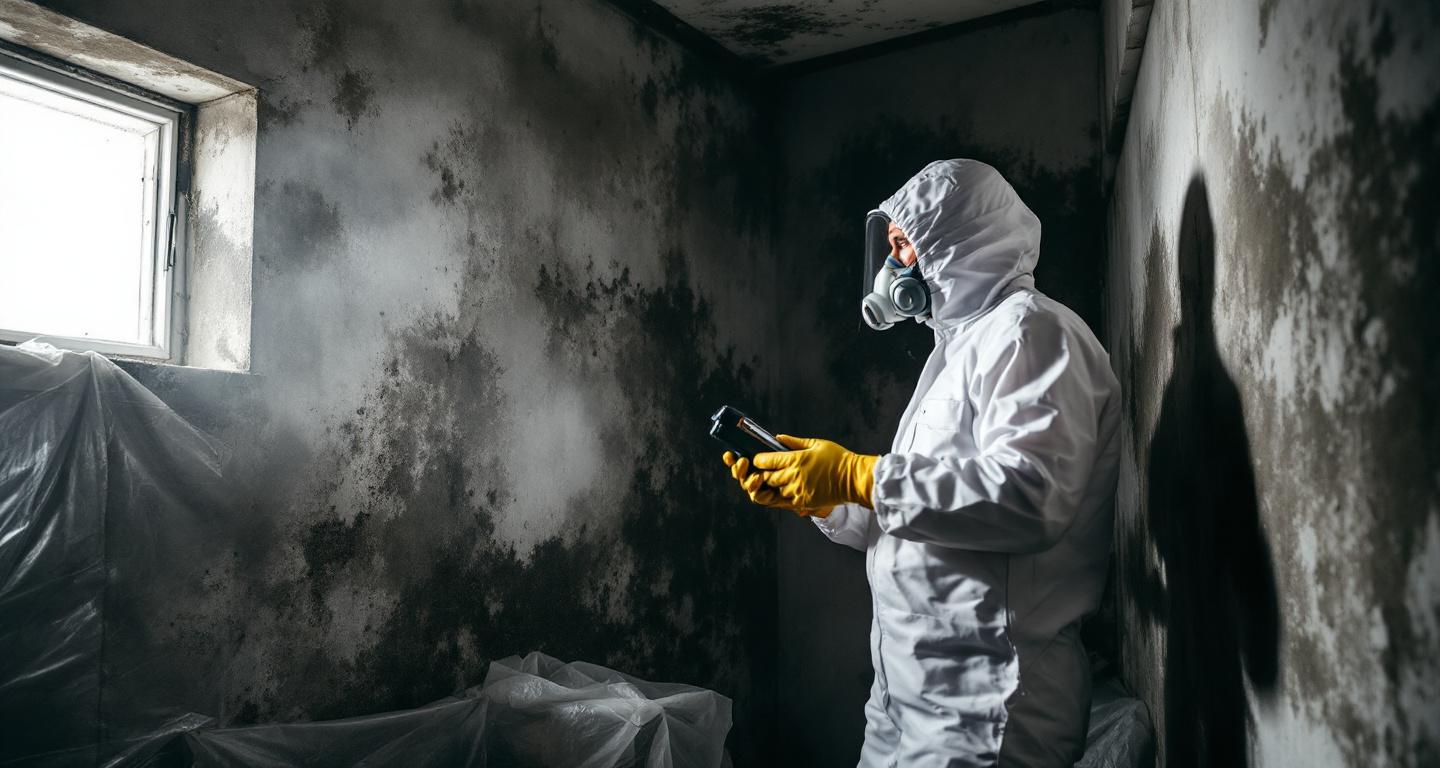
Mold remediation involves a systematic 5-step process: initial inspection and assessment, containment setup, air filtration, removal of contaminated materials, cleaning and disinfection, and final verification testing. The entire process typically takes 3-7 days depending on the extent of contamination.
What happens during the initial mold inspection?
The mold remediation process begins with a comprehensive inspection that goes far beyond what you can see on the surface. A certified mold inspector will conduct both visual examination and scientific testing to determine the full scope of the problem. They'll use moisture meters to detect hidden water sources, infrared cameras to identify temperature variations that indicate moisture problems, and air sampling equipment to measure spore concentrations throughout your home. The inspector will also examine your HVAC system, as mold can spread through ductwork and contaminate your entire home's air supply. This initial assessment typically takes 2-4 hours and results in a detailed report that outlines the type of mold present, the extent of contamination, and the recommended remediation approach. Most importantly, the inspector will identify the underlying moisture source that's feeding the mold growth, because without addressing this root cause, the mold will simply return after remediation.
What are the key steps in the remediation process?
Professional mold remediation follows a strict protocol to ensure complete removal and prevent cross-contamination:
- Containment setup with plastic sheeting and negative air pressure to prevent spore spread
- Personal protective equipment donning by all workers including respirators and full-body suits
- Removal and disposal of contaminated porous materials like drywall, insulation, and carpeting
- HEPA cleaning of all salvageable surfaces using specialized antimicrobial solutions
- Air scrubbing with industrial HEPA filtration systems running continuously throughout the process
- Final cleaning and disinfection of the entire work area before containment removal
- Post-remediation verification testing to confirm successful mold removal
How long does mold remediation typically take?
The timeline for mold remediation varies significantly based on the extent of contamination, the size of the affected area, and the materials involved. Small, localized mold problems in non-porous areas might be resolved in 1-2 days, while extensive contamination affecting multiple rooms can take 7-10 days or longer. The drying process is often the most time-consuming aspect, as affected areas must reach proper moisture levels before reconstruction can begin. Weather conditions also play a role, as high humidity can extend drying times. During the remediation process, you should expect daily progress updates from your contractor, and they should be able to provide a realistic timeline after the initial assessment. Keep in mind that rushing the process to meet an arbitrary deadline can compromise the quality of the work and lead to recurring mold problems. Professional remediation companies will also coordinate with insurance adjusters if you're filing a claim, which can add several days to the overall timeline but is essential for proper documentation.
What equipment will the remediation team use?
Professional mold remediation requires specialized equipment that most homeowners don't have access to:
- HEPA air scrubbers and negative air machines to filter airborne spores during work
- Commercial dehumidifiers and high-velocity air movers to accelerate drying
- Moisture detection equipment including pin and pinless moisture meters
- Infrared cameras to identify hidden moisture and temperature variations
- Professional-grade antimicrobial and biocide solutions for surface treatment
- Containment materials including 6-mil plastic sheeting and zipper doors
- Personal protective equipment meeting OSHA standards for mold work
- HEPA vacuums specifically designed for mold spore collection
What should you do to prepare your home?
Proper preparation can significantly impact the efficiency and success of your mold remediation project. Start by removing all personal belongings from the affected areas and adjacent rooms, as the remediation process creates dust and requires complete access to all surfaces. If you have valuable or sentimental items in the contaminated area, discuss professional content cleaning services with your remediation company, as some items can be salvaged through specialized cleaning processes. You'll also need to arrange temporary living accommodations if the mold affects large portions of your home, particularly if your HVAC system requires cleaning or if multiple rooms need remediation. Turn off your heating and cooling system to prevent spore circulation, and inform your remediation team about any pets or family members with respiratory sensitivities. Document the condition of your home with photos and video for insurance purposes, and ensure you have copies of all relevant insurance policies and documentation readily available.
Pre-remediation preparation checklist
- Remove all personal belongings from affected and adjacent areas
- Take detailed photos and videos for insurance documentation
- Arrange temporary accommodation if extensive work is needed
- Turn off HVAC system to prevent spore circulation
- Locate and organize insurance policy documents
- Identify and protect valuable items that might be salvageable
- Ensure clear access paths for equipment and workers
- Inform neighbors about the work schedule and potential noise
- Arrange care for pets during the remediation process
How much should you expect to pay?
Mold remediation costs vary dramatically based on the size of the affected area, the type of materials involved, and the complexity of the job. Small bathroom mold problems might cost $500-$1,500, while whole-house remediation can exceed $10,000-$30,000. The most expensive aspect is often the reconstruction work that follows remediation, particularly if structural materials like floor joists or wall framing are affected. Geographic location also influences pricing, with urban areas typically commanding higher rates due to increased labor costs and stricter regulations. Most reputable companies provide detailed written estimates that break down costs for inspection, remediation, and any necessary repairs. Be wary of estimates that seem significantly higher or lower than others, as this often indicates either price gouging or corner-cutting that could compromise the quality of work. Many insurance policies cover mold remediation if it results from a covered peril like a burst pipe, but coverage varies significantly between policies and insurance companies.
What happens after the remediation is complete?
The completion of mold remediation is just the beginning of your return to normal living. Professional remediation companies will conduct post-remediation verification testing to confirm that mold levels have returned to normal background levels found in typical indoor environments. This testing should be performed by an independent third-party inspector, not the remediation company itself, to ensure objectivity. You'll receive a detailed report showing before and after air quality measurements, along with photographic documentation of the completed work. The affected areas will need time to fully dry and cure before reconstruction can begin, which might add several days to your timeline. During this period, continue running dehumidifiers and maintain proper ventilation to prevent moisture accumulation. Your remediation company should also provide you with a detailed maintenance plan to prevent future mold growth, including recommendations for humidity control, ventilation improvements, and regular inspection schedules. Keep all documentation from the remediation process, as this information will be valuable for insurance purposes and future property transactions.
What red flags should you watch for during the process?
Stay alert for these warning signs that might indicate substandard work or potential problems:
- Workers not wearing proper protective equipment or changing it regularly
- Failure to establish proper containment before beginning removal work
- Skipping the moisture source identification and correction
- Promising to simply spray over mold without removing contaminated materials
- Refusing to provide detailed written estimates or work documentation
- Pressuring you to sign contracts immediately without time for review
- Beginning work before you've had time to contact your insurance company
- Using bleach or other household cleaners instead of professional-grade antimicrobials
Frequently Asked Questions
Do I need to leave my home during mold remediation?
This depends on the extent of contamination and your family's health sensitivity. For small, contained areas, you might stay in unaffected parts of your home. Extensive remediation or family members with respiratory issues typically require temporary relocation.
How can I verify that all mold has been successfully removed?
Post-remediation verification testing by an independent third-party inspector is essential. This includes air sampling and visual inspection to confirm that mold levels have returned to normal background levels found in typical homes.
Will my insurance cover mold remediation costs?
Coverage varies significantly between policies and depends on the cause of the mold. If mold results from a covered peril like a burst pipe, it's often covered. Review your policy carefully and contact your insurance company immediately.
What's the difference between mold removal and mold remediation?
Mold removal implies complete elimination, which is impossible since mold spores exist naturally everywhere. Mold remediation focuses on returning mold levels to normal, natural levels while addressing the underlying moisture problem causing growth.
How soon after water damage should I call for mold remediation?
Mold can begin growing within 24-48 hours of water exposure. Contact a professional immediately after any significant water damage, even if you don't see visible mold yet. Early intervention is much less expensive than full remediation.
Can I return to my home immediately after remediation is complete?
Only after post-remediation verification testing confirms successful mold removal and air quality has returned to normal levels. This testing should be completed by an independent inspector, not the remediation company.
Find Trusted Mold Remediation Specialists
Finding a qualified mold remediation specialist you can trust is crucial for protecting your family's health and your home's value. Tools like Linked By Six automatically show you which local mold remediation companies your friends, neighbors, and colleagues have actually used and trusted—giving you confidence before you even make contact.
Mold remediation is a complex process that requires professional expertise, specialized equipment, and strict adherence to safety protocols. Understanding what to expect helps you prepare properly, recognize quality work, and avoid common pitfalls that can compromise your family's health and safety. The key to successful remediation lies not just in removing visible mold, but in addressing the underlying moisture problem and ensuring complete spore elimination through proper testing and verification. While the process can be disruptive and expensive, professional remediation is essential for protecting both your health and your property value. Remember that the cheapest option is rarely the best choice when it comes to mold remediation—investing in quality work now prevents much more expensive problems later.