
What to Expect During HVAC Technician Services
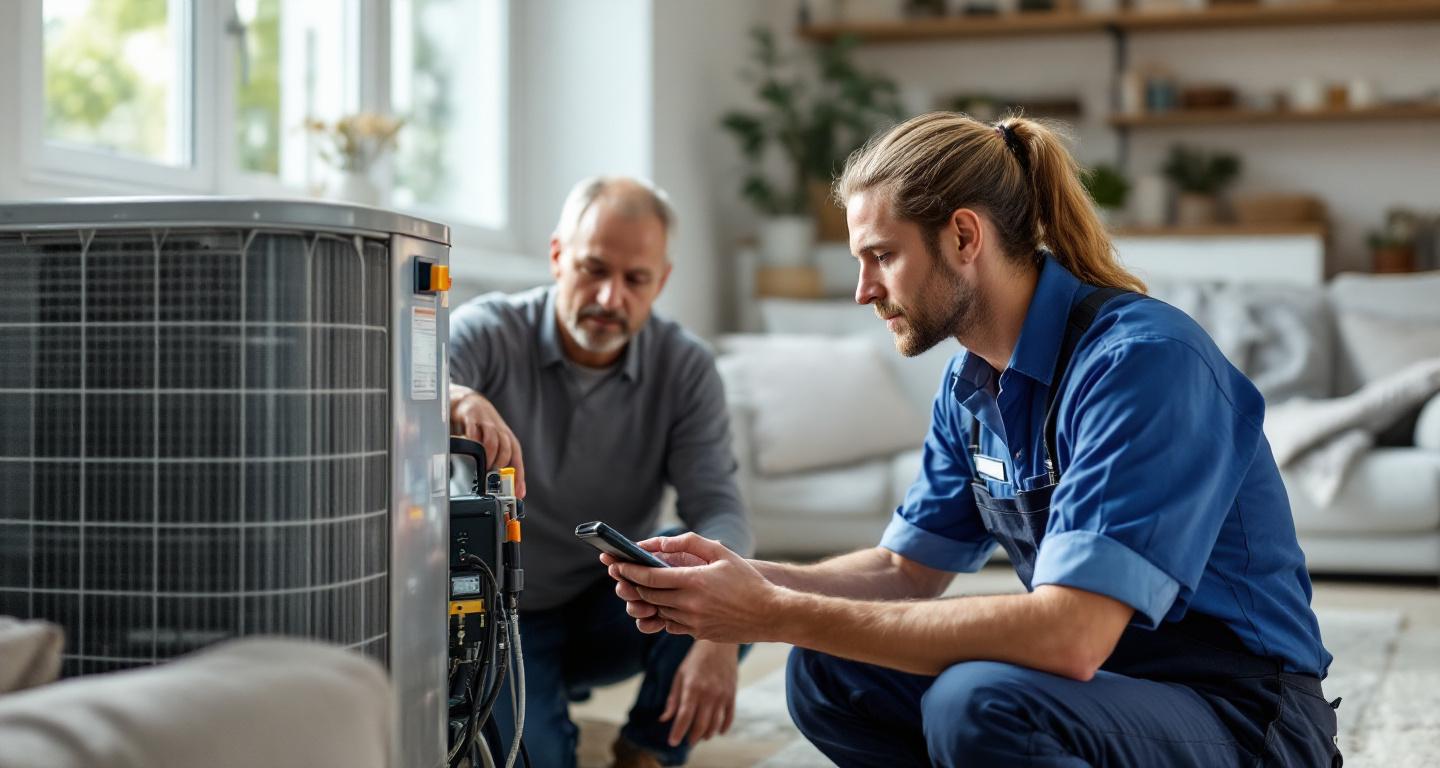
HVAC technician services typically include initial assessment, diagnostic testing, explaining findings, performing repairs or maintenance, testing system operation, and providing recommendations. Most service calls take 1-3 hours depending on complexity, with technicians explaining each step and providing upfront pricing before major work begins.
What happens during the initial assessment?
A qualified HVAC technician begins every service call with a thorough assessment of your system and the reported problem. They'll ask detailed questions about symptoms you've noticed—unusual noises, temperature inconsistencies, or changes in energy bills. The technician will review your system's maintenance history and inspect both indoor and outdoor units visually before touching any components. This initial conversation and visual inspection typically takes 15-20 minutes and helps them develop a diagnostic strategy. Professional technicians will explain what they're looking for and why, keeping you informed throughout the process. They'll also verify system specifications and check for any obvious safety concerns that need immediate attention.
What diagnostic steps do technicians perform?
Professional HVAC diagnostics follow a systematic approach to identify issues accurately:
- Temperature and pressure measurements at multiple points in the system
- Electrical testing of motors, capacitors, and control systems using specialized meters
- Airflow analysis to ensure proper circulation throughout your home
- Refrigerant level checks and leak detection if cooling issues are present
- Safety control testing including carbon monoxide and gas leak detection
- System cycle testing to observe startup, operation, and shutdown sequences
- Filter and ductwork inspection for blockages or damage affecting performance
How do technicians explain their findings?
Reputable HVAC technicians take time to clearly explain their diagnostic findings in terms you can understand. They'll show you the problematic components when possible, explain how the issue affects your system's performance, and discuss safety implications if any exist. Professional technicians use visual aids—photos of worn parts, pressure readings, or temperature measurements—to help you understand the situation. They'll distinguish between urgent repairs needed for safety or system operation versus maintenance items that can be scheduled later. Expect them to provide written estimates for recommended work, including parts and labor costs, before proceeding with any repairs beyond basic diagnostics.
What repair work might be performed during the visit?
Depending on the diagnosed issues and parts availability, technicians may complete various repairs during the service call:
- Filter replacement and basic cleaning tasks
- Thermostat calibration or battery replacement
- Minor electrical connections and wire repairs
- Capacitor or contactor replacement for motor issues
- Refrigerant charging for cooling systems
- Belt replacement and motor lubrication
- Gas valve or ignition system repairs
- Ductwork sealing for minor leaks
What testing happens after repairs are completed?
After completing any repairs or maintenance work, professional HVAC technicians perform comprehensive testing to ensure your system operates safely and efficiently. They'll run complete heating or cooling cycles, monitoring temperatures, pressures, and electrical readings to verify proper operation. The technician will test safety controls, check for gas leaks if applicable, and ensure all electrical connections are secure. They'll verify that airflow is adequate throughout your home and that the system maintains desired temperatures effectively. This testing phase typically takes 20-30 minutes and includes documenting system performance for your records. The technician should invite you to observe the testing process and explain what they're verifying at each step.
What should you prepare before the technician arrives?
Being prepared helps technicians work efficiently and ensures you get the most value from the service call:
- Clear pathways to indoor and outdoor HVAC equipment
- Locate and make accessible your system's maintenance records
- Write down specific symptoms, unusual sounds, or performance issues you've noticed
- Note when problems occur (time of day, weather conditions, system modes)
- Ensure pets are secured away from work areas for safety
- Have your thermostat manual available if you have questions about settings
- Prepare a list of questions about system maintenance or energy efficiency
How long do typical HVAC service visits take?
HVAC service visit duration varies significantly based on the complexity of issues and required repairs. Simple maintenance calls or minor repairs typically take 1-2 hours, including diagnostics, work completion, and testing. More complex problems requiring extensive diagnostics or multiple component replacement can extend to 3-4 hours. Emergency repairs during extreme weather may take longer due to increased system stress and safety considerations. Routine maintenance visits are usually the shortest, often completed within 60-90 minutes. Technicians should provide time estimates once they complete their initial assessment and understand the scope of work needed. Always ask about expected duration, especially if you need to arrange time off work or coordinate with family schedules.
What documentation should you receive?
Professional HVAC service calls should conclude with comprehensive documentation of all work performed. Expect to receive a detailed service report listing diagnostic findings, repairs completed, parts replaced, and system performance measurements. This documentation should include warranty information for new parts and labor, along with recommendations for future maintenance or repairs. Many companies provide digital reports with photos of components before and after service. You should also receive care instructions for your specific system and suggested maintenance schedules. Keep this documentation for warranty purposes, future service calls, and to track your system's service history. Quality technicians will review all documentation with you before leaving and answer questions about recommended follow-up actions.
What costs should you expect for HVAC services?
HVAC service costs vary by region, system complexity, and required work, but typical ranges include:
- Diagnostic fees: $75-$150 (often applied toward repair costs)
- Routine maintenance visits: $100-$200 annually
- Minor repairs (filters, thermostats): $100-$300
- Component replacement (capacitors, contactors): $200-$500
- Major repairs (motors, coils): $500-$1,500
- Emergency service calls: 1.5-2x standard rates
- System cleaning and tune-ups: $150-$300
How can you verify the technician's qualifications?
Legitimate HVAC technicians carry proper licensing, insurance, and certifications that you can verify before work begins. Ask to see their professional license and EPA certification for refrigerant handling—these should be current and match the technician's identification. Reputable companies provide uniformed technicians with clearly marked vehicles and professional identification badges. Many states offer online license verification systems where you can confirm credentials. Professional technicians welcome questions about their qualifications and experience with your specific system type. They should be able to explain their diagnostic approach and repair methods clearly, demonstrating expertise through their communication and systematic work approach. Trust your instincts if something feels unprofessional or if the technician pressures you into immediate expensive repairs without clear explanation.
Frequently Asked Questions
Should I stay home during HVAC service calls?
Yes, it's recommended to stay home during HVAC service visits. This allows you to ask questions, understand the work being performed, approve any additional repairs, and ensure you receive proper documentation and care instructions upon completion.
Can HVAC technicians work on any brand of equipment?
Most professional HVAC technicians can service multiple brands, but some specialize in specific manufacturers. Ask about experience with your system brand when scheduling, especially for complex repairs or warranty work that may require brand-specific parts.
What if the technician finds problems beyond the original service call?
Professional technicians should explain any additional problems discovered, provide written estimates for extra work, and get your approval before proceeding. You're not obligated to authorize repairs beyond the original service call scope without proper explanation and agreement.
How often should I schedule professional HVAC maintenance?
Most HVAC systems benefit from professional maintenance twice yearly—spring for cooling preparation and fall for heating system checks. However, system age, usage patterns, and manufacturer recommendations may suggest different schedules for optimal performance.
What should I do if I'm unsatisfied with the service provided?
Address concerns immediately with the technician or company supervisor. Reputable HVAC companies stand behind their work and will return to correct issues. Document problems and keep all service records for warranty claims or further resolution needs.
Are emergency HVAC calls more expensive than scheduled service?
Yes, emergency HVAC services typically cost 1.5-2 times standard rates due to after-hours availability and urgent response requirements. However, safety issues or complete system failures during extreme weather often justify emergency service costs.
Find Trusted HVAC Technicians
Finding reliable HVAC service requires connecting with technicians your community already trusts. Tools like Linked By Six automatically surface local HVAC companies that your friends and neighbors have used successfully—giving you confidence before you even pick up the phone. See which local providers have earned trust within your extended network, then schedule service knowing you're working with proven professionals.
Understanding what to expect during HVAC technician services helps you prepare effectively and ensures you receive quality work. Professional service calls follow predictable patterns—thorough diagnostics, clear explanations, transparent pricing, and comprehensive testing. By knowing the typical process, timeframes, and costs, you can confidently work with technicians and make informed decisions about your home's heating and cooling systems. Remember that quality HVAC service is an investment in your comfort, safety, and long-term system reliability. Choose technicians who demonstrate professionalism through clear communication, proper credentials, and systematic work approaches that prioritize your satisfaction and system performance.