
What Should You Expect During a Home Inspection?
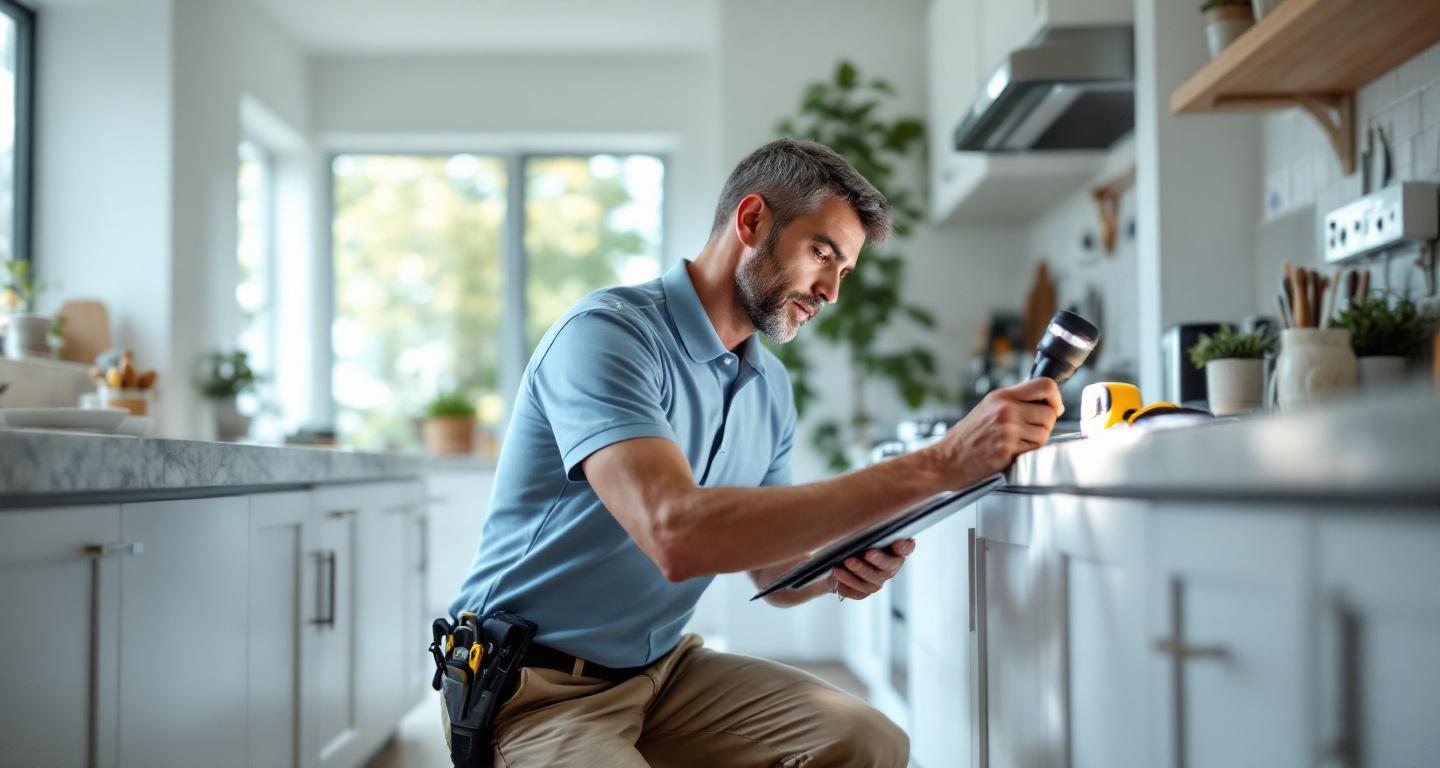
A typical home inspection takes 2-4 hours, during which a certified inspector examines structural, electrical, plumbing, HVAC systems, and safety features. You'll receive a detailed report within 24-48 hours highlighting any issues that need attention before closing.
How long does a home inspection typically take?
Most home inspections take between 2-4 hours, depending on the property's size, age, and complexity. A 1,500 square foot home built in the last decade might take 2-3 hours, while older or larger properties can extend to 4-5 hours. The inspector won't rush through the process—thoroughness is more important than speed. During this time, they're examining every accessible area of the home, from the foundation to the roof. Plan to be present for at least part of the inspection, especially the final walkthrough when the inspector summarizes their findings.
What systems and areas will the inspector examine?
Home inspectors follow a comprehensive checklist covering all major systems and structural components:
- Structural elements including foundation, framing, floors, walls, and roof structure
- Exterior components like siding, windows, doors, walkways, and drainage systems
- Electrical systems including panels, outlets, switches, and wiring throughout the home
- Plumbing systems covering water supply, drainage, fixtures, and water heater functionality
- HVAC systems including heating, cooling, ductwork, and ventilation components
- Interior elements like walls, ceilings, floors, stairs, and built-in appliances
- Insulation and ventilation in attics, crawl spaces, and other accessible areas
- Safety features including smoke detectors, carbon monoxide detectors, and GFCI outlets
Should you attend the home inspection?
Absolutely—attending your home inspection is one of the most valuable learning opportunities in the home buying process. While you don't need to shadow the inspector for the entire 3-4 hours, being present for the final hour allows you to ask questions and understand any issues firsthand. The inspector can show you where important shutoffs are located, explain maintenance needs, and clarify anything in their findings. This is also your chance to learn about your potential new home's unique characteristics and quirks. However, give the inspector space to work—they need to focus on their systematic evaluation without constant interruption.
How should you prepare for the inspection day?
Proper preparation ensures the inspection goes smoothly and covers everything thoroughly:
- Ensure all utilities (electricity, gas, water) are turned on and functioning
- Clear access to electrical panels, water heater, furnace, and crawl spaces
- Remove personal belongings from areas that need inspection access
- Provide any documentation about recent repairs or warranty information
- Prepare a list of specific concerns or questions about the property
- Arrange for pets to be secured or removed during the inspection
- Plan to arrive for the final walkthrough to review findings
What happens if problems are discovered?
Finding issues during a home inspection is completely normal—even new homes can have problems. The key is understanding which issues are minor maintenance items versus major concerns that affect safety or require significant expense. Your inspector will categorize findings by severity, helping you prioritize what needs immediate attention. Minor issues like loose handrails or missing weather stripping are common and easily fixed. Major issues like foundation problems, electrical hazards, or roof damage may require professional evaluation and could affect your purchase decision. Remember, the inspection report is a negotiating tool—you can request repairs, ask for credits, or adjust your offer based on the findings.
When will you receive the inspection report?
Most professional inspectors provide their detailed report within 24-48 hours of completing the inspection. This comprehensive document includes photographs, descriptions of all systems examined, and clear explanations of any issues discovered. The report typically ranges from 20-50 pages, depending on the property size and number of findings. Modern inspection reports include high-resolution photos showing exactly where problems are located, making it easy to understand the inspector's concerns. Some inspectors provide preliminary findings on-site, but the written report is what you'll use for negotiations with the seller and planning future maintenance.
What limitations should you understand about home inspections?
While home inspections are thorough, it's important to understand their scope and limitations:
- Inspectors can't see inside walls, under floors, or in other inaccessible areas
- They don't test every single outlet, fixture, or component in the home
- Seasonal issues may not be apparent (like heating problems during summer)
- Inspectors identify problems but don't provide repair cost estimates
- Some specialized systems may require additional expert evaluation
- Cosmetic issues and personal preferences aren't typically addressed
How do you choose a qualified home inspector?
The quality of your inspection depends entirely on your inspector's expertise and thoroughness. Look for inspectors certified by recognized organizations like the American Society of Home Inspectors (ASHI) or the International Association of Certified Home Inspectors (InterNACHI). Experience matters—an inspector who's evaluated hundreds of homes in your area will spot issues that newcomers might miss. Professional inspectors carry errors and omissions insurance and provide sample reports so you can see their thoroughness. The cheapest option isn't always the best value when you're making the largest purchase of your life. Personal recommendations from trusted sources who've had positive experiences carry more weight than anonymous online reviews, as they can speak to the inspector's communication style and attention to detail.
A good home inspector doesn't just identify problems—they educate you about your home's systems and help you understand what normal maintenance looks like versus what requires professional attention.
Mike Thompson, ASHI Certified Inspector with 15 years experience
What questions should you ask your inspector?
Don't hesitate to ask questions during and after the inspection. Inquire about the age and remaining lifespan of major systems like the roof, HVAC, and water heater. Ask about maintenance recommendations and which issues should be prioritized for repair. If something seems unclear in the report, request clarification—good inspectors welcome follow-up questions. Ask about the severity of any problems discovered and whether they recommend additional specialized inspections. Understanding the 'why' behind their findings helps you make informed decisions about the property and prepares you for future homeownership responsibilities.
Frequently Asked Questions
Can I use the inspection report to negotiate with the seller?
Yes, the inspection report is a valuable negotiating tool. You can request repairs, ask for credits toward closing costs, or adjust your offer price based on significant findings that weren't apparent during your initial viewing.
What if the seller refuses to make requested repairs?
You typically have several options: accept the property as-is, negotiate a price reduction to cover repair costs, or walk away from the purchase if your contract includes an inspection contingency clause.
Do I need to be present for the entire inspection?
While not required, attending at least the final walkthrough is highly recommended. This allows you to ask questions, understand any issues firsthand, and learn about your potential home's systems and maintenance needs.
How much does a typical home inspection cost?
Home inspection costs typically range from $300-$600, depending on your location and home size. While this might seem expensive, it's a small price compared to discovering major issues after closing.
What happens if major problems are found after I've already bought the house?
Once you close, you generally own any problems with the property. This is why a thorough pre-purchase inspection is crucial. Some issues may be covered by home warranties or insurance, depending on the cause.
Are there issues that inspectors commonly miss?
Inspectors can't see inside walls or inaccessible areas, so some problems like hidden water damage, pest infestations, or electrical issues within walls might not be detected during a standard visual inspection.
Find a Trusted Home Inspector
Finding the right home inspector is crucial for your peace of mind and investment protection. Rather than relying on random online searches, tools like Linked By Six can show you which local inspectors your friends, colleagues, and neighbors have actually used and trusted. See real connections and experiences from your network before making this important decision.
A professional home inspection is your opportunity to understand exactly what you're buying and plan for future maintenance needs. While the process might seem overwhelming, knowing what to expect helps you prepare effectively and make the most of this crucial step in the home buying process. Remember that finding problems isn't necessarily bad news—it's information that empowers you to negotiate fairly and enter homeownership with realistic expectations. The key is working with a qualified inspector who communicates clearly and helps you understand not just what they found, but what it means for your future in the home.