
What to Expect During Fire Damage Restoration Services
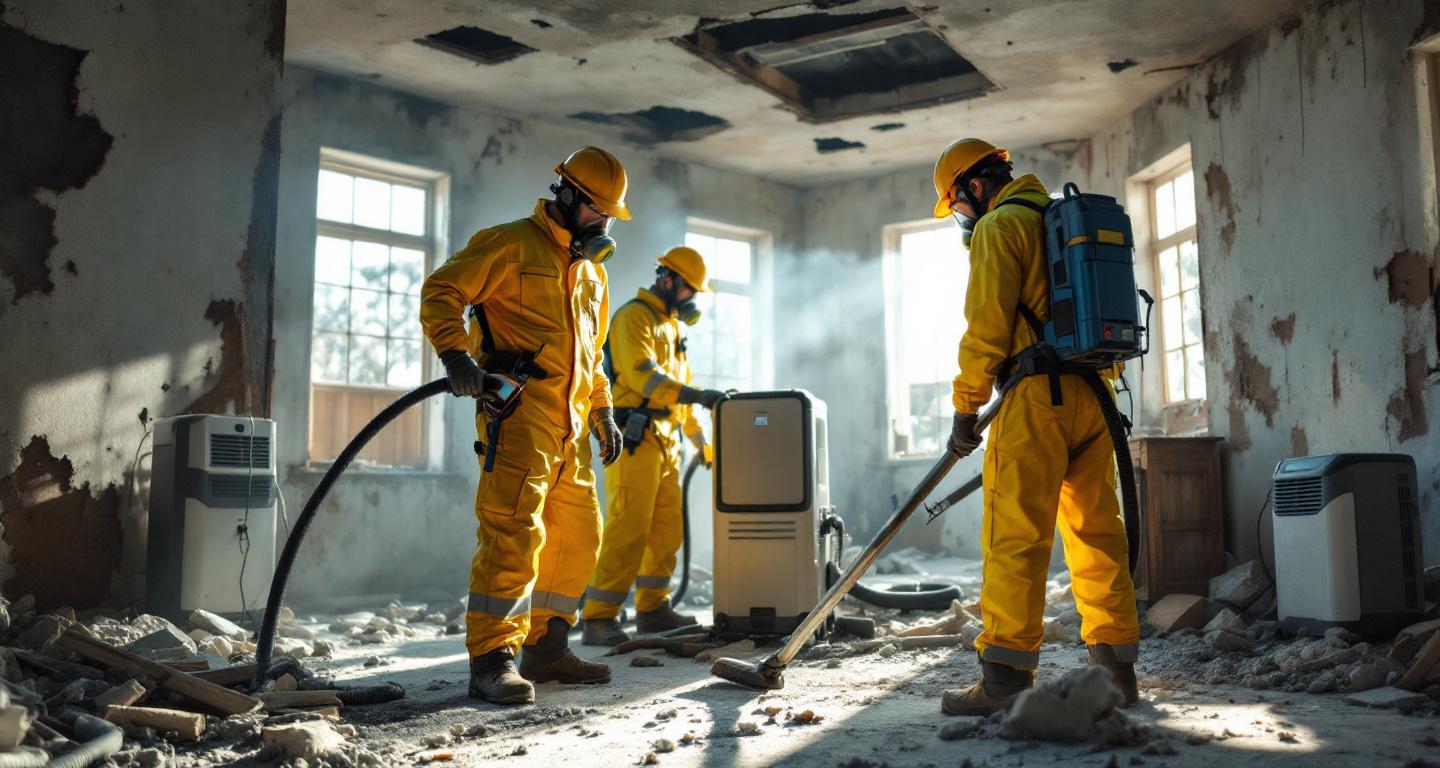
Fire damage restoration typically involves seven phases: emergency response, assessment, board-up/tarping, water removal, smoke/soot cleanup, sanitization, and reconstruction. The complete process takes 2-6 months depending on damage severity, with costs ranging from $3,000-$50,000 covered partially by most homeowner insurance policies.
What Happens During the Initial Emergency Response?
The first 24-48 hours after fire damage are critical for preventing additional damage. Professional restoration companies should arrive within 1-4 hours of your call to begin emergency stabilization. During this phase, technicians will secure your property, assess immediate safety hazards, and begin damage mitigation. They'll check for structural integrity, electrical hazards, and potential contamination from firefighting chemicals. The emergency response team will also document everything with photos and detailed notes for insurance purposes. This initial assessment determines whether the property is safe to enter and what immediate steps are needed to prevent further deterioration. Quick response during this phase can significantly reduce overall restoration costs and timeline.
What Are the 7 Key Phases of Fire Restoration?
Professional fire damage restoration follows a systematic approach to ensure thorough recovery:
- Emergency contact and response (1-4 hours) - Initial assessment and property securing
- Damage inspection and assessment (Day 1-2) - Detailed evaluation and restoration planning
- Board-up and roof tarping (Day 1-3) - Weather protection and security measures
- Water removal and drying (Week 1-2) - Extracting firefighting water and preventing mold
- Smoke and soot removal (Week 2-4) - Deep cleaning of all affected surfaces and contents
- Sanitization and deodorization (Week 3-5) - Eliminating odors and potential health hazards
- Restoration and reconstruction (Month 2-6) - Rebuilding and returning property to pre-loss condition
How Long Does Fire Damage Restoration Take?
The timeline for fire damage restoration varies significantly based on the extent of damage, size of the property, and complexity of reconstruction needed. Minor smoke damage might be resolved in 2-4 weeks, while major structural fires can take 4-6 months or longer. The cleaning and mitigation phases typically account for the first 2-6 weeks, while reconstruction can extend the timeline considerably. Weather conditions, permit approvals, and material availability also impact duration. Insurance claim processing can add additional time, especially if there are disputes about coverage or scope of work. Reputable restoration companies will provide realistic timelines upfront and update you regularly on progress. Keep in mind that rushing the process, particularly the drying and deodorization phases, can lead to long-term problems like persistent odors or mold growth.
What Types of Damage Will Restoration Address?
Fire damage restoration encompasses multiple types of damage beyond just flame damage:
- Structural fire damage - Burned framing, roofing, walls, and foundational elements
- Smoke damage - Soot deposits, discoloration, and penetrating odors throughout the property
- Water damage - From firefighting efforts, often affecting areas untouched by flames
- Heat damage - Warped materials, cracked windows, and damaged electronics from extreme temperatures
- Chemical damage - Corrosion from firefighting foams and retardants
- Content damage - Personal belongings affected by smoke, heat, water, or direct fire exposure
What Equipment and Techniques Should Professionals Use?
Professional fire damage restoration requires specialized equipment and proven techniques that aren't available to DIY efforts. Industrial-grade air scrubbers with HEPA filters remove microscopic soot particles from the air, while thermal foggers neutralize deep-penetrating odors. Powerful water extraction equipment and commercial dehumidifiers address water damage from firefighting efforts. Ultrasonic cleaning tanks restore contents like jewelry and small electronics, while dry ice blasting can clean delicate surfaces without chemicals. Professional-grade cleaning products specifically formulated for soot and smoke residue are essential for proper restoration. Moisture meters and thermal imaging cameras help detect hidden water damage that could lead to mold problems. The restoration team should also use proper personal protective equipment (PPE) throughout the process, as fire-damaged environments contain numerous health hazards including asbestos, lead, and toxic combustion byproducts.
How Much Does Fire Damage Restoration Cost?
Fire damage restoration costs vary dramatically based on the extent of damage, property size, and local market rates. Minor smoke damage restoration might cost $3,000-$8,000, while major structural fires can exceed $50,000-$100,000 or more. Water damage remediation typically adds $2,000-$10,000 to the total cost. Content cleaning and restoration can range from $1,000-$15,000 depending on the volume and value of affected items. Most homeowner's insurance policies cover fire damage restoration, but you'll be responsible for your deductible and any costs that exceed policy limits. Get detailed written estimates from multiple restoration companies, and ensure they include all phases of work. Be wary of contractors who offer to waive your insurance deductible, as this practice is often illegal and can indicate other problematic business practices.
What Should You Verify Before Hiring a Restoration Company?
Use this checklist to evaluate potential fire damage restoration companies:
- Valid license and insurance for restoration work in your state
- 24/7 emergency response availability with guaranteed response times
- IICRC (Institute of Inspection, Cleaning and Restoration Certification) certified technicians
- Experience specifically with fire damage restoration, not just general contracting
- Detailed written estimates covering all phases of restoration work
- Direct insurance billing capabilities and claims assistance experience
- References from recent fire damage restoration projects
- Proper equipment including industrial dehumidifiers, air scrubbers, and cleaning systems
- Written warranty on restoration work performed
- Clear timeline and communication protocols throughout the project
What Red Flags Should You Watch For?
Be cautious of restoration companies that exhibit these warning signs:
- Door-to-door solicitation immediately after a fire incident
- Demands for large upfront payments before work begins
- Offers to waive your insurance deductible or inflate insurance claims
- Lacks proper licensing, bonding, or insurance documentation
- Provides only verbal estimates without detailed written scope of work
- Pressures you to sign contracts immediately without time to review
- Cannot provide local references from recent similar projects
- Quotes significantly lower than other professional estimates
- Lacks specialized fire restoration equipment and relies only on basic tools
How Should You Prepare for the Restoration Process?
Preparing for fire damage restoration helps ensure a smoother process and better outcomes. Document all damage with photos and videos before any cleanup begins, as this supports your insurance claim. Contact your insurance company immediately to start the claims process, and keep detailed records of all communications. If it's safe to enter the property, remove important documents, medications, and essential items, but avoid disturbing damaged areas unnecessarily. Arrange temporary housing if needed, as restoration work often requires the property to be vacant for extended periods. Notify your mortgage company and utility providers about the situation. Create an inventory of damaged personal property with descriptions, ages, and estimated values. Keep receipts for all additional living expenses, as many insurance policies cover temporary housing and meals. Be prepared for the emotional aspects of the process, as seeing your damaged home and belongings can be overwhelming.
The key to successful fire damage restoration is working with professionals who understand that every fire is unique. Cookie-cutter approaches don't work when dealing with the complex interaction of fire, smoke, water, and chemical damage.
Mike Thompson, Certified Fire and Smoke Restoration Technician
What Happens During Content Restoration?
Content restoration is often overlooked but represents a significant portion of fire damage recovery. Professional restoration companies will inventory all affected personal property and categorize items as restorable, non-restorable, or requiring specialized treatment. Clothing and textiles typically go through specialized cleaning processes that remove smoke odors and soot without damaging fabrics. Electronics and appliances need careful evaluation, as smoke can cause corrosion that leads to failure months later. Important documents can often be restored using freeze-drying and other specialized techniques. Artwork, antiques, and heirlooms may require specialists in fine art restoration. The restoration company should provide detailed inventories and work with your insurance adjuster to determine what can be restored cost-effectively versus what should be replaced. Many restoration companies offer pack-out services, removing contents to off-site facilities for cleaning and storage during property restoration.
Frequently Asked Questions
How quickly should fire damage restoration begin?
Fire damage restoration should begin within 24-48 hours to prevent additional damage. Immediate response helps minimize smoke penetration, prevents mold growth from water damage, and reduces overall restoration costs significantly.
Will my homeowner's insurance cover fire damage restoration?
Most homeowner's insurance policies cover fire damage restoration including cleanup, repairs, and temporary living expenses. However, coverage limits vary, and you'll be responsible for your deductible and any costs exceeding policy limits.
Can I stay in my home during fire damage restoration?
Usually no. Fire-damaged homes often have safety hazards, air quality issues, and require extensive equipment operation. Most restoration work requires the property to be vacant for both safety and efficiency reasons.
How do professionals remove smoke odors permanently?
Professional odor removal uses multiple techniques including thermal fogging, ozone treatment, hydroxyl generators, and sealing affected surfaces. Complete odor elimination often requires 2-4 weeks of specialized treatment depending on damage severity.
What's the difference between fire damage restoration and reconstruction?
Restoration involves cleaning and repairing existing materials to pre-loss condition, while reconstruction involves rebuilding damaged structural elements. Most fire damage projects involve both restoration and reconstruction phases.
Should I clean anything myself before professionals arrive?
No, avoid cleaning fire damage yourself. Improper cleaning can spread soot, make professional restoration more difficult, and expose you to toxic substances. Wait for professional assessment and equipment.
Find Trusted Fire Restoration Professionals
When facing fire damage, you need restoration professionals with proven track records and proper certifications. Tools like Linked By Six can help you discover which local fire restoration companies your trusted connections have actually used and recommend—giving you confidence during this stressful time.
Fire damage restoration is a complex process that requires professional expertise, specialized equipment, and systematic approach to ensure complete recovery. Understanding the seven phases of restoration, realistic timelines, and what to expect from professional services helps you make informed decisions during a stressful time. Remember that the lowest bid isn't always the best value—focus on finding certified professionals with proven experience in fire damage restoration. Proper restoration not only returns your property to pre-loss condition but also ensures the safety and health of your family for years to come. Take time to verify credentials, check references, and understand the scope of work before signing contracts. With the right professional team, your property can be fully restored to a safe, comfortable home once again.