
What to Expect During Professional Pool Service
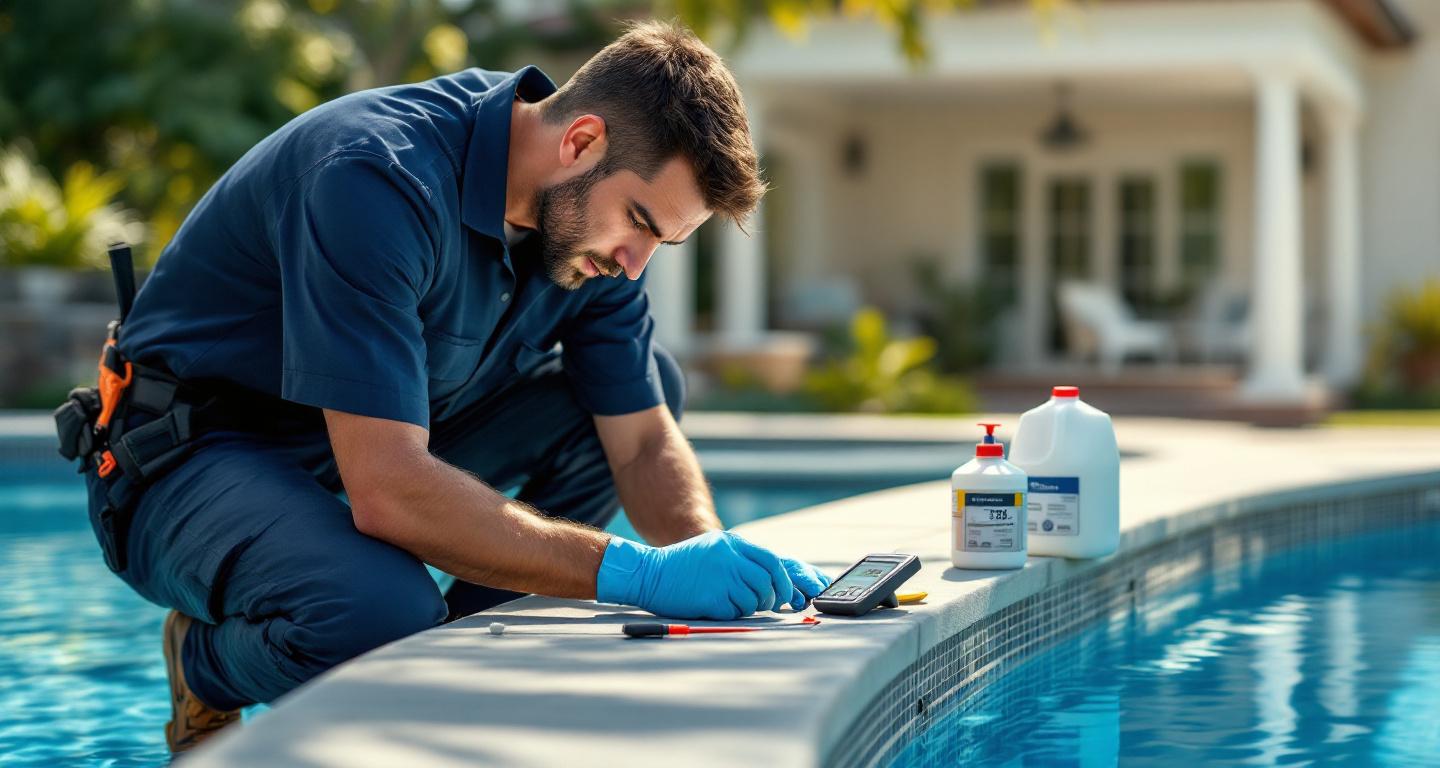
Professional pool service typically includes water testing, chemical balancing, skimming debris, vacuuming, brushing surfaces, emptying baskets, and equipment inspection. Most visits last 30-60 minutes and occur weekly during swimming season, with technicians documenting all work performed.
What happens during the initial pool service visit?
Your first pool service appointment sets the foundation for ongoing care. The technician will conduct a comprehensive assessment of your pool's current condition, test water chemistry levels, and document equipment specifications. They'll photograph any existing issues, check your filtration system, and establish baseline readings for pH, chlorine, alkalinity, and other chemical levels. This initial visit typically takes longer than regular maintenance visits—often 60-90 minutes—as the technician familiarizes themselves with your specific pool setup, discusses your preferences, and creates a customized service plan. Expect detailed questions about your swimming habits, any recurring problems, and your budget for repairs or upgrades.
What's the step-by-step pool service process?
Professional pool technicians follow a systematic approach to ensure thorough, consistent service:
- Water testing using digital or strip tests to measure pH, chlorine, alkalinity, calcium hardness, and cyanuric acid levels
- Skimming the surface to remove leaves, insects, and floating debris using professional nets
- Emptying and cleaning skimmer baskets and pump strainer baskets to maintain proper water flow
- Brushing pool walls, steps, and tile line to prevent algae buildup and remove stuck-on debris
- Vacuuming the pool floor using manual or automatic equipment, depending on pool type and service level
- Adding necessary chemicals to balance water chemistry, typically chlorine, pH adjusters, and algaecides
- Inspecting equipment including pumps, filters, heaters, and automatic cleaners for proper operation
- Documenting service performed and leaving a detailed report with chemical readings and recommendations
How long does a typical pool service visit take?
Standard pool service visits range from 30-60 minutes, depending on pool size, condition, and service package level. Smaller residential pools (under 20,000 gallons) with basic cleaning typically require 30-45 minutes, while larger pools or those needing extensive cleaning can take up to an hour. The time investment varies seasonally—spring opening services might take 2-3 hours due to winter cleanup needs, while regular summer maintenance is much quicker. Weather conditions also impact timing; after storms or heavy winds, expect longer visits as technicians address increased debris and potential chemical imbalances. Premium service packages that include additional tasks like tile cleaning, pool equipment maintenance, or water feature care will extend visit duration accordingly.
What chemicals and equipment do technicians bring?
Professional pool service technicians arrive equipped with everything needed for comprehensive pool care:
- Professional-grade chemicals including liquid chlorine, muriatic acid, sodium bicarbonate, and specialty algaecides
- Digital water testing equipment or comprehensive test strip systems for accurate chemical readings
- Commercial cleaning tools like telescoping poles, brushes, leaf nets, and vacuum equipment
- Portable chemical feeders and measuring devices for precise chemical application
- Basic repair tools for minor equipment adjustments and replacements
- Safety equipment including gloves, eye protection, and chemical storage containers
- Documentation materials for recording service details and chemical levels
What should you prepare before the technician arrives?
Proper preparation ensures efficient service and helps technicians do their best work. Clear the pool area of toys, floats, and furniture that might obstruct access to skimmers, equipment, or cleaning areas. Ensure gates are unlocked and pathways to the pool are clear. If you have dogs, secure them away from the work area for safety. Make sure the pool equipment is running normally—don't turn off pumps unless specifically instructed. Have any previous service reports or chemical logs available, especially for new service providers. If you've noticed specific problems like algae growth, equipment noises, or water quality issues, document these concerns in writing so you don't forget to mention them. Finally, ensure someone over 18 is present during the first few visits to answer questions and approve any additional services.
What questions should you ask during service visits?
- What were today's chemical readings and how do they compare to ideal ranges?
- Are there any equipment issues or maintenance needs I should be aware of?
- How does my pool's condition compare to others you service?
- What can I do between visits to help maintain water quality?
- Are there any seasonal changes in service needs I should expect?
- What signs should prompt me to call for additional service?
- How do weather conditions affect my pool's chemical needs?
- Are there any cost-effective upgrades that would reduce maintenance needs?
When might additional services be recommended?
Beyond routine maintenance, pool technicians may recommend additional services based on your pool's specific needs. Green pool recovery becomes necessary when algae blooms occur, requiring intensive chemical treatment and multiple visits. Filter cleaning or replacement is typically needed monthly to quarterly, depending on bather load and environmental factors. Acid washing may be suggested for stained or heavily scaled pool surfaces, usually performed every few years. Equipment repairs or replacements become apparent during routine inspections—pumps, heaters, and automatic cleaners have finite lifespans. Seasonal services like winterization and spring openings require specialized procedures beyond weekly maintenance. Some technicians also offer tile cleaning, deck pressure washing, or water feature maintenance as add-on services to keep your entire pool area pristine.
How do you evaluate if your pool service is effective?
Effective pool service produces consistently clear, balanced water that's safe and enjoyable for swimming. Your water should remain crystal clear between visits, with no algae growth, cloudy conditions, or strong chemical odors. Chemical readings should stay within ideal ranges—pH between 7.2-7.6, chlorine at 1-3 ppm, and alkalinity between 80-120 ppm. Equipment should run smoothly without unusual noises, leaks, or frequent breakdowns. A quality service provider leaves detailed reports after each visit, responds promptly to your questions, and proactively identifies potential problems before they become expensive repairs. You should notice that your pool requires fewer emergency services or chemical corrections over time as the technician learns your pool's specific needs. Trust your instincts—if water quality is inconsistent, communication is poor, or you feel pressured into unnecessary services, it may be time to evaluate other options.
The best pool technicians don't just maintain your water—they become partners in protecting your investment. They'll teach you warning signs to watch for and help you understand your pool's unique characteristics.
Mike Chen, Certified Pool Operator with 15 years experience
Frequently Asked Questions
How often should pool service visits occur?
Most pools need weekly service during swimming season (spring through fall) and bi-weekly or monthly service during winter months when the pool isn't in use. Frequency depends on bather load, weather conditions, and pool equipment.
Should I be home during pool service visits?
You don't need to be present for routine visits once you've established service, but being available during initial visits helps communicate your needs and preferences. Many pool owners prefer scheduled service when they're at work.
What happens if it's raining during scheduled service?
Light rain doesn't prevent pool service, but heavy storms may cause rescheduling for safety reasons. Rain actually increases the need for chemical balancing, so service shortly after storms is often beneficial.
How much do pool chemicals typically cost per month?
Chemical costs vary by pool size and usage but typically range from $30-80 monthly for residential pools. Professional-grade chemicals used by services are often more cost-effective than retail products despite higher service fees.
Can I reduce service frequency to save money?
While possible, reducing service frequency often leads to bigger problems and higher costs long-term. Bi-weekly service might work for well-maintained pools with good equipment, but weekly service prevents most major issues.
What should I do if my pool turns green between service visits?
Contact your pool service immediately for emergency treatment. Don't add random chemicals yourself, as this can complicate the recovery process. Document when you first noticed the problem to help with diagnosis.
Find Trusted Pool Service Professionals
Finding a reliable pool service provider is crucial for protecting your investment and ensuring safe swimming conditions. Tools like Linked By Six automatically connect you with pool professionals your trusted network already uses—see which local services your friends and neighbors recommend before you search. This saves you from the trial-and-error process of finding quality pool care.
Professional pool service involves much more than just adding chlorine and skimming leaves. Quality technicians provide comprehensive water testing, equipment maintenance, and proactive problem prevention that keeps your pool safe and swim-ready year-round. Understanding what to expect during service visits helps you evaluate providers, ask informed questions, and maintain realistic expectations. The investment in professional pool service typically pays for itself through prevented repairs, extended equipment life, and consistent water quality. Remember that the cheapest option isn't always the best value—focus on finding experienced professionals who communicate clearly, provide detailed service reports, and demonstrate genuine expertise in pool chemistry and equipment maintenance. Your pool is a significant investment that deserves knowledgeable, reliable care.