
What to Expect During Professional Pest Control
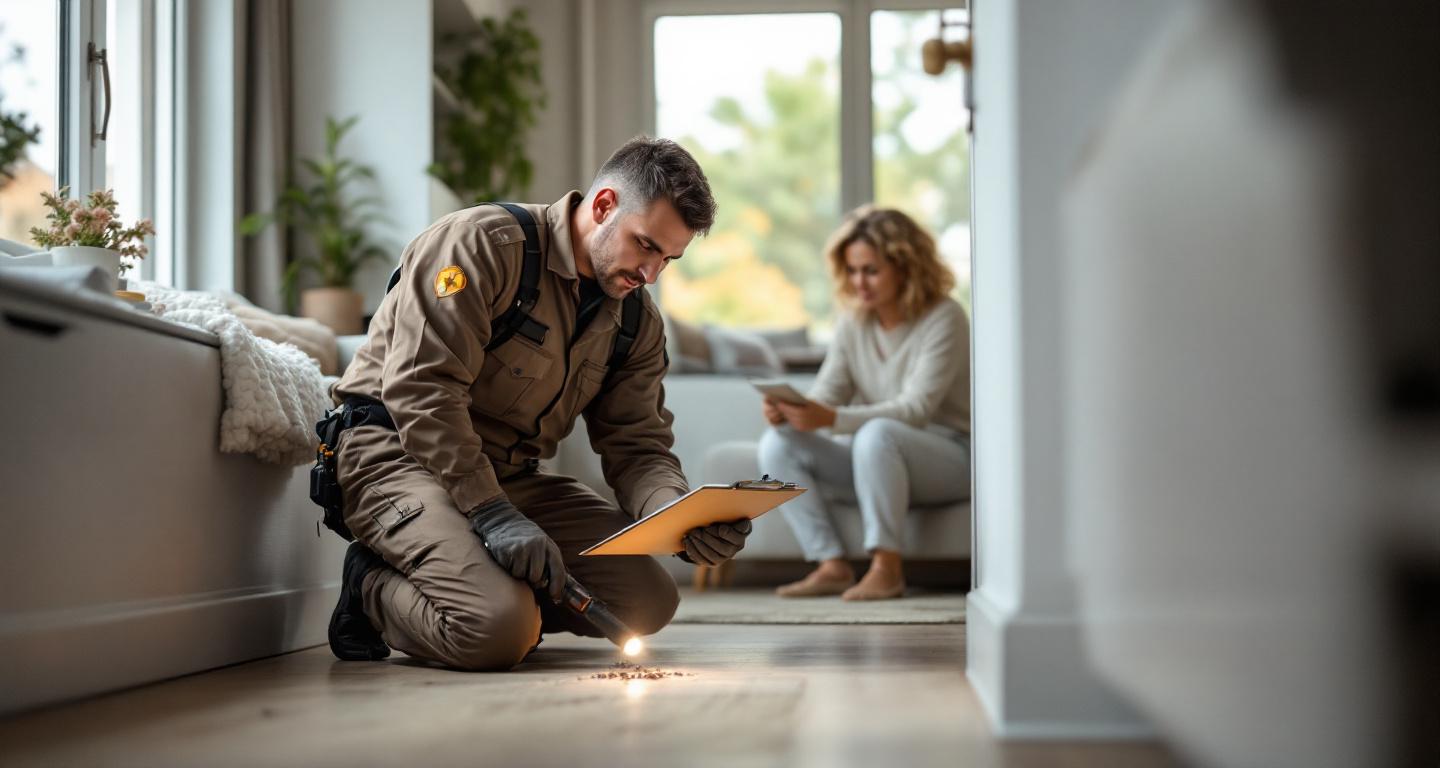
Professional pest control service typically includes initial inspection, treatment plan discussion, targeted application of treatments, follow-up scheduling, and detailed documentation. Most visits last 30-90 minutes depending on property size and infestation severity.
What happens during the initial inspection?
The initial inspection is the foundation of effective pest control. Your technician will conduct a thorough examination of your property, both inside and outside, to identify pest activity, entry points, and contributing factors. This process typically takes 20-45 minutes depending on your property size. The technician will use specialized tools like flashlights, moisture meters, and magnifying equipment to detect signs of pest activity that aren't visible to untrained eyes. They'll check common problem areas including basements, attics, kitchens, bathrooms, and exterior perimeter. During this phase, expect lots of questions about when you first noticed issues, where you've seen pests, and any previous treatments. The inspector will also identify conditions that attract pests, such as moisture problems, food sources, or structural vulnerabilities. This comprehensive assessment ensures the treatment plan addresses root causes, not just visible symptoms.
How should you prepare your home beforehand?
Proper preparation ensures your pest control service is safe, effective, and efficient. Complete these essential steps before your technician arrives:
- Clear access to baseboards, cabinets, and areas where pests have been spotted
- Remove or cover food items, dishes, and cooking utensils in treatment areas
- Secure pets in a safe area away from treatment zones during service
- Vacuum thoroughly, especially in corners, under furniture, and along baseboards
- Fix any obvious moisture issues like leaky pipes or standing water
- Trim vegetation away from exterior walls and remove debris near your foundation
- Make a list of specific areas where you've noticed pest activity
- Ensure easy access to electrical panels, water heater, and utility areas
What treatment methods will be used?
Modern pest control employs Integrated Pest Management (IPM) strategies that combine multiple approaches for maximum effectiveness and safety. Your technician will explain their specific treatment plan based on the pest type, infestation severity, and your property's unique characteristics. Common methods include targeted gel baits placed in cracks and crevices, liquid treatments applied to baseboards and entry points, and exterior perimeter treatments to create protective barriers. For specific pests, technicians might use pheromone traps, dust applications in wall voids, or specialized equipment like heat treatments for bed bugs. Professional-grade products are more effective than consumer options and are applied with precision equipment that ensures proper coverage while minimizing exposure. Your technician should explain each product being used, its purpose, safety precautions, and expected timeline for results. They'll also discuss any restrictions, such as areas to avoid or recommended waiting periods before cleaning treated surfaces.
What questions should you ask during service?
- What specific pests were identified during inspection?
- What products are being used and are they safe around children/pets?
- How long should I wait before cleaning treated areas?
- When should I expect to see results from the treatment?
- What follow-up treatments will be necessary?
- Are there any areas I should avoid or precautions to take?
- What can I do to prevent future infestations?
- Is this treatment covered under warranty or service guarantee?
How long does the treatment process take?
Treatment duration varies significantly based on property size, pest type, and infestation severity. A typical residential service ranges from 30 minutes for routine maintenance treatments to 3+ hours for comprehensive initial treatments addressing severe infestations. Single-family homes usually require 45-90 minutes for thorough service, while apartments or condos might need only 30-60 minutes. The technician will work systematically through your property, treating interior areas first, then moving to exterior applications. Complex treatments like bed bug heat treatment or termite spot treatments require additional time and specialized equipment setup. Your technician should provide a time estimate upfront and explain if they discover issues that might extend the service. Remember that rushing through treatment compromises effectiveness—quality pest control requires methodical application and attention to detail. Most reputable companies prefer to take necessary time rather than provide inadequate service that requires frequent callbacks.
What happens during the follow-up visit?
Follow-up visits are crucial for successful pest control and typically occur 2-4 weeks after initial treatment. Here's what to expect:
- Inspection of previously treated areas to assess treatment effectiveness
- Discussion of any ongoing pest activity you've observed since last visit
- Additional treatments in areas where pest activity persists
- Adjustment of treatment strategy if initial approach needs modification
- Monitoring trap replacement and activity assessment
- Updated recommendations for prevention and property maintenance
- Documentation of progress and scheduling of future visits if needed
What safety precautions should you expect?
Professional pest control technicians follow strict safety protocols to protect your family, pets, and property during treatment. Expect your technician to arrive with proper safety equipment, including protective clothing, respirators when necessary, and specialized application tools that prevent overspray or contamination. They should explain any temporary restrictions, such as keeping pets and children away from treated areas for specific timeframes. Most modern treatments are designed to be low-toxicity and targeted, but precautions still apply. Your technician will identify any areas where food preparation occurs and take extra care to prevent contamination. They should also discuss ventilation requirements, such as opening windows during treatment or running exhaust fans. After treatment, you'll receive clear instructions about when it's safe to return to treated areas, whether surfaces need cleaning, and what symptoms might indicate sensitivity reactions. Reputable companies carry insurance and follow EPA guidelines for all product applications, ensuring both effectiveness and safety compliance.
How will you know if the treatment worked?
Treatment effectiveness varies by pest type, but most professional applications show results within days to weeks. Your technician will set realistic expectations based on your specific situation and the treatments used. For cockroaches and ants, you might see increased activity initially as pests encounter treated areas and baits—this is normal and indicates the treatment is working. Complete elimination typically occurs within 2-4 weeks for most common pests. Rodent control might show results more quickly, often within days, while termite treatments require longer monitoring periods. Your pest control provider should establish clear success metrics and timeline expectations during the initial visit. They'll also explain what continued activity is normal versus signs that additional treatment is needed. Most reputable companies guarantee their work and will return for additional treatments if pest activity persists beyond expected timeframes. Keep detailed records of any pest sightings after treatment, including locations, times, and numbers observed—this information helps your technician adjust strategies if needed.
Frequently Asked Questions
Do I need to leave my home during pest control treatment?
Most residential pest control treatments don't require you to leave home. However, your technician may ask you to stay out of specific rooms during application and for 2-4 hours afterward, depending on products used.
How often should professional pest control service be performed?
Most homes benefit from quarterly pest control service for prevention. Active infestations may require monthly visits initially, then transition to quarterly maintenance once controlled. Your technician will recommend a schedule based on your specific needs.
Can I clean my house immediately after pest control treatment?
Wait at least 48-72 hours before cleaning treated areas, especially baseboards and cracks where products were applied. Your technician will specify which areas to avoid cleaning and for how long to ensure treatment effectiveness.
What should I do if I see more pests after treatment?
Seeing increased pest activity for 3-7 days after treatment is often normal as pests encounter treated areas. Contact your pest control provider if activity continues beyond two weeks or increases significantly after the initial spike.
Are pest control treatments safe around children and pets?
Professional pest control products are EPA-approved and applied according to safety guidelines. Most treatments are safe around children and pets once dried, typically within 2-4 hours. Your technician will provide specific safety instructions.
What if the initial treatment doesn't solve my pest problem?
Reputable pest control companies guarantee their work and will return for additional treatments at no extra charge if pests persist beyond the expected timeframe. Most infestations require 2-3 treatments for complete elimination.
Find Trusted Pest Control Experts
The quality of your pest control service depends heavily on choosing an experienced, reputable provider. Tools like Linked By Six automatically show you which local pest control companies your friends and colleagues already trust—helping you see real recommendations before you search. This takes the guesswork out of finding reliable service providers who will handle your pest issues professionally and effectively.
Professional pest control service is a systematic process that begins with thorough inspection and continues through targeted treatment and follow-up monitoring. Understanding what to expect helps you prepare properly, ask the right questions, and work effectively with your technician to achieve lasting results. The key is choosing a provider who takes time to explain their process, uses appropriate safety measures, and stands behind their work with guarantees. Remember that effective pest control is often a process requiring multiple visits and ongoing prevention strategies, not a one-time fix. When you know what to expect, you can confidently work with your pest control provider to create a pest-free environment in your home.