
What to Expect During Moving Company Services
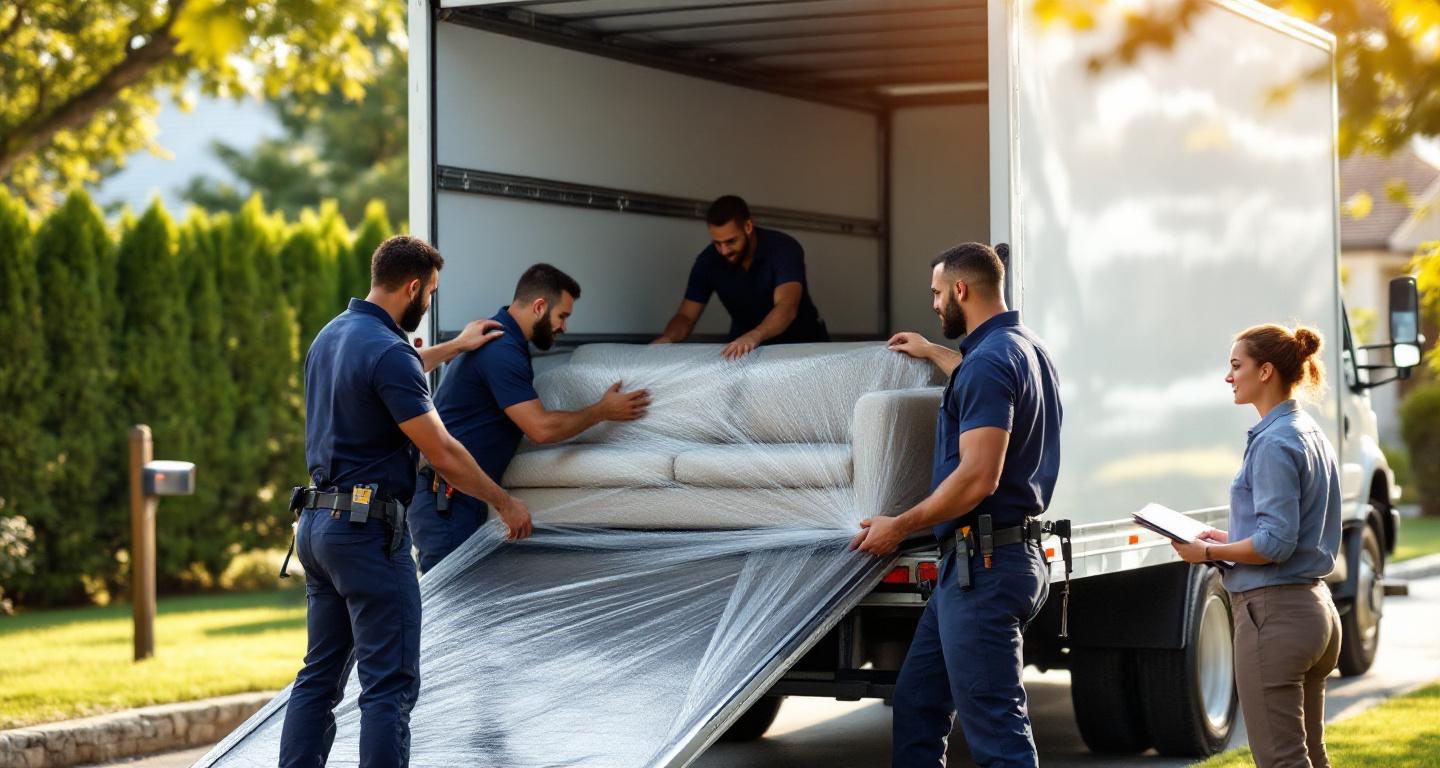
Professional moving services typically include a pre-move consultation, packing and loading on moving day, transportation, and delivery with unpacking options. The process involves inventory documentation, protective wrapping of items, systematic loading, and careful delivery with final walkthrough and payment.
What happens during the pre-move consultation?
The pre-move consultation sets the foundation for your entire moving experience. A moving company representative will visit your home or conduct a virtual survey to assess the scope of your move. They'll walk through every room, noting furniture dimensions, fragile items, and special requirements like piano moving or artwork handling. This assessment determines crew size, truck capacity, packing materials needed, and the final cost estimate. During this phase, you'll discuss timing, access restrictions at both locations, and any services like packing, unpacking, or storage. The estimator should explain their insurance coverage, claims process, and payment terms. This consultation is also your opportunity to ask about the company's experience, licensing, and what happens if delays occur. A reputable company will provide a detailed written estimate and answer all questions transparently. Take notes during this meeting and don't hesitate to clarify anything you don't understand, as this conversation shapes your entire moving contract.
How does moving day typically unfold?
Moving day follows a structured timeline that professional movers have refined through experience. Here's the typical sequence of events:
- Crew arrival and introduction - The team leader introduces the crew, reviews the inventory list, and conducts a walkthrough to confirm details and address any last-minute changes or concerns.
- Pre-move inventory documentation - Movers create or verify a detailed inventory of all items, noting existing damage or wear. You'll sign off on this list, which becomes crucial for insurance claims.
- Packing and protection phase - Items are wrapped in protective materials like blankets, bubble wrap, or paper. Fragile items receive special attention with custom crating if necessary.
- Loading and organization - Items are loaded systematically with heaviest pieces first, proper weight distribution, and securing everything to prevent shifting during transport.
- Final walkthrough and departure - The team leader conducts a final inspection with you to ensure nothing is forgotten before departing for the destination.
- Delivery and placement - Upon arrival, items are unloaded, checked against the inventory, and placed in designated rooms according to your instructions.
What packing and protection services should you expect?
Professional movers use specialized techniques and materials that go far beyond what most people have at home. Furniture receives protective blankets secured with rubber bands or shrink wrap to prevent scratches and dents. Fragile items like dishes, artwork, and electronics get wrapped individually in bubble wrap or packing paper, then placed in appropriately sized boxes with cushioning material. Mattresses are covered in plastic mattress bags to keep them clean during transport. For high-value or extremely fragile items, movers may build custom wooden crates on-site. Clothing can remain in dressers if they're not too heavy, but hanging clothes are typically placed in wardrobe boxes to prevent wrinkling. The crew should have dollies, straps, and other equipment to move heavy items safely without damaging floors or walls. If you've purchased full packing services, expect the team to arrive with boxes, tape, and packing materials. They'll pack systematically, room by room, labeling boxes clearly with contents and destination room. Professional packers work efficiently but carefully, typically packing an average home in 4-8 hours depending on size and complexity.
How do professional movers handle transportation?
Transportation is where professional moving companies demonstrate their expertise in logistics and cargo management. Once loaded, your belongings are secured using a system of straps, bars, and padding to prevent shifting during transit. The truck driver, often the crew leader, plans the route considering bridge heights, weight restrictions, and traffic patterns. For local moves, transportation is typically direct from origin to destination. Long-distance moves may involve transfer points where your items are moved from a local truck to a larger long-haul vehicle. During transportation, reputable companies maintain communication, providing updates on estimated arrival times and any delays. The truck should be equipped with GPS tracking, allowing the company to monitor progress and keep you informed. Professional moving trucks are designed specifically for household goods transport, with features like air-ride suspension to minimize bumping and climate control to protect sensitive items. Drivers are trained in safe driving practices with loaded trucks, understanding how cargo affects braking, turning, and overall vehicle handling. For long-distance moves, drivers must comply with Department of Transportation regulations regarding driving hours and rest periods, which can affect delivery timelines.
What delivery services can you expect?
Professional moving companies offer various delivery service levels to meet different needs and budgets:
- Standard delivery - Items are unloaded and placed in the correct rooms but not unpacked or assembled. This is the most common and cost-effective option.
- White glove delivery - Includes unpacking services, furniture assembly, and placement of items exactly where you want them. Some companies even offer to remove packing materials.
- Storage-in-transit - If your new home isn't ready, your items can be stored in the company's warehouse for a specified period before final delivery.
- Split delivery - For complex moves, different portions of your shipment can be delivered to different locations or at different times.
- Expedited delivery - Priority handling for time-sensitive moves, often at premium pricing but with guaranteed delivery windows.
What documentation and payment processes are involved?
Professional moving companies maintain detailed documentation throughout the entire process to protect both parties and ensure accountability. The process begins with a written estimate that becomes your contract, outlining services, costs, and terms. On moving day, you'll receive or review an inventory list detailing every item being moved, including notations about existing damage or wear. This inventory is crucial for insurance purposes and should be reviewed carefully before signing. During delivery, the crew leader will ask you to inspect items and note any new damage on the inventory sheet. You have the right to refuse delivery of severely damaged items or note concerns before signing the final delivery receipt. Payment terms vary by company and move type. Local moves often require payment upon completion, while long-distance moves may require partial payment upfront with the balance due on delivery. Many companies accept cash, certified checks, or credit cards, though some may charge fees for credit card transactions. Keep all moving-related receipts and documents, as moving expenses may be tax-deductible in certain situations. The company should provide you with a copy of all signed documents and contact information for claims processing if issues arise later.
Essential preparations before moving day
Proper preparation ensures your moving day goes smoothly and professionally:
- Confirm arrival time and contact information with your moving coordinator
- Prepare cash or certified check for payment and tips
- Pack a survival kit with essentials you'll need immediately
- Clear pathways and remove obstacles that could slow down the crew
- Disassemble furniture if specified in your contract
- Pack valuable items and important documents separately to transport yourself
- Arrange childcare and pet care to keep them safe and out of the way
- Prepare snacks and water for the moving crew, especially on hot days
- Take photos of valuable items and electronics before packing
- Review your inventory list and moving contract one final time
How do you handle problems or damages during the move?
Despite the best planning and professional handling, issues can occasionally arise during moves. The key is knowing how to address them properly and promptly. If you notice damage during delivery, document it immediately on the inventory sheet before signing any final paperwork. Take photos of the damaged items and the surrounding area if relevant. Don't accept damaged goods without noting the damage in writing – your signature without notations may be interpreted as acceptance of items in good condition. For items that are obviously damaged, you have the right to refuse delivery and note them as such. However, this should be done judiciously, as refusing items doesn't automatically mean replacement. Minor damage might be better accepted and claimed later. Most professional moving companies carry various levels of insurance coverage, from basic liability (typically 60 cents per pound) to full replacement value coverage. Understanding your coverage before moving day is crucial. For insurance claims, you'll typically have a limited time window to file (often 9 months for interstate moves) and will need to provide documentation of the item's value and the damage incurred. Keep receipts, photos, and all moving-related paperwork organized for potential claims. Communication is key – contact your moving company's customer service department as soon as possible after discovering issues.
The best moving experiences happen when customers understand what to expect and come prepared. Clear communication between the customer and moving crew makes all the difference in ensuring a smooth, professional move.
Mike Rodriguez, Operations Manager, Interstate Moving Solutions
Frequently Asked Questions
How long does a typical local move take?
Local moves typically take 4-8 hours depending on home size, amount of belongings, and distance between locations. A studio apartment might take 3-4 hours, while a large family home could require a full day.
Should I tip my moving crew?
Tipping is customary for good service, typically $20-40 per mover for local moves or $40-80 per mover for long-distance moves. Tips can be adjusted based on service quality, difficulty, and weather conditions.
What items won't professional movers transport?
Movers typically won't transport hazardous materials (paint, propane, chemicals), perishable food, plants, pets, ammunition, or items with sentimental value like photo albums or jewelry that should be personally transported.
Can I leave items in dresser drawers?
Most movers allow lightweight items like clothing to remain in dresser drawers, but heavy items, fragile objects, or liquids must be removed. Check with your specific moving company about their drawer policies.
What happens if my belongings don't fit in the truck?
Professional movers conduct pre-move surveys to ensure proper truck sizing. If items don't fit due to undisclosed belongings, you may need to pay for additional trips or a larger truck.
How do I prepare my appliances for moving?
Disconnect and clean appliances 24-48 hours before moving. Refrigerators should be defrosted and dried, washing machines drained, and gas appliances disconnected by qualified technicians. Some movers provide appliance preparation services.
Find Trusted Movers in Your Network
The best moving experiences come from companies your friends and family have actually used and recommend. Tools like Linked By Six automatically show you which moving companies your trusted connections have used successfully—giving you confidence before you book. See your network's trusted movers before you search online reviews from strangers.
Understanding what to expect during moving company services helps you prepare effectively and recognize professional standards when you see them. From the initial consultation through final delivery, reputable movers follow established processes designed to protect your belongings and provide peace of mind. The key to a successful move lies in choosing experienced professionals, preparing properly, and maintaining clear communication throughout the process. Remember that the cheapest option isn't always the best value – focus on finding movers with proven track records, proper licensing, and comprehensive insurance coverage. When you know what professional moving services should look like, you're better equipped to identify quality providers and ensure your move goes smoothly from start to finish.