
8 Essential Checks Before Calling Emergency Plumbers
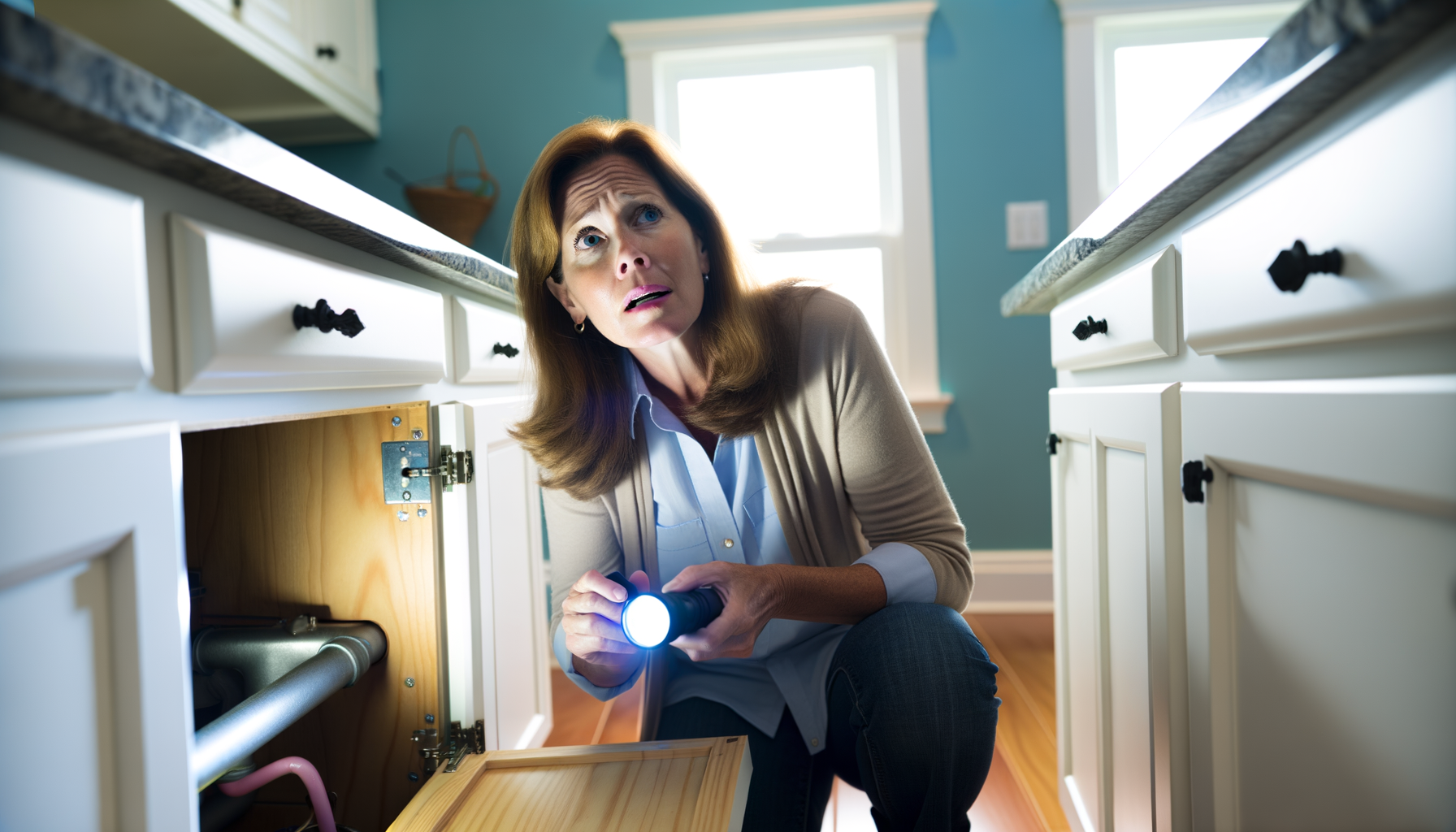
Before calling emergency plumbers, homeowners should check their water main shutoff, inspect visible pipes for obvious leaks, test other fixtures to isolate the problem, and verify it's truly an emergency requiring immediate professional intervention.
Why Should You Investigate Before Calling?
Emergency plumbing calls can cost 2-3 times more than regular service visits, with many companies charging premium rates for after-hours work. Before reaching for your phone, taking a few minutes to assess the situation can save you hundreds of dollars and help you communicate more effectively with the plumber you do call. Many apparent "emergencies" are actually manageable situations that can wait for regular business hours, while others require immediate professional intervention. Understanding the difference protects both your wallet and your home. Additionally, gathering information about the problem beforehand helps legitimate plumbers provide more accurate estimates and arrive with the right tools, while helping you avoid scammers who prey on panicked homeowners.
What Are the First Steps to Take?
Follow these steps in order to safely assess your plumbing emergency:
- Locate and test your main water shutoff valve - every household member should know where this is located, typically near the water meter or where the main line enters your home
- Turn off electricity to any affected areas if water is near electrical outlets, fixtures, or appliances to prevent electrocution risks
- Document the problem with photos or videos on your phone - this helps you explain the issue clearly and provides evidence for insurance claims if needed
- Check if the problem affects multiple fixtures or just one - run water in different sinks, flush other toilets, and test appliances to isolate the issue
- Look for obvious causes like visible leaks, loose connections, or objects that might be causing blockages before assuming you need professional help
Which Problems Can You Handle Yourself?
Many common plumbing issues don't require emergency service calls. Check off these simple solutions first:
- Plunge a clogged toilet using a proper toilet plunger (not a sink plunger)
- Reset your garbage disposal using the reset button on the bottom of the unit
- Check that toilet handle chains aren't tangled or disconnected inside the tank
- Verify that shut-off valves under sinks and toilets are fully open
- Clear visible debris from drain stoppers and strainers
- Replace obviously worn toilet flappers that aren't sealing properly
- Tighten loose connections under sinks using channel-lock pliers
- Check circuit breakers for electric water heaters before assuming equipment failure
When Does a Situation Truly Require Emergency Service?
Call for immediate professional help when you encounter:
- Burst pipes flooding your home - shut off the main water valve first, then call immediately
- Sewage backing up into your home - this creates health hazards and potential structural damage
- No water throughout the entire house when neighbors have normal service - indicates a serious line problem
- Gas smell near water heaters or other appliances - evacuate immediately and call both the gas company and a plumber
- Frozen pipes in danger of bursting - these need professional thawing to prevent rupture
- Water heater making loud banging, popping, or hissing sounds - could indicate dangerous pressure buildup
How Do You Communicate Effectively With Emergency Plumbers?
When you do need to call for emergency service, clear communication helps ensure you get the right help at a fair price. Describe the problem using specific terms: say "toilet won't flush and water level is rising" rather than "toilet is broken." Explain what you've already checked and any temporary measures you've taken, like shutting off water valves. Ask for a clear explanation of their emergency rates, minimum charges, and estimated arrival time. Legitimate emergency plumbers will provide upfront pricing and won't pressure you into expensive repairs over the phone. They should also be licensed and insured - don't hesitate to ask for this information. Request that they call when they're en route and provide identification when they arrive.
What Red Flags Should You Watch For?
Be cautious of emergency plumbers who exhibit these warning signs:
- Demand full payment upfront before starting any work
- Cannot provide a local business address or proper licensing information
- Quote prices significantly higher or lower than other estimates without explanation
- Insist that extensive additional repairs must be done immediately
- Refuse to explain the problem or show you what needs to be fixed
- Arrive in unmarked vehicles without proper identification or uniforms
- Pressure you to sign contracts or make decisions while you're stressed
- Cannot provide references from recent local customers
How Can You Prevent Future Plumbing Emergencies?
Regular maintenance prevents most plumbing emergencies and helps you build relationships with reliable service providers during non-crisis situations. Schedule annual inspections to catch small problems before they become expensive disasters. Learn the location of all your home's shutoff valves and test them periodically to ensure they work when needed. Keep basic tools handy: a good plunger, channel-lock pliers, and a pipe wrench can handle many minor issues. Avoid putting grease, coffee grounds, or fibrous materials down drains, and never flush anything other than toilet paper. Consider upgrading old fixtures proactively rather than waiting for failure. Most importantly, develop relationships with trusted local plumbers during routine maintenance calls - they'll prioritize existing customers during genuine emergencies and provide more honest service than strangers called in panic.
Frequently Asked Questions
How much do emergency plumbing calls typically cost?
Emergency plumbing calls typically cost $200-500 for the initial visit, plus 1.5-3x normal hourly rates. After-hours, weekend, and holiday calls command the highest premiums, sometimes reaching $150-200 per hour compared to $75-100 during regular business hours.
Should I turn off my water heater during a plumbing emergency?
Turn off your water heater if you've shut off the main water supply or if the emergency involves hot water lines. For electric units, turn off the circuit breaker. For gas units, only licensed professionals should handle gas shutoffs.
Can I wait until morning for most plumbing problems?
Most plumbing issues can wait for regular business hours if you can shut off water to the affected area and the problem isn't causing ongoing damage. True emergencies involve flooding, sewage backup, or safety hazards requiring immediate attention.
What information should I gather before calling a plumber?
Document the problem's location, what triggers it, which fixtures are affected, what you've already tried, and any unusual sounds or smells. Take photos if possible and note when the problem started to help plumbers diagnose issues more efficiently.
How do I find trustworthy emergency plumbers in my area?
Research licensed, insured plumbers during calm periods through local recommendations, online reviews, and Better Business Bureau ratings. Verify licensing through your state's contractor database and keep contact information for 2-3 reputable companies for emergencies.
What tools should every homeowner have for plumbing emergencies?
Essential plumbing tools include a toilet plunger, cup plunger for sinks, channel-lock pliers, adjustable wrench, flashlight, and bucket. These handle most minor issues and help you assist professional plumbers when they arrive for larger problems.
Find Trusted Emergency Plumbers Before You Need Them
The best time to find reliable emergency plumbers is before disaster strikes. Tools like Linked By Six automatically show you which local plumbing companies your friends, neighbors, and colleagues already trust - giving you vetted options before the emergency happens. Build your trusted service provider list today so you're prepared when problems arise.
Plumbing emergencies test every homeowner's problem-solving skills and decision-making under pressure. By learning to assess situations calmly, understanding which problems you can handle yourself, and knowing when to call professionals, you protect both your home and your budget. The key is preparation: research trusted local plumbers during peaceful times, learn your home's water shutoff locations, and keep basic tools accessible. Remember that most apparent emergencies can wait for regular business hours once you've stopped any immediate damage. When you do need emergency service, clear communication and awareness of red flags help ensure you get honest, effective help. Taking these proactive steps transforms you from a panicked caller into an informed homeowner who can navigate plumbing crises confidently and cost-effectively.