
Essential Checklist: What to Verify After Water Damage Restoration
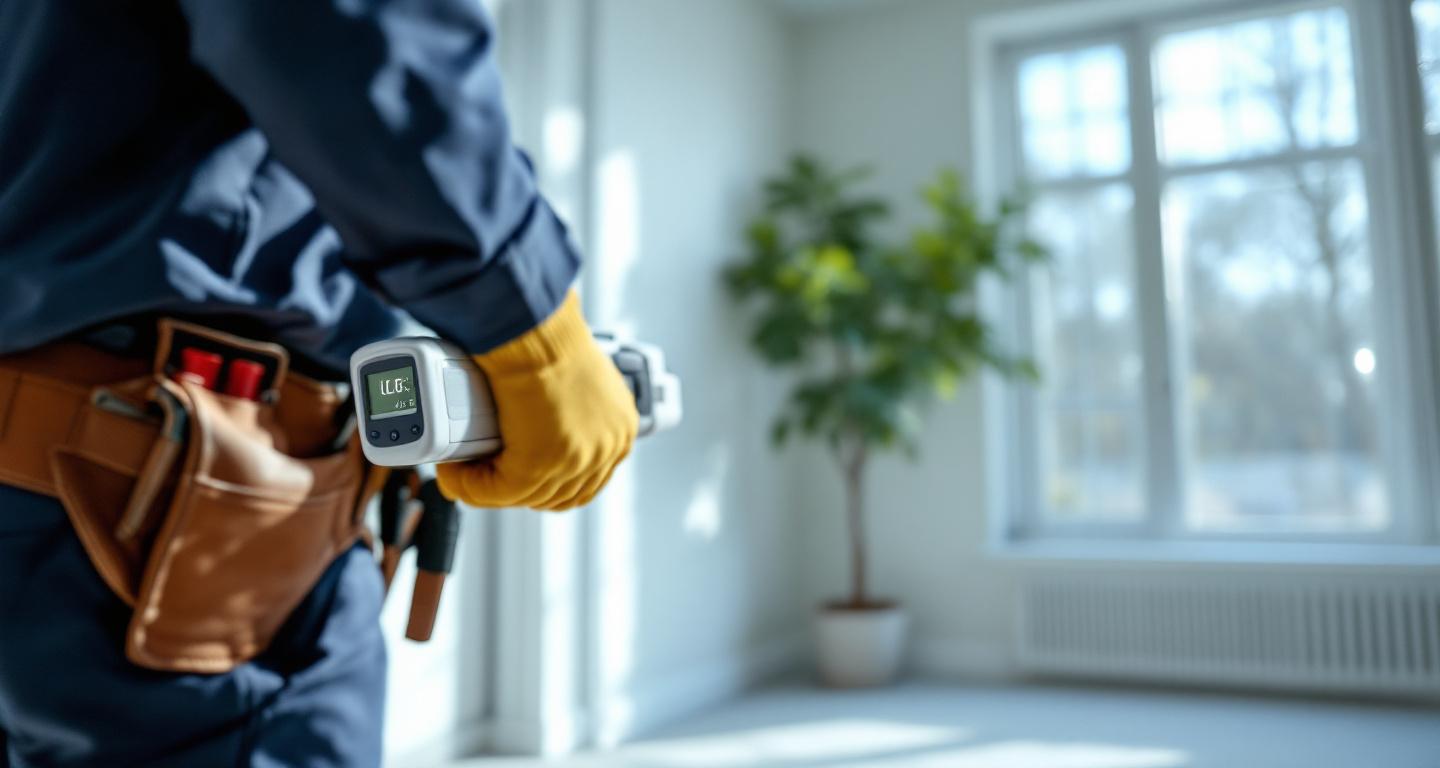
After water damage restoration, verify complete moisture removal using professional-grade moisture meters, inspect all affected areas for visible damage, test HVAC systems, check for odors, and obtain detailed documentation including moisture readings and warranty information before final approval.
Why is thorough inspection after restoration critical?
Water damage restoration isn't just about removing visible water—it's about ensuring complete moisture elimination and preventing future problems like mold growth, structural damage, and indoor air quality issues. Many homeowners make the mistake of accepting restoration work based solely on visual appearance, but hidden moisture can cause devastating problems weeks or months later. A thorough post-restoration inspection protects your investment, ensures your family's health, and gives you leverage if problems emerge. Professional restoration companies understand that their reputation depends on thorough completion, so quality contractors welcome detailed inspections and provide comprehensive documentation of their work.
What moisture testing should be performed?
Moisture testing is the most critical aspect of post-restoration verification. Demand these specific measurements:
- Surface moisture readings on all affected walls, floors, and ceilings using professional-grade moisture meters
- Deep moisture penetration testing in structural materials like subflooring and wall cavities
- Relative humidity measurements in affected rooms—should match unaffected areas of your home
- Thermal imaging inspection to detect hidden moisture pockets behind walls or under flooring
- Comparison readings from unaffected areas to establish baseline moisture levels
- Written documentation of all readings with acceptable range standards clearly noted
What visual inspection points require verification?
Use this comprehensive visual checklist to evaluate restoration quality:
- All water stains completely removed from walls, ceilings, and surfaces
- Baseboards, trim, and moldings properly dried or replaced as needed
- Flooring completely dry with no warping, buckling, or soft spots
- Walls show no signs of swelling, discoloration, or texture changes
- Insulation in affected areas replaced or confirmed dry
- Drywall seams and joints show no separation or cracking
- Paint and finishes restored to match existing areas
- All debris and damaged materials completely removed from property
How do you verify HVAC and electrical systems are safe?
Water damage often affects critical home systems, making their verification essential for safety and functionality. Your HVAC system should be professionally inspected to ensure ductwork is dry and clean, with no moisture trapped in vents or air handlers. All electrical outlets, switches, and fixtures in affected areas must be tested by a qualified electrician to confirm safe operation. Any electrical components that contacted water should have been replaced, not just dried. Request documentation showing all systems have been professionally inspected and cleared for safe use. Don't accept verbal assurances—insist on written verification from licensed professionals for both HVAC and electrical work.
What documentation should you receive upon completion?
Proper documentation protects you from future liability and ensures warranty coverage if problems arise. Demand a comprehensive completion report that includes before and after photos, moisture reading logs with dates and locations, and a detailed list of all work performed. You should receive copies of any permits pulled and inspection certificates from local authorities. The documentation must include warranty information covering both labor and materials, with clear terms about what's covered and for how long. Additionally, request certificates of insurance for all subcontractors and proof that all work meets industry standards set by organizations like the Institute of Inspection, Cleaning and Restoration Certification (IICRC).
What are the warning signs of incomplete restoration work?
These red flags indicate restoration work may be incomplete and require immediate attention:
- Musty or damp odors in affected areas, even if surfaces appear dry
- Soft or spongy spots in flooring, walls, or ceilings when pressed
- Visible condensation on windows or surfaces in restored areas
- Higher humidity levels in restored rooms compared to unaffected areas
- Paint or wallpaper beginning to peel or bubble shortly after completion
- Unusual stains or discoloration appearing days after work completion
- Persistent temperature differences between restored and unaffected rooms
When should you schedule a professional second opinion?
Independent verification provides crucial protection when dealing with extensive water damage restoration. Consider hiring an independent inspector if your restoration exceeded $10,000, involved structural repairs, or affected multiple rooms. A second opinion is also valuable if you're dealing with insurance claims, as an independent assessment can identify issues that might affect your settlement. Schedule this inspection before making final payment to your restoration contractor, giving you leverage to address any problems discovered. Look for certified inspectors with specific water damage experience who use professional moisture detection equipment. The cost of independent verification is minimal compared to potential problems from incomplete restoration work.
How do you ensure proper indoor air quality after restoration?
Water damage restoration significantly impacts indoor air quality, making post-restoration air testing crucial for health and safety. Professional air quality testing should measure mold spore counts, volatile organic compounds (VOCs), and general particulate levels in affected areas. Compare these results to baseline readings from unaffected parts of your home and outdoor air samples. If restoration involved mold remediation, demand clearance testing by an independent laboratory before approving the work. Your contractor should have replaced all HVAC filters and cleaned ductwork in affected areas. Additionally, ensure proper ventilation has been maintained throughout the property and that humidity levels remain within the recommended 30-50% range to prevent future mold growth.
Frequently Asked Questions
How long should I wait before conducting my final inspection?
Wait at least 24-48 hours after all drying equipment is removed to allow materials to reach equilibrium moisture levels. This waiting period reveals any remaining moisture issues and ensures accurate moisture meter readings during your inspection.
What moisture levels indicate complete restoration?
Restored materials should show moisture levels within 1-2% of unaffected areas in your home. For wood materials, readings typically should be 6-12%, while drywall should measure 0.2-0.8% moisture content when properly dried.
Should I approve work if everything looks dry but smells musty?
Never approve restoration work with any musty odors present. Odors indicate hidden moisture or early mold growth that requires immediate attention. Professional contractors should eliminate all odors as part of complete restoration.
What warranty should I expect on water damage restoration work?
Quality restoration companies typically provide 1-3 year warranties on structural drying and moisture-related issues. Labor warranties usually cover 1 year, while materials may have longer manufacturer warranties. Get all warranty terms in writing.
How soon after completion might problems appear if restoration was incomplete?
Incomplete restoration issues typically appear within 2-4 weeks. Mold growth can begin within 48-72 hours if moisture remains, while structural problems like warping or swelling usually manifest within the first month.
Do I need professional testing or can I rely on visual inspection?
Professional moisture testing is essential because hidden moisture isn't visible to the naked eye. Visual inspection alone misses critical issues that can cause expensive problems later. Professional testing provides documented proof of complete restoration.
Find Restoration Professionals Your Network Trusts
When water damage strikes, you need contractors you can trust completely. Tools like Linked By Six automatically show you which restoration professionals your friends and colleagues have used successfully, helping you find quality contractors before emergency strikes. See your connections' trusted providers and make informed decisions when it matters most.
Thorough post-restoration inspection protects your property investment and family's health by ensuring water damage restoration is truly complete. Professional moisture testing, comprehensive visual inspection, system verification, and proper documentation provide the assurance you need before final approval. Don't let the urgency of water damage restoration pressure you into accepting incomplete work—the few extra days spent on proper verification can prevent months of costly problems later. Remember that quality restoration contractors welcome thorough inspection because they stand behind their work. When you demand professional standards and complete documentation, you're not just protecting your current situation but establishing the foundation for long-term property safety and value.