
What to Check After Your Vet Visit: Essential Guide
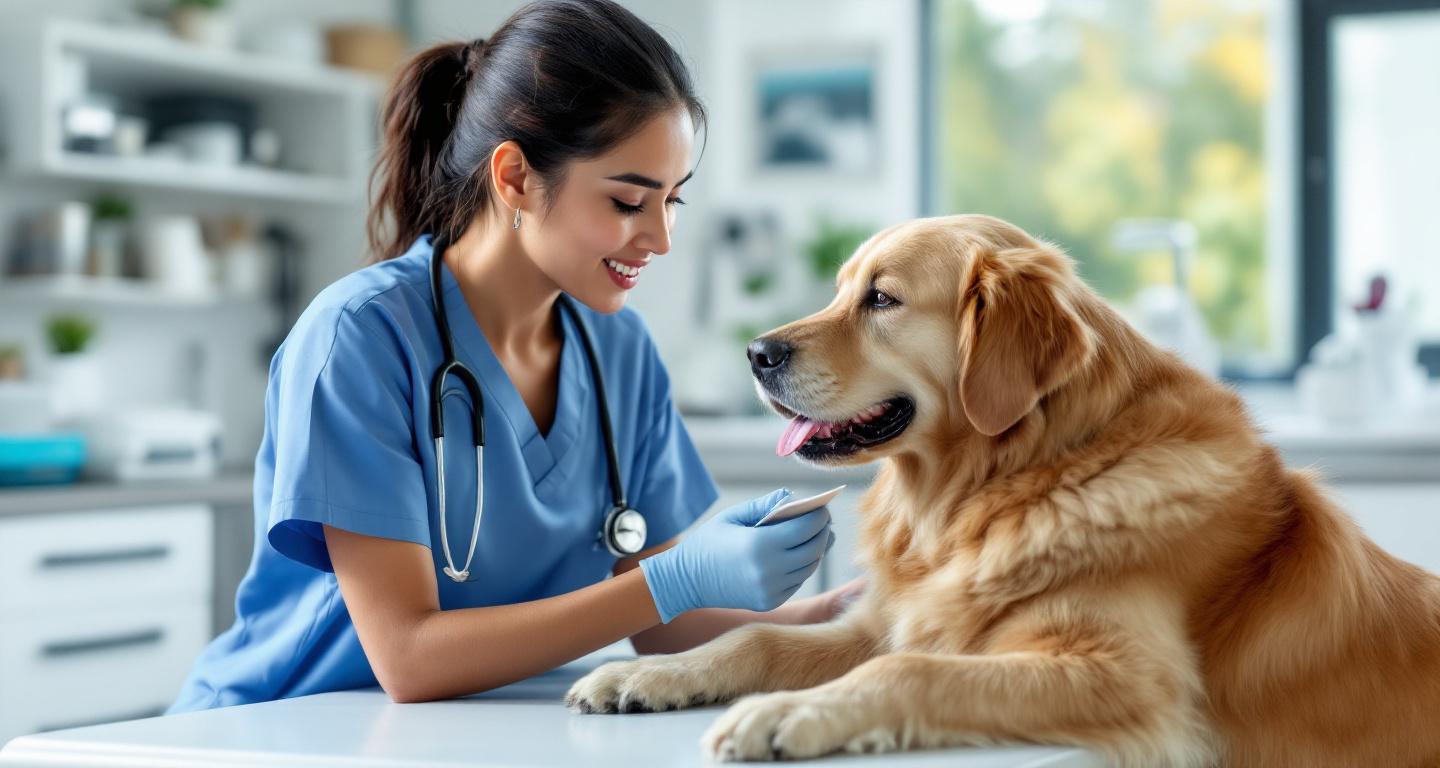
After veterinary work, verify discharge instructions, understand all medications prescribed, confirm follow-up appointments, check your pet's condition, review billing accuracy, and ensure you have emergency contact information for post-treatment concerns.
Why Post-Visit Verification Matters for Your Pet's Health
The moments after veterinary treatment are crucial for your pet's recovery and your peace of mind. Many pet owners assume their responsibility ends when they leave the clinic, but this is when your role as an advocate becomes most important. Proper post-visit verification ensures continuity of care, prevents medication errors, and helps you recognize potential complications early. Veterinary treatments often involve complex protocols that extend well beyond the clinic visit, making your understanding and preparation essential for successful outcomes. Taking time to verify everything while still at the clinic can prevent emergency calls, medication mix-ups, and delayed healing that could compromise your pet's wellbeing.
Essential Discharge Instructions Checklist
Before leaving the veterinary clinic, ensure you have clear, written instructions covering these critical areas:
- Activity restrictions and timeline (exercise limitations, crate rest requirements)
- Feeding instructions and dietary modifications (when to resume normal feeding, special diet requirements)
- Wound care protocols (cleaning frequency, signs of infection to watch for)
- Medication administration schedule with exact dosages and duration
- Follow-up appointment dates and what to expect during each visit
- Emergency contact information for after-hours concerns
- Specific symptoms that require immediate veterinary attention
How to Verify Medication Instructions and Safety
Medication errors are among the most common post-veterinary complications, yet they're entirely preventable with proper verification. Before leaving, confirm each medication's purpose, dosage, and administration method with your veterinarian. Ask to see the actual pills or liquid to understand what you'll be giving at home. Request written instructions that include the medication name, strength, frequency, and total duration of treatment. If your pet is on multiple medications, clarify the timing—some drugs need separation, while others work better together. Don't hesitate to ask about potential side effects and what constitutes a normal reaction versus a concerning one. Many veterinary clinics provide medication labels with your contact information, but verify this information is current and includes your emergency contact number.
Steps to Assess Your Pet's Immediate Post-Treatment Condition
Your pet's immediate post-treatment condition provides baseline information for monitoring recovery:
- Observe your pet's alertness level and responsiveness compared to their normal state
- Check that surgical sites or treatment areas match what the veterinarian described
- Note your pet's mobility and comfort level when moving from the exam table
- Ask about expected timeline for returning to normal eating, drinking, and bathroom habits
- Document any visible changes (bandages, shaved areas, etc.) so you can monitor them at home
- Confirm your pet's weight and vital signs if they're relevant to ongoing monitoring
What Follow-Up Care Requirements Should You Understand?
Follow-up care often determines the success of veterinary treatment, yet many pet owners leave without fully understanding these requirements. Confirm specific dates for recheck appointments and understand what each visit will assess. Some follow-ups involve simple progress checks, while others include suture removal, additional treatments, or diagnostic tests. Ask whether you need to prepare your pet in any special way (fasting, withholding medications, etc.) before follow-up visits. Understand the cost structure for ongoing care—are follow-up exams included in your original treatment cost, or will they incur additional fees? If your pet needs multiple rechecks, ask about package pricing or payment plan options. Most importantly, clarify the consequences of missed appointments and how much flexibility exists in the follow-up schedule.
Financial and Administrative Details to Verify
Ensuring accurate billing and proper documentation protects both you and your pet:
- Review itemized billing for accuracy and ask about any charges you don't understand
- Confirm your pet's medical records are updated with current contact information
- Obtain copies of relevant test results, X-rays, or diagnostic reports for your records
- Verify that your pet's information (age, weight, allergies) is current in their file
- Understand the clinic's policy for sharing records with other veterinarians if needed
- Get written estimates for any recommended future treatments or procedures
How to Monitor Recovery and Recognize Complications
Successful recovery monitoring requires understanding both normal healing patterns and warning signs of complications. Ask your veterinarian to describe the expected recovery timeline, including when your pet should return to normal activities, eating habits, and energy levels. Request specific guidance about surgical site appearance—what's normal swelling versus concerning inflammation, what color changes to expect, and how healing should progress day by day. Understand the difference between discomfort that's expected during recovery and pain that requires intervention. Many pets experience temporary behavioral changes after veterinary procedures due to medication effects, stress, or discomfort, so clarify what's within normal range. Create a simple monitoring log to track your pet's progress, including appetite, bathroom habits, activity level, and any concerning symptoms.
Building Long-Term Relationships with Quality Veterinary Practices
Finding a veterinary practice that prioritizes thorough post-treatment communication indicates their commitment to comprehensive care. Quality veterinarians welcome questions, provide detailed discharge instructions, and maintain open communication channels for post-treatment concerns. They understand that informed pet owners are partners in successful treatment outcomes. When veterinary practices take time to ensure you understand all aspects of your pet's care, they're demonstrating the kind of relationship-focused approach that leads to better health outcomes for your companion. These practices typically have systems in place for follow-up calls, clear medication labeling, and accessible emergency consultation. The time invested in thorough post-treatment communication often reflects the overall quality and reliability of the veterinary practice.
Frequently Asked Questions
How long should I wait before contacting my vet with post-treatment concerns?
Contact your veterinarian immediately for severe symptoms like difficulty breathing, excessive bleeding, or signs of severe distress. For minor concerns, most vets prefer calls within 24-48 hours rather than waiting to see if issues resolve.
Should I get a second opinion if I'm unsure about post-treatment instructions?
If instructions seem unclear or you're concerned about your pet's condition, contact your original veterinarian first for clarification. Seek second opinions for complex treatments or if your concerns aren't adequately addressed.
What should I do if my pet won't take prescribed medication?
Contact your veterinarian immediately if medication compliance is difficult. Many medications have alternative formulations (liquid vs. pills, flavored options) or administration techniques that can improve acceptance without compromising treatment.
How can I tell if my pet's surgical site is healing normally?
Normal healing involves gradual reduction in swelling, clean incision edges, and minimal discharge. Contact your vet if you notice increasing redness, swelling, foul odor, excessive discharge, or if your pet won't stop licking the area.
Are follow-up appointments really necessary if my pet seems fine?
Yes, follow-up appointments allow veterinarians to assess healing progress and catch potential complications before they become serious. Many issues aren't visible to pet owners until they're advanced and more difficult to treat.
What emergency signs require immediate veterinary attention after treatment?
Seek immediate care for difficulty breathing, excessive bleeding, loss of consciousness, severe vomiting or diarrhea, inability to urinate or defecate, or any dramatic change in your pet's condition or behavior.
Find Trusted Veterinary Care
Quality veterinary care starts with finding practitioners your network already trusts. Tools like Linked By Six help you discover which local veterinarians your friends and colleagues rely on, giving you insight into their experiences before you need emergency care. See trusted connections in your area and build relationships with reliable veterinary practices before you need them most.
Thorough post-veterinary verification protects your pet's health and your peace of mind. By confirming discharge instructions, understanding medications, monitoring recovery properly, and maintaining open communication with your veterinary team, you become an effective advocate for your pet's wellbeing. Remember that quality veterinary practices welcome your questions and prioritize clear communication—these characteristics often indicate the kind of comprehensive, relationship-focused care that leads to the best outcomes for your companion. Taking time to verify everything while still at the clinic prevents complications and ensures your pet receives the full benefit of their treatment.