
What to Check After Your Pet's Grooming Session
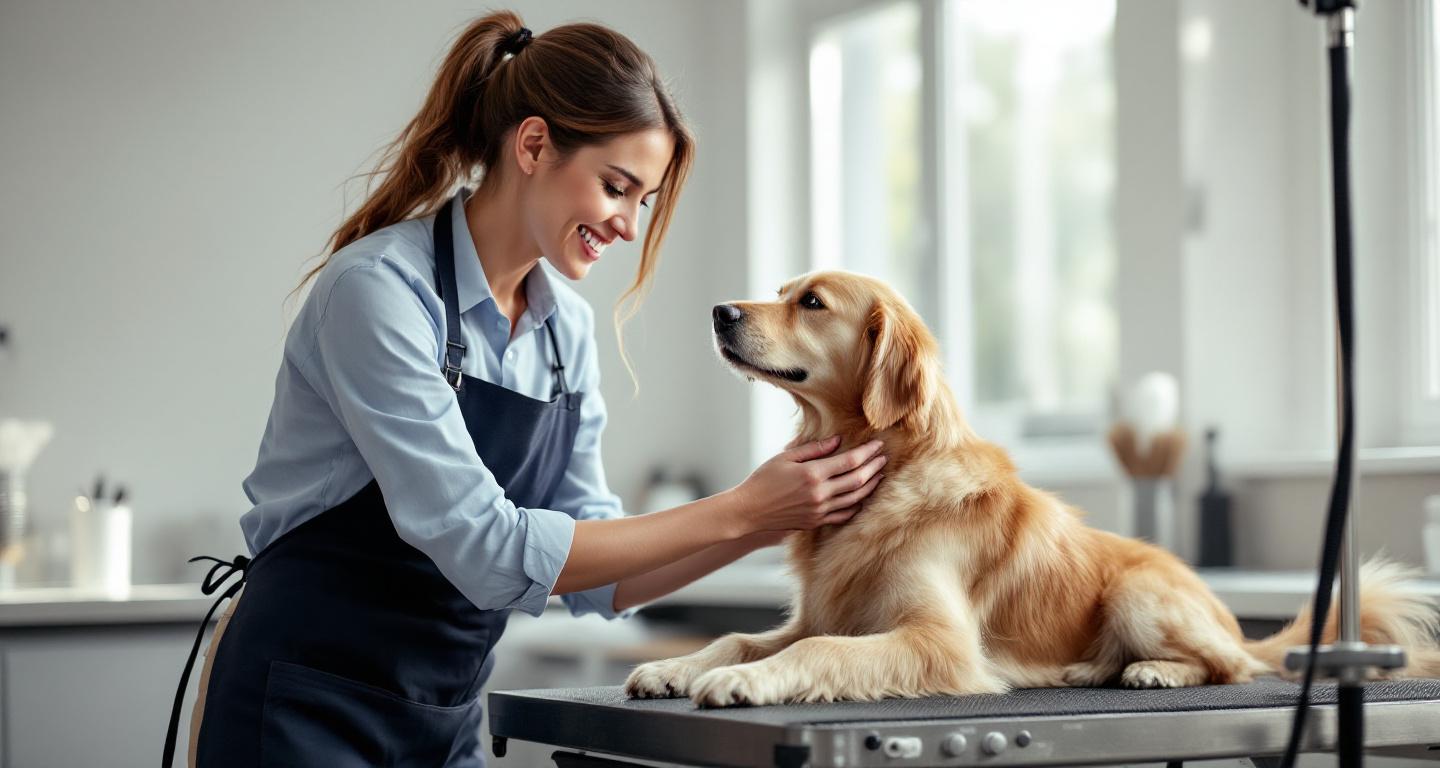
After pet grooming, check your pet's coat for evenness, examine ears and nails for proper cleaning and trimming, inspect skin for irritation or cuts, and observe your pet's behavior for signs of discomfort or stress.
Why Post-Grooming Inspection Matters
Professional grooming transforms your pet's appearance and hygiene, but the work doesn't end when you pick up your furry friend. A thorough post-grooming inspection protects your pet's health and ensures you received quality service. Unlike anonymous online reviews, this immediate assessment gives you real-time feedback about the groomer's skill and attention to detail. Most professional groomers welcome this inspection—it demonstrates their confidence in their work and builds trust with conscientious pet owners. Taking a few minutes to examine your pet also helps you catch any issues early, when they're easiest to address. This inspection process becomes especially valuable when you're working with a new groomer, as it establishes expectations and communication patterns for future visits.
Essential Coat and Fur Inspection Points
Your pet's coat tells the complete story of the grooming session. Use this systematic approach:
- Run your hands through the fur to check for evenness and missed spots
- Look for any uneven patches or areas that seem too short or too long
- Check that the coat feels clean and free of mats or tangles
- Examine the blending between different length areas (face to body, legs to torso)
- Verify that any specific style requests were followed correctly
- Look for any signs of razor burn or clipper marks on the skin
- Check that the undercoat was properly addressed if your pet has a double coat
How Should You Examine Ears and Eyes?
Ear and eye care during grooming requires delicate handling, making these areas critical for post-service inspection. Properly cleaned ears should appear pink and healthy without excessive wax, debris, or strong odors. The ear hair should be neatly trimmed—not too short to cause irritation, but short enough to promote air circulation. Check that no cleaning solution remains in the ears, as leftover moisture can lead to infections. For the eyes, look for clear, bright appearance without redness, excessive tearing, or discharge. The hair around the eyes should be carefully trimmed to prevent irritation while maintaining your pet's natural expression. Any tear staining should show improvement if it was addressed during the session. If you notice excessive redness, swelling, or your pet seems to be pawing at their ears or eyes, discuss this immediately with the groomer.
Step-by-Step Nail and Paw Examination
Nail trimming requires precision and experience. Follow this systematic check:
- Gently lift each paw and examine all nails, including dewclaws if present
- Check that nails are evenly trimmed to an appropriate length—not too short to cause discomfort
- Look for any signs of bleeding or cuts around the nail area
- Inspect paw pads for cuts, irritation, or excessive dryness from cleaning products
- Verify that hair between paw pads was trimmed neatly without nicking the skin
- Check that all nails were addressed—groomers sometimes miss dewclaws or back feet
- Observe your pet's walking to ensure they're not favoring any particular paw
What Skin and Body Condition Should You Look For?
Professional grooming provides an excellent opportunity for skin health assessment, as the groomer can spot issues that might be hidden under thick fur. During your inspection, look for any redness, irritation, or small nicks that might have occurred during the grooming process. Minor surface irritation isn't uncommon, especially for pets with sensitive skin or those getting their first professional grooming. However, the skin should generally appear healthy and pink, not bright red or inflamed. Check areas where clippers were used most extensively—the belly, sanitary areas, and under the arms. These areas are more prone to clipper burn if the equipment was too hot or moved too quickly. Run your hands gently over your pet's entire body to feel for any tender spots they might react to. Professional groomers typically use techniques and products designed to minimize skin irritation, so significant problems should be rare with experienced providers.
Behavioral Signs to Monitor After Grooming
Your pet's behavior provides crucial insights into their grooming experience and physical comfort:
- Excessive scratching or licking at specific areas may indicate irritation
- Unusual lethargy or reluctance to move could signal discomfort
- Changes in appetite or drinking habits might indicate stress
- Difficulty sitting or lying down comfortably may suggest clipper burn
- Shaking their head repeatedly often indicates ear discomfort
- Limping or favoring certain paws suggests nail trimming issues
- Hiding or unusual anxiety may indicate a traumatic grooming experience
When Should You Address Concerns With the Groomer?
Open communication with your groomer builds a foundation for excellent ongoing care. Address concerns immediately while you're still at the salon—most issues are easily resolved on the spot. Professional groomers want satisfied customers and will typically fix minor problems without charge. If you notice uneven trimming, missed spots, or other cosmetic issues, politely point them out. Most groomers appreciate the feedback and will gladly make adjustments. For more serious concerns like cuts, excessive irritation, or signs that your pet was stressed during the service, have a calm discussion about what might have caused the issue. Document any significant problems with photos, especially if you need to seek veterinary care. Remember that grooming is a collaborative relationship—groomers rely on your feedback to understand your pet's specific needs and sensitivities. Establishing clear communication from the beginning helps ensure better experiences for future visits.
How Can You Maintain the Grooming Results at Home?
Professional grooming provides the foundation, but home maintenance extends the results and keeps your pet comfortable between appointments. Ask your groomer for specific care instructions based on your pet's coat type and the services performed. Many groomers provide helpful tips for brushing frequency, recommended products, and techniques for maintaining the style. Regular brushing prevents mats and tangles from developing, especially important for long-haired breeds. Keep ears clean and dry, particularly if your pet swims or gets frequent baths. Monitor nail growth and schedule trims as needed—some pets need nail care every 4-6 weeks. Watch for any delayed reactions to grooming products or techniques, as some skin sensitivities may not appear immediately. Document what works well and any issues that arise, as this information helps your groomer adjust their approach for future visits. Building a relationship with a skilled groomer who understands your pet's needs creates the best long-term results for your pet's health and appearance.
Frequently Asked Questions
How long should I wait to see if my pet has any reactions to grooming?
Monitor your pet closely for the first 24-48 hours after grooming. Most reactions like minor skin irritation or behavioral changes appear within this timeframe, though some sensitivities may take up to a week to fully manifest.
What should I do if I find a small cut or nick on my pet?
Clean minor cuts with warm water and monitor for signs of infection. Contact the groomer to report the issue and your veterinarian if the cut is deep, won't stop bleeding, or shows signs of infection like swelling or discharge.
Is it normal for my pet to scratch more after grooming?
Some light scratching is normal as pets adjust to feeling different after grooming. However, excessive or persistent scratching, especially focused on specific areas, may indicate clipper burn, product sensitivity, or other irritation requiring attention.
How do I know if the groomer did a good job on my pet's nails?
Well-trimmed nails should be even in length, not bleeding, and allow your pet to walk normally without clicking on hard surfaces. The quick should be visible but not cut, and all nails including dewclaws should be addressed.
When should I be concerned about my pet's behavior after grooming?
Contact your veterinarian if your pet shows severe lethargy, refuses food for more than 24 hours, has difficulty moving, or shows signs of pain. Some adjustment period is normal, but extreme changes warrant professional evaluation.
Can I bathe my pet soon after professional grooming?
Avoid bathing for at least 48 hours after grooming to allow any minor skin irritation to heal and to maintain the grooming results. If your pet gets dirty, spot cleaning is usually sufficient until the next scheduled bath.
Find Trusted Pet Groomers in Your Area
Finding a skilled, trustworthy pet groomer makes all the difference in your pet's comfort and your peace of mind. Tools like Linked By Six automatically show you which local groomers your friends and colleagues already trust—helping you discover vetted professionals through your extended network before you book your first appointment.
A thorough post-grooming inspection protects your pet's health while ensuring you receive quality service for your investment. By systematically checking your pet's coat, ears, nails, skin, and behavior, you can catch any issues early and build better communication with your groomer. Remember that professional grooming is an ongoing relationship, not a one-time transaction. The feedback you provide helps your groomer understand your pet's unique needs and sensitivities, leading to better results over time. Most importantly, this inspection process ensures your beloved pet stays healthy, comfortable, and looking their best between professional grooming sessions.