
Essential Mold Remediation Checklist: What to Inspect
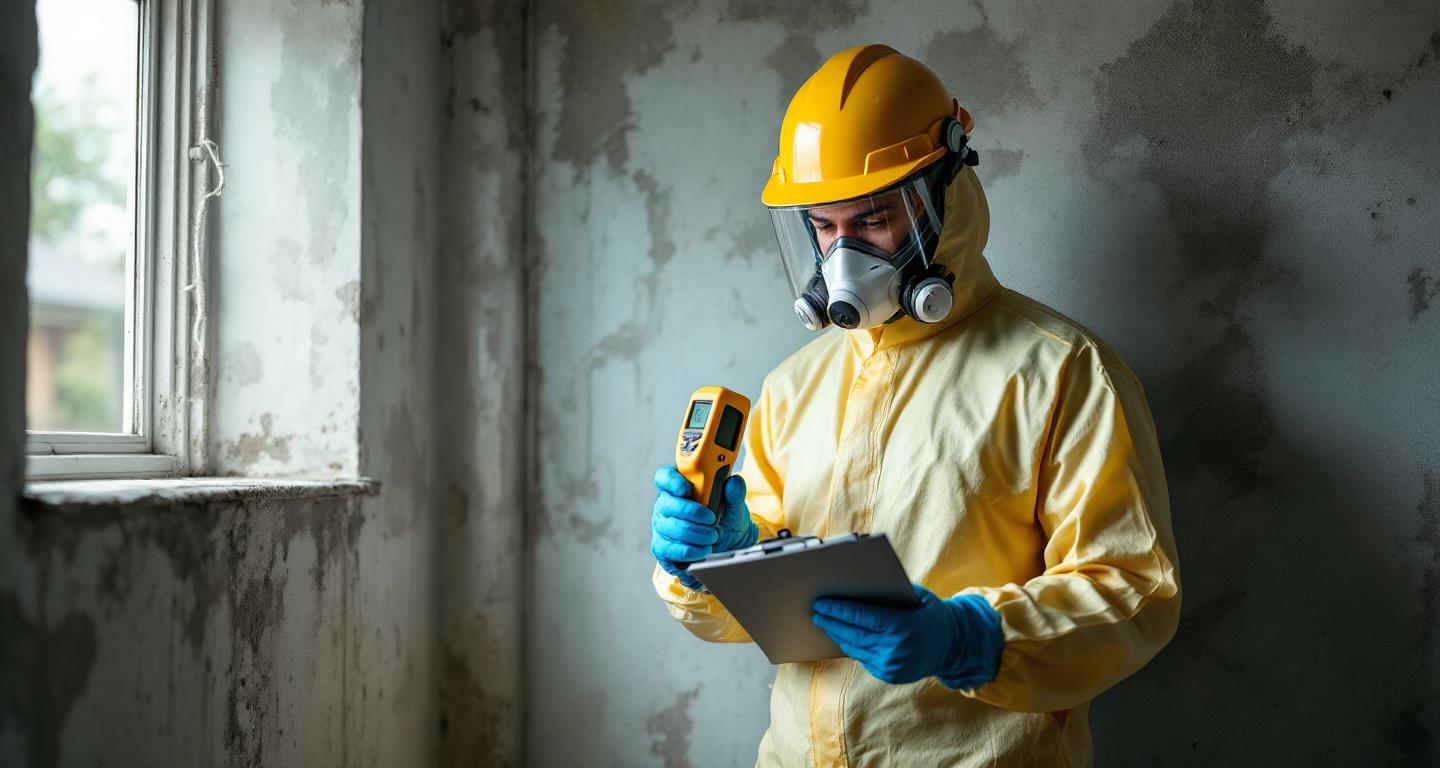
After mold remediation, inspect all treated areas for visible residue, verify moisture levels are normal, confirm proper ventilation restoration, and request clearance testing documentation. Check that containment barriers were properly removed and all affected materials were replaced as agreed.
Why Proper Post-Remediation Inspection Matters
Mold remediation is only effective if completed thoroughly. Unlike other home services where you can easily spot incomplete work, mold problems often hide behind walls or return gradually if moisture sources weren't properly addressed. Professional remediation companies stake their reputation on complete removal, but as the homeowner, you need to verify the work meets industry standards. A thorough post-remediation inspection protects your family's health and your investment. Incomplete remediation can lead to recurring mold problems that cost thousands more to address. Your inspection serves as both quality control and documentation for warranty purposes.
Visual Inspection Checklist
Start with a comprehensive visual assessment of all treated areas:
- No visible mold growth or staining remains on any surfaces
- All damaged materials were removed and properly replaced
- New materials match existing finishes and appear professionally installed
- No musty or moldy odors persist in treated areas
- Surfaces appear clean and free of remediation residue
- All containment plastic and protective barriers were completely removed
- No dust or debris from the remediation process remains
- HVAC vents and returns are clean if they were part of the treatment area
What Moisture Testing Should Reveal
Moisture is mold's primary fuel source, so eliminating excess moisture is crucial for long-term success. Your remediation specialist should have used moisture meters throughout the process and can show you current readings. Normal moisture content for wood framing should be below 19%, while drywall should read under 1% on a moisture meter scale. If readings are elevated, ask about the timeline for these levels to normalize—some materials need additional drying time. Document these readings and ask for the acceptable ranges specific to your materials. High moisture readings indicate the underlying problem wasn't fully resolved, which could lead to mold returning within weeks or months.
Essential Documentation to Request
Professional remediation should include comprehensive documentation:
- Before and after photographs of all treated areas
- Moisture readings from the start and completion of work
- List of all materials removed and disposal certificates
- Air quality test results if testing was performed
- Warranty information covering the remediation work
- Recommendations for preventing future mold issues
- Contact information for follow-up questions or concerns
When Should You Request Clearance Testing?
Clearance testing involves an independent inspector taking air and surface samples to verify mold levels have returned to normal. While not always required, clearance testing provides objective verification of successful remediation. Request clearance testing if the original mold problem was extensive, if anyone in your household has respiratory sensitivities, or if you're selling the property soon. The testing should be performed by a different company than the one that did the remediation to avoid conflicts of interest. Clearance testing typically costs $300-600 but provides valuable peace of mind and documentation. Some insurance companies require clearance testing before considering the claim resolved.
How to Test Air Quality Yourself
While professional testing is most reliable, you can do basic air quality checks:
- Wait 24-48 hours after remediation completion before testing to allow air to stabilize
- Close all windows and doors for 12 hours before testing to concentrate any remaining spores
- Use a home mold test kit following manufacturer instructions exactly
- Take samples from both treated areas and unaffected rooms for comparison
- Document the date, time, and weather conditions during testing
- Send samples to the lab promptly according to kit instructions
- Compare results to baseline levels from unaffected areas of your home
What About HVAC System Verification?
If mold affected your HVAC system or nearby areas, proper system restoration is critical. The remediation team should have cleaned or replaced contaminated ductwork, changed all filters, and cleaned the air handler unit. Request verification that they followed NADCA (National Air Duct Cleaners Association) standards for duct cleaning. Test your system by running it for several hours and checking that air flow feels normal and no musty odors emerge from vents. If the system was professionally cleaned, you should receive documentation of the process and before/after photos. Consider having your HVAC contractor perform a separate inspection if the system was significantly impacted.
Red Flags That Indicate Incomplete Work
Several warning signs suggest remediation wasn't completed properly. Persistent musty odors are the most obvious red flag—properly remediated areas should smell neutral or like cleaning products, not moldy. Visible staining that wasn't removed or painted over indicates surface-level treatment rather than proper removal. High moisture readings weeks after completion suggest the water source wasn't eliminated. If contractors rush you through the final inspection or discourage questions, this suggests they're not confident in their work quality. Professional remediators welcome thorough inspections because they're proud of complete work. Trust your instincts—if something seems off, investigate further before making final payment.
Long-term Monitoring Steps
Successful remediation requires ongoing vigilance to prevent recurrence:
- Monitor humidity levels monthly with a digital hygrometer (keep below 50%)
- Inspect previously affected areas quarterly for any signs of moisture or discoloration
- Address any water leaks or moisture issues immediately
- Maintain proper ventilation in bathrooms, kitchens, and basements
- Clean and replace HVAC filters regularly according to manufacturer recommendations
- Schedule annual HVAC maintenance to ensure proper system operation
- Document any changes you notice with photos and dates for warranty purposes
The best remediation job is only as good as the moisture control that follows it. Without proper ongoing maintenance, even perfect remediation work can fail within months.
Dr. Michael Berry, Former EPA Indoor Air Quality Researcher
What Warranty Coverage Should Include
Reputable mold remediation companies typically offer warranties covering their work for 1-5 years. The warranty should specify exactly what's covered—usually the return of mold to previously treated areas under the same conditions. Read warranty terms carefully because coverage often excludes new moisture intrusion or areas not originally treated. Understand what actions on your part might void the warranty, such as failing to maintain proper humidity levels or delaying repairs to new water damage. Keep all documentation in a safe place and photograph the completed work for your records. Some warranties require periodic inspections or maintenance to remain valid, so note any such requirements in your calendar.
Frequently Asked Questions
How long should I wait before moving back into a remediated area?
Most professionals recommend waiting 24-48 hours after remediation completion to allow any cleaning product odors to dissipate and air quality to normalize. If clearance testing was performed, wait for results before reoccupying the space.
Should there be any smell after mold remediation?
Properly remediated areas should have no moldy or musty odors. You might detect cleaning product smells initially, but persistent musty odors indicate incomplete removal or moisture issues that need immediate attention.
What moisture levels are safe after mold remediation?
Wood moisture content should be below 19% and drywall below 1% on standard moisture meters. Relative humidity should stay below 50% consistently. Higher readings suggest ongoing moisture problems that could trigger mold regrowth.
Is clearance testing always necessary after mold remediation?
While not legally required in most areas, clearance testing is recommended for extensive remediation, sensitive occupants, insurance claims, or real estate transactions. It provides objective verification that mold levels have returned to normal.
How do I know if mold will return after remediation?
Mold returns when moisture sources weren't eliminated or new water intrusion occurs. Monitor humidity levels, address leaks immediately, and maintain proper ventilation to prevent recurrence in treated areas.
What should I do if I find problems after the contractors leave?
Document issues with photos immediately and contact the remediation company within 24-48 hours. Most reputable companies will return to address legitimate concerns covered under their service guarantee or warranty terms.
Find Trusted Mold Remediation Professionals
When you need mold remediation specialists, tools like Linked By Six automatically surface which local companies your friends and colleagues have used successfully. See trusted connections before you search, ensuring you work with remediation professionals who have proven track records in your community.
Thorough post-remediation inspection is your insurance policy against future mold problems and health risks. By systematically checking visual indicators, moisture levels, documentation, and air quality, you ensure the remediation was completed to professional standards. Remember that successful mold remediation extends beyond the initial cleanup—ongoing moisture control and vigilant monitoring prevent recurrence. Don't hesitate to ask questions, request additional documentation, or seek independent verification if anything seems incomplete. Your family's health and your home's value depend on getting this right the first time. A reputable remediation company will welcome your thoroughness because they're confident in their work quality.