
What Makes HVAC Service Smooth and Predictable?
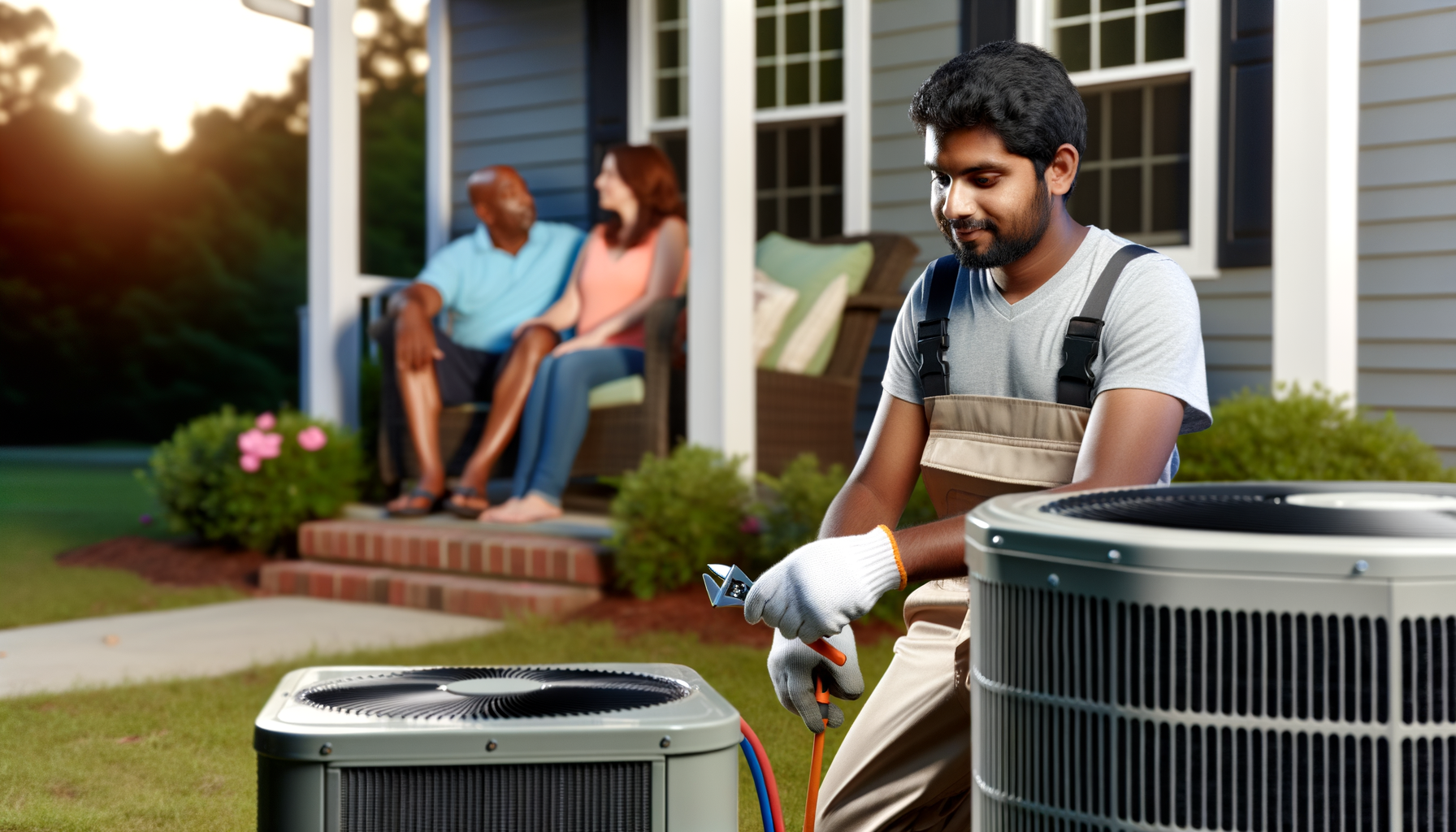
Smooth HVAC service experiences result from clear communication, transparent pricing, punctual scheduling, skilled technicians, and proactive maintenance planning. The best experiences happen when homeowners choose providers through trusted referrals and establish ongoing relationships rather than scrambling for emergency fixes.
Why Do Some HVAC Service Calls Feel Effortless While Others Turn Into Nightmares?
The difference between a smooth HVAC service experience and a stressful one often comes down to preparation and the service provider you choose. When your neighbor recommends their longtime HVAC technician, they're sharing years of trust-building experiences. That technician has already proven their reliability, communication skills, and technical expertise through multiple interactions. In contrast, calling a random company from an online search often means starting from scratch with unknown variables. The smoothest HVAC experiences happen when homeowners invest time in finding the right provider before problems arise, rather than making desperate calls during system failures.
What Communication Practices Create Predictable Service?
Clear communication forms the foundation of any smooth service experience. The best HVAC providers follow these practices:
- Call 30 minutes before arrival with accurate time estimates and technician introduction
- Explain findings in plain language, showing you exactly what they're seeing
- Provide written estimates before starting any work, with clear breakdowns of parts and labor
- Send follow-up summaries with warranty information and maintenance recommendations
- Offer multiple contact methods and respond to questions within reasonable timeframes
- Discuss timeline expectations upfront and communicate immediately if delays occur
How Do Transparent Pricing Practices Reduce Stress?
Nothing destroys trust faster than surprise charges or vague pricing structures. Reliable HVAC companies establish clear pricing from the first interaction. They provide detailed written estimates that break down diagnostic fees, labor rates, parts costs, and any potential additional charges. Many offer flat-rate pricing for common services, eliminating the anxiety of watching the clock tick during repairs. The best providers explain their pricing structure upfront and honor their quotes unless you approve additional work. When friends recommend their HVAC provider, pricing transparency is often a key reason for their satisfaction. They know what to expect because the company has consistently delivered on their promises.
What Technical Competencies Should You Expect?
Beyond communication and pricing, technical expertise determines whether your HVAC problems actually get solved. Look for these competencies:
- Proper diagnostic procedures using calibrated testing equipment
- Knowledge of your specific system brand and model
- Ability to explain the root cause of problems, not just symptoms
- Recommendations for preventive maintenance based on your system's age and usage
- Clean, organized work practices with proper safety protocols
- Access to quality replacement parts and ability to source hard-to-find components
- Understanding of local building codes and permit requirements
How Does Scheduling Reliability Impact Your Experience?
Predictable HVAC service starts with reliable scheduling. The best providers maintain realistic schedules and communicate proactively about any changes. They offer specific appointment windows rather than vague "sometime between 8 AM and 5 PM" promises. When delays occur, they call ahead with updated timing and explanations. Many established providers offer emergency services with clear policies about after-hours rates and response times. This scheduling reliability becomes particularly valuable during extreme weather when HVAC systems face their greatest stress. Providers recommended through personal networks often maintain better scheduling practices because their reputation depends on consistent service delivery to a community of connected customers.
What Should You Prepare Before Service Visits?
Your preparation significantly impacts service quality and efficiency. Complete these steps before your technician arrives:
- Clear access paths to all HVAC equipment, both indoor and outdoor units
- Compile a list of specific symptoms, including when they occur and any patterns you've noticed
- Gather warranty documents, previous service records, and system manuals
- Note the age, brand, and model of your HVAC system if known
- Prepare questions about maintenance schedules and energy efficiency improvements
- Secure pets and inform household members about the scheduled service
- Take photos of any visible issues like leaks, unusual wear, or error codes
Why Do Long-Term Relationships Lead to Better Service?
The smoothest HVAC experiences develop through ongoing relationships with trusted providers. When a technician services your system regularly, they understand its history, quirks, and maintenance needs. They can spot developing problems before they cause failures and recommend optimal timing for replacements or upgrades. This familiarity reduces diagnostic time and increases repair accuracy. Long-term providers also have incentives to maintain quality service since their reputation in your network depends on consistent performance. They're more likely to stand behind their work and prioritize your calls during busy periods. Building these relationships starts with choosing providers through trusted recommendations rather than random searches.
What Red Flags Signal Potentially Poor Service?
Recognizing warning signs early can save you from frustrating service experiences:
- Door-to-door solicitation or high-pressure sales tactics
- Reluctance to provide written estimates or licensing information
- Significantly lower bids without clear explanations for cost differences
- Poor communication during initial contact or scheduling difficulties
- Lack of proper insurance or inability to provide references
- Pushing for immediate system replacement without thorough diagnosis
- Cash-only payment requirements or requests for large upfront payments
How Do Emergency Situations Affect Service Quality?
Emergency HVAC calls often result in higher costs and less predictable service quality. When your system fails during a heatwave or cold snap, you're operating from a position of urgency rather than careful selection. The best way to handle HVAC emergencies is to avoid them through preventive maintenance and early problem identification. However, when emergencies occur, having an established relationship with a trusted provider makes all the difference. They're more likely to prioritize your call, offer fair emergency pricing, and provide temporary solutions while sourcing parts. Many homeowners discover their best HVAC providers through recommendations from others who've navigated similar emergency situations successfully.
The best HVAC service call is the one that prevents three future emergency calls. A good technician doesn't just fix today's problem – they help you understand your system and maintain it properly.
Mike Rodriguez, HVAC contractor with 18 years experience
Frequently Asked Questions
How far in advance should I schedule routine HVAC maintenance?
Schedule maintenance 2-4 weeks in advance during peak seasons (spring for AC, fall for heating). Most providers offer better scheduling flexibility and pricing for planned maintenance versus emergency calls.
What's a reasonable timeframe for getting repair estimates?
Reputable HVAC companies typically provide written estimates within 24-48 hours of diagnosing your system. Complex issues requiring special parts research may take up to a week for complete estimates.
Should I get multiple quotes for HVAC repairs?
For major repairs or replacements over $500, getting 2-3 quotes is wise. For minor repairs under $200, the time investment may not justify the savings, especially with trusted providers.
How do I know if an HVAC technician is properly qualified?
Verify current licensing, insurance coverage, and manufacturer certifications for your equipment brand. Ask about continuing education and how long they've worked with your system type.
What should I do if I'm unsatisfied with HVAC service?
Address concerns immediately with the company manager. Document issues with photos and communications. Reputable companies will return to resolve problems at no additional charge within their warranty period.
How often should I have my HVAC system serviced?
Most systems benefit from annual professional maintenance, with some high-use systems requiring bi-annual service. Your technician can recommend optimal frequency based on your specific equipment and usage patterns.
Take Action
Before your next HVAC service need arises, ask three neighbors or colleagues who they trust for heating and cooling repairs. Building relationships with reliable providers before emergencies occur ensures smoother, more predictable service experiences when you need them most.
Smooth and predictable HVAC service experiences result from choosing the right provider, preparing properly, and building long-term relationships rather than making emergency decisions. The most satisfied homeowners consistently report that their best service experiences came through recommendations from trusted friends and neighbors. These referrals connect you with providers who have already proven their reliability, communication skills, and technical competence through real-world performance. By investing time in finding trustworthy HVAC professionals before problems arise, you transform potentially stressful situations into routine maintenance experiences that protect your comfort and budget.