
What Makes an Auto Service Experience Feel Trustworthy
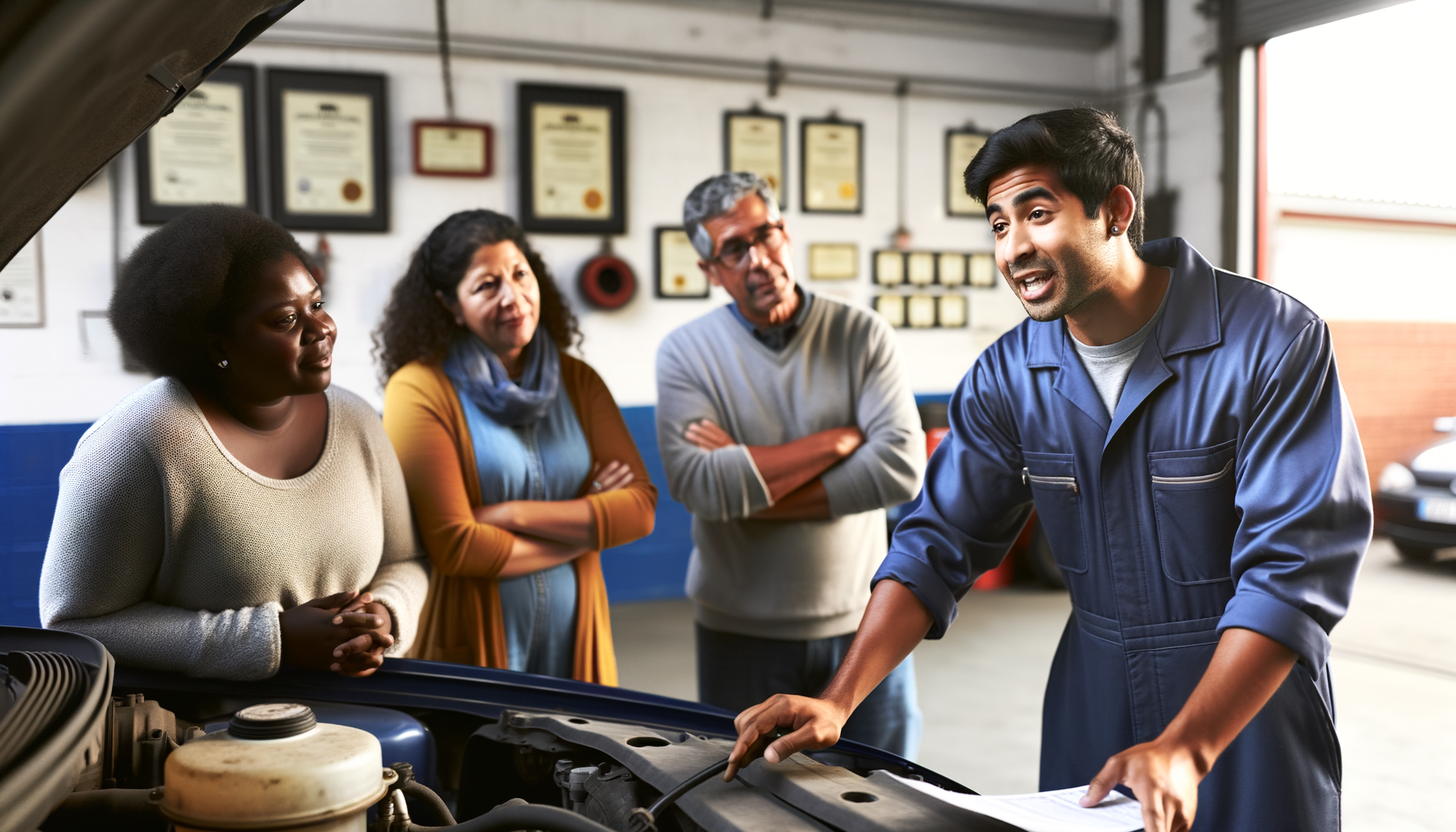
Trustworthy auto service experiences are built on transparent communication, fair pricing, personal recommendations, clean facilities, certified technicians, and mechanics who take time to explain repairs without pressuring customers into unnecessary services.
Why Does Trust Matter So Much in Auto Service?
When your car breaks down, you're often at your most vulnerable. You need transportation to get to work, pick up kids, and handle daily life. This dependency creates an inherent power imbalance between you and your mechanic. Unlike buying a product you can easily return, auto repairs are complex services that require specialized knowledge most customers don't have. You're essentially trusting someone to diagnose problems you can't see, recommend solutions you can't verify, and charge fairly for work you can't evaluate. This is why trust isn't just nice to have in auto service – it's absolutely essential. The difference between a trustworthy shop and one that takes advantage of customers can mean hundreds or even thousands of dollars, not to mention your safety on the road.
What Role Do Personal Recommendations Play?
Personal recommendations are the gold standard for finding trustworthy auto service. When someone you know and trust tells you about their positive experience with a mechanic, they're essentially lending you their credibility. They've already done the vetting process – they've experienced the service quality, pricing, and communication style firsthand. These recommendations are especially valuable because they come with context about the recommender's standards and experiences. Your detail-oriented neighbor who's particular about everything probably has higher standards than someone who's more laid-back about car maintenance. Friends and family members also have nothing to gain from steering you wrong, unlike online reviews that can be fake or incentivized. The strongest recommendations often come from people in your extended network – colleagues, neighbors, or friends of friends who have similar needs and standards as you do.
What Are the Clear Signs of a Trustworthy Auto Shop?
Several concrete indicators can help you identify whether an auto service provider operates with integrity:
- Clean, organized facilities with visible business licenses and technician certifications displayed prominently
- Mechanics who take time to show you the problem and explain the repair in terms you can understand
- Written estimates provided before any work begins, with clear breakdowns of parts and labor costs
- Willingness to let you see the old parts they've replaced and explain why replacement was necessary
- Staff who don't pressure you into immediate decisions or push expensive services without clear justification
- Fair pricing that's competitive with other reputable shops in your area, not suspiciously cheap or expensive
- Good communication throughout the process, including updates if additional problems are discovered
How Important Is Transparent Communication?
Transparent communication is perhaps the single most important factor in building trust during auto service. Trustworthy mechanics understand that most customers aren't automotive experts, so they take time to explain problems in plain language without talking down to you. They'll show you the issue when possible, whether it's worn brake pads, a cracked belt, or a leaking fluid. They also provide context about urgency – is this something that needs immediate attention for safety reasons, or can it wait a few months? Good shops will also explain their diagnostic process and why certain tests or inspections are necessary. They're upfront about their pricing structure and will call you before performing any work beyond the original estimate. Most importantly, they never make you feel stupid for asking questions or requesting clarification about recommended services.
What Should You Do Before Choosing an Auto Service Provider?
- Ask at least three people you trust who they use for car repairs and why they recommend them
- Check that the shop has proper business licensing and that technicians hold relevant certifications
- Visit the facility in person to assess cleanliness, organization, and overall professionalism
- Ask about their warranty policy on parts and labor for the type of work you need
- Inquire about their diagnostic process and whether diagnostic fees apply toward repair costs
- Request references from other customers who've had similar work done recently
- Verify they carry proper insurance and bonding to protect against potential issues
Why Do Certifications and Credentials Matter?
Professional certifications aren't just pieces of paper – they represent ongoing education and commitment to industry standards. ASE (Automotive Service Excellence) certification is the most recognized credential in the industry, requiring technicians to pass rigorous exams and maintain their knowledge through continuing education. Manufacturer-specific certifications indicate specialized training on particular brands, which is especially valuable for newer vehicles with complex electronic systems. These credentials matter because automotive technology evolves rapidly, and certified technicians stay current with new diagnostic techniques, repair procedures, and safety protocols. Shops that invest in their technicians' education typically provide higher quality service and stand behind their work. However, certifications should be just one factor in your decision – a certified technician who communicates poorly or works in a disorganized shop may still provide a frustrating experience.
How Can You Build an Ongoing Relationship?
The best auto service experiences happen when you develop an ongoing relationship with a trusted shop rather than jumping around to different providers. A mechanic who knows your car's history can spot patterns, anticipate potential issues, and provide more personalized service. They'll remember your budget constraints, driving habits, and priorities when making recommendations. Building this relationship starts with smaller services like oil changes or inspections before trusting them with major repairs. Pay attention to how they treat you during routine maintenance – do they point out potential issues without being pushy? Do they keep good records of your service history? A shop invested in long-term relationships will focus on keeping your car running reliably rather than maximizing profit from each visit. They understand that satisfied customers become their best source of referrals and repeat business.
What Red Flags Should Make You Walk Away?
Certain behaviors and practices are immediate red flags that should send you looking elsewhere. High-pressure sales tactics, especially for expensive services, indicate a shop more interested in profit than customer welfare. Be wary of mechanics who won't let you see the problem they're describing or who refuse to show you old parts they've replaced. Estimates that seem drastically higher or lower than competitors may indicate either price gouging or corner-cutting on quality. Shops that can't provide proper documentation, certifications, or references are operating unprofessionally. Poor communication – not returning calls, being vague about timelines, or being dismissive of your questions – suggests they don't value customer relationships. Finally, be cautious of any shop that discovers multiple expensive problems during what should have been routine service, especially if they insist everything needs immediate attention.
The best mechanics I know spend more time explaining repairs than actually doing them. They understand that an informed customer is a trusting customer.
Mike Rodriguez, ASE Master Technician with 25 years experience
Frequently Asked Questions
How do I know if a mechanic's pricing is fair?
Fair pricing falls within the local market range for similar services. Get quotes from 2-3 reputable shops for comparison, and ask for detailed breakdowns of parts and labor costs to ensure transparency.
Should I always get a second opinion for expensive repairs?
Yes, for repairs over $500, a second opinion is wise. Trustworthy mechanics welcome this and may even suggest it for major work. It protects both you and them from potential disputes.
What's the best way to find a trustworthy mechanic in a new area?
Start by asking neighbors, coworkers, and local community groups for recommendations. People who live nearby face similar driving conditions and likely have tested multiple local options before settling on their preferred shop.
How long should a reputable shop take to diagnose problems?
Simple issues might be diagnosed in 30 minutes, while complex problems can take several hours or even days. Trustworthy shops explain their diagnostic process and provide realistic timelines upfront.
Is it okay to bring my own parts to save money?
Many reputable shops accept customer-supplied parts but won't warranty them. Discuss this upfront, as some shops prefer using their own parts to ensure quality and provide complete service warranties.
What should I do if I'm not satisfied with completed work?
Contact the shop immediately to discuss your concerns. Trustworthy businesses want to resolve issues and will work with you to address problems. Document everything and escalate to management if necessary.
Take Action
Before you need emergency car repairs, ask three people in your network who they trust for auto service. Having these recommendations ready will save you from making rushed decisions when your car breaks down unexpectedly.
Trust in auto service isn't built overnight – it's earned through consistent transparent communication, fair pricing, and genuine care for customer safety and satisfaction. The most reliable way to find this kind of service is through personal recommendations from people whose judgment you trust. When you do find a trustworthy mechanic, invest in building that relationship through regular maintenance and honest communication about your needs and budget. Remember that the cheapest option isn't always the best value, and the most expensive isn't necessarily the highest quality. Focus on finding professionals who treat you with respect, explain their work clearly, and stand behind their services. Your car is likely your second-largest investment after your home – it deserves care from someone you can truly trust.