
What Keeps Drivers Loyal to One Service Center?
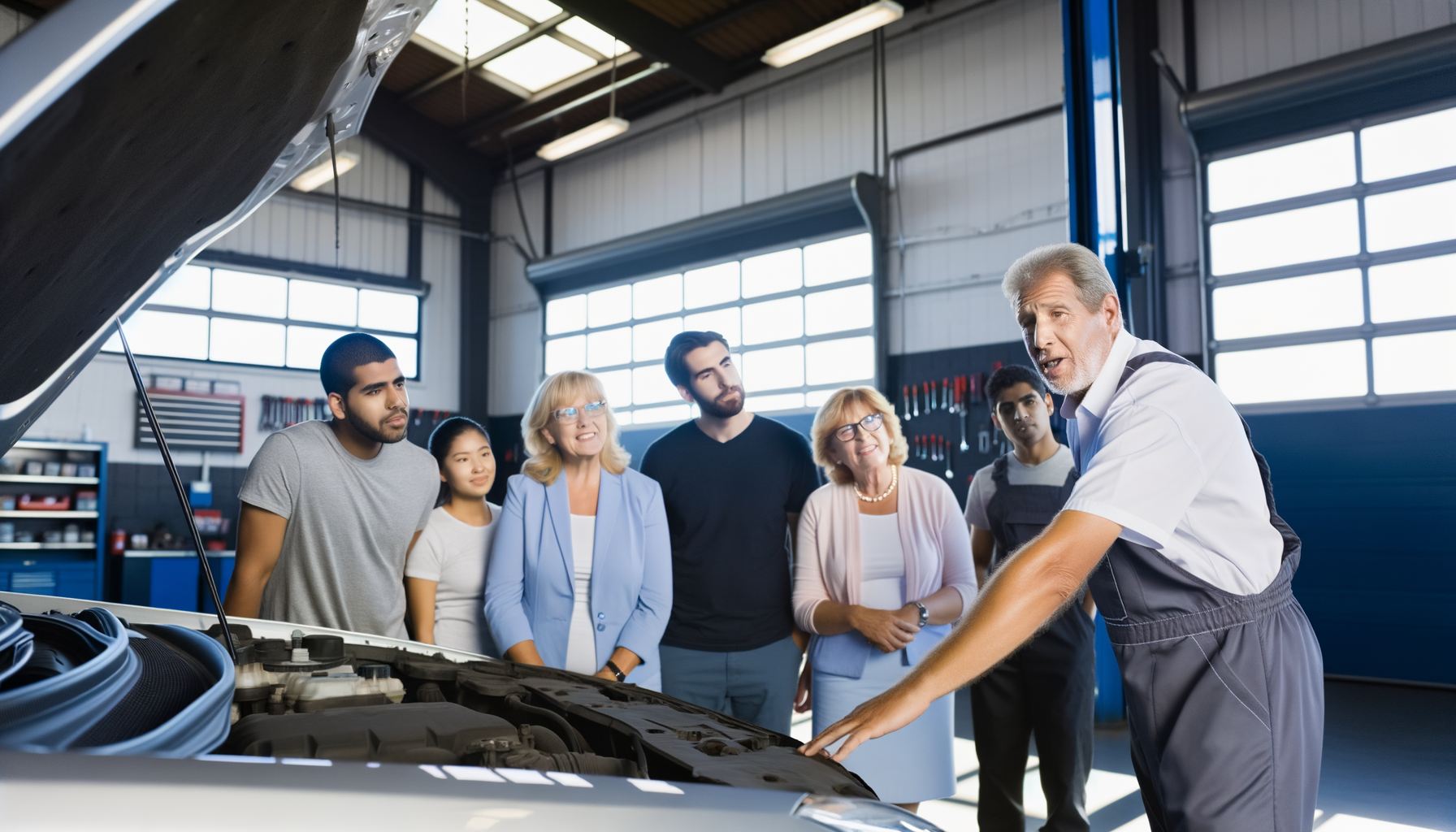
Drivers stay loyal to service centers that build personal relationships, demonstrate consistent expertise, maintain transparent communication about repairs and costs, and create trust through honest recommendations that prioritize the customer's best interests over profit.
Why Do Some Drivers Never Shop Around for Service?
While many consumers comparison shop for everything from groceries to insurance, automotive service tells a different story. Research shows that 73% of drivers who find a trusted service center stick with them for over five years, with many maintaining relationships that span decades. This loyalty runs deeper than convenience or habit—it's built on something far more valuable in today's transaction-heavy world: genuine trust. When you find a service center that consistently delivers on their promises, explains problems clearly, and treats your vehicle like their own, you've discovered something worth keeping. The most loyal customers often describe their service relationship as feeling more like a partnership than a business transaction, where the staff knows their car's history, remembers their preferences, and genuinely cares about their safety on the road.
What Creates Unshakeable Trust Between Driver and Service Center?
Trust doesn't happen overnight, but certain behaviors from service centers create lasting confidence that keeps customers coming back year after year:
- Honest diagnostics that sometimes result in "nothing's wrong" with no charge, proving they prioritize accuracy over profit
- Detailed explanations of problems using visual aids, photos, or by showing customers the actual worn parts
- Transparent pricing with written estimates that break down labor, parts, and additional fees before work begins
- Proactive communication about delays, unexpected discoveries, or alternative repair options during service
- Standing behind their work with comprehensive warranties and immediate resolution if issues arise
- Personal recognition of regular customers, remembering their vehicle history and previous conversations
- Education-focused approach that helps customers understand their vehicle and make informed maintenance decisions
How Important Is Personal Relationship in Service Loyalty?
The human element remains the strongest predictor of service center loyalty, even in our increasingly digital world. Customers consistently rate "feeling known and valued" as more important than price when choosing where to service their vehicle. This personal connection manifests in numerous ways: service advisors who remember your name and your car's quirks, technicians who take time to explain repairs in terms you understand, and front desk staff who accommodate your schedule and preferences. Many loyal customers describe their service center team as extended family members who genuinely care about their well-being. This relationship becomes particularly valuable during stressful situations—when your car breaks down unexpectedly, having people you trust guide you through solutions provides immense peace of mind. The most successful service centers understand that they're not just fixing cars; they're maintaining relationships that often span multiple vehicles and even generations of families.
What Specific Behaviors Build Long-Term Customer Loyalty?
Service centers that maintain loyal customer bases consistently demonstrate these relationship-building practices:
- Keep detailed service records and proactively remind customers about upcoming maintenance needs based on their driving patterns
- Provide realistic timelines for repairs and consistently meet or exceed their promises for completion
- Offer multiple solution options for repairs, explaining the pros and cons of each approach without pressure
- Follow up after service to ensure customer satisfaction and address any concerns immediately
- Maintain consistent staffing so customers build relationships with specific team members over time
- Honor their word on estimates, warranties, and service commitments, even when it costs them money
- Educate customers about their vehicle's needs without creating unnecessary fear or urgency
Why Do Customers Value Expertise Over Low Prices?
While price certainly matters in service decisions, loyal customers consistently prioritize expertise and reliability over the lowest bid. This preference stems from understanding that automotive repair mistakes can be costly and dangerous. Experienced service centers demonstrate their expertise through accurate diagnoses that save customers money in the long run, preventive maintenance recommendations that extend vehicle life, and quality workmanship that eliminates repeat visits for the same problem. Loyal customers often share stories about times their trusted service center identified serious safety issues that cheaper alternatives had missed, reinforcing the value of expertise. Additionally, established service centers typically have better relationships with parts suppliers, access to technical resources, and experience with a wide range of vehicle problems. This depth of knowledge translates into more efficient service, fewer comebacks, and greater confidence in the repair quality. When customers find a service center that consistently demonstrates superior technical knowledge, they're willing to pay reasonable prices for that expertise.
How Can You Evaluate Your Service Center's Loyalty-Worthiness?
Use this checklist to assess whether your current service center demonstrates the qualities that create lasting loyalty:
- They provide written estimates before performing any work beyond basic inspections
- Staff members remember your name and details about your vehicle without looking them up
- They explain problems clearly and show you evidence when possible
- You've never felt pressured to approve unnecessary or overpriced services
- They stand behind their work with clear warranties and honor them without hassle
- Other customers in the waiting area seem relaxed and familiar with the staff
- They maintain clean, organized facilities that reflect attention to detail
- Staff members ask about your driving habits to better understand your service needs
- They follow up after service to ensure you're satisfied with the work
- You feel comfortable asking questions without worrying about appearing ignorant
What Role Does Community Reputation Play in Service Loyalty?
Community reputation serves as both a driver of initial customer acquisition and a reinforcer of ongoing loyalty. Service centers with strong local reputations benefit from continuous word-of-mouth referrals, creating a self-reinforcing cycle of trust. When multiple people in your network recommend the same service center, it validates your decision to remain loyal and provides confidence in their continued quality. These established businesses often become community institutions, with multi-generational customer relationships and deep local roots. Their reputation also attracts and retains skilled technicians who want to work for respected employers, further enhancing service quality. Loyal customers often become informal ambassadors, sharing positive experiences with friends, family, and coworkers. This community validation reinforces the customer's decision to maintain the relationship and creates accountability for the service center to maintain their standards. The most loyalty-inspiring service centers actively participate in their communities through sponsorships, charity work, or local events, demonstrating their commitment to more than just profit.
I've been going to the same service center for fifteen years, not because they're the cheapest, but because I trust them completely. When they tell me something needs attention, I know it really does. When they say I can wait, I don't worry. That peace of mind is worth more than saving a few dollars elsewhere.
Maria Rodriguez, loyal customer since 2009
How Do Service Centers Maintain Loyalty During Ownership Changes?
Ownership transitions present unique challenges for service centers with established loyal customer bases. The most successful transitions occur when new owners recognize that they're inheriting relationships, not just facilities and equipment. Smart new owners retain key staff members who have built personal connections with customers, maintain existing service standards and policies, and communicate changes transparently to the customer base. They understand that loyal customers chose the business based on specific people and practices, so dramatic changes can quickly erode years of built trust. Successful transitions often involve gradual improvements rather than immediate overhauls, allowing customers to adjust to changes while maintaining familiar touchpoints. New owners who take time to personally meet long-term customers and understand their service history demonstrate respect for existing relationships. However, ownership changes also provide opportunities to address any weaknesses in the previous operation while building on established strengths. The key is maintaining the core elements that created loyalty while potentially enhancing areas like technology, facility improvements, or expanded services.
Frequently Asked Questions
How long does it typically take to build loyalty with a new service center?
Most customers report feeling confident in their service center choice after 2-3 positive experiences, but true loyalty typically develops over 1-2 years of consistent quality service, honest communication, and demonstrated expertise.
Should I stay loyal to a service center if their prices increase significantly?
Consider the total value, not just price. If they maintain quality, transparency, and personal service, modest increases may be justified. However, dramatic price jumps without improved value warrant shopping around for alternatives.
What's the biggest mistake service centers make that destroys customer loyalty?
Breaking trust through dishonest recommendations or unnecessary repairs. Once customers discover they've been deceived about their vehicle's needs, the relationship is typically irreparable, regardless of other positive factors.
How do I know if my loyalty is misplaced?
Warning signs include frequent repeat visits for the same problem, reluctance to explain repairs clearly, pressure tactics for expensive services, or multiple recommendations for work that other shops say isn't necessary.
Is it worth staying loyal to a service center if key staff members leave?
Monitor service quality closely after staff changes. If new team members maintain the same standards of honesty, expertise, and customer care, loyalty may remain worthwhile. Otherwise, consider exploring other options.
Do independent shops or chains typically generate more customer loyalty?
Independent shops often create stronger personal relationships and loyalty, but some chain locations with stable management and staff also maintain loyal customer bases. The key is consistent, personal service regardless of business model.
Take Action
Before choosing a service center based on online reviews alone, ask three people you trust about their long-term automotive service experiences. Find out who they trust with their family's safety and why that relationship has lasted.
Service center loyalty thrives on trust, expertise, and genuine personal relationships that develop over time. The most successful service centers understand they're not just maintaining vehicles—they're building partnerships with customers who depend on their expertise and honesty for safe, reliable transportation. While competitive pricing matters, loyal customers consistently value transparent communication, consistent quality, and personal attention over rock-bottom prices. When you find a service center that demonstrates these qualities consistently, you've discovered a valuable relationship worth maintaining. The peace of mind that comes from trusting your service provider completely, knowing they'll give honest advice and stand behind their work, proves invaluable when vehicle issues arise. In a world where many businesses focus on transactions, the service centers that build lasting loyalty understand that their success depends on nurturing long-term relationships built on mutual respect and trust.