
Essential Info to Collect After Any Car Accident
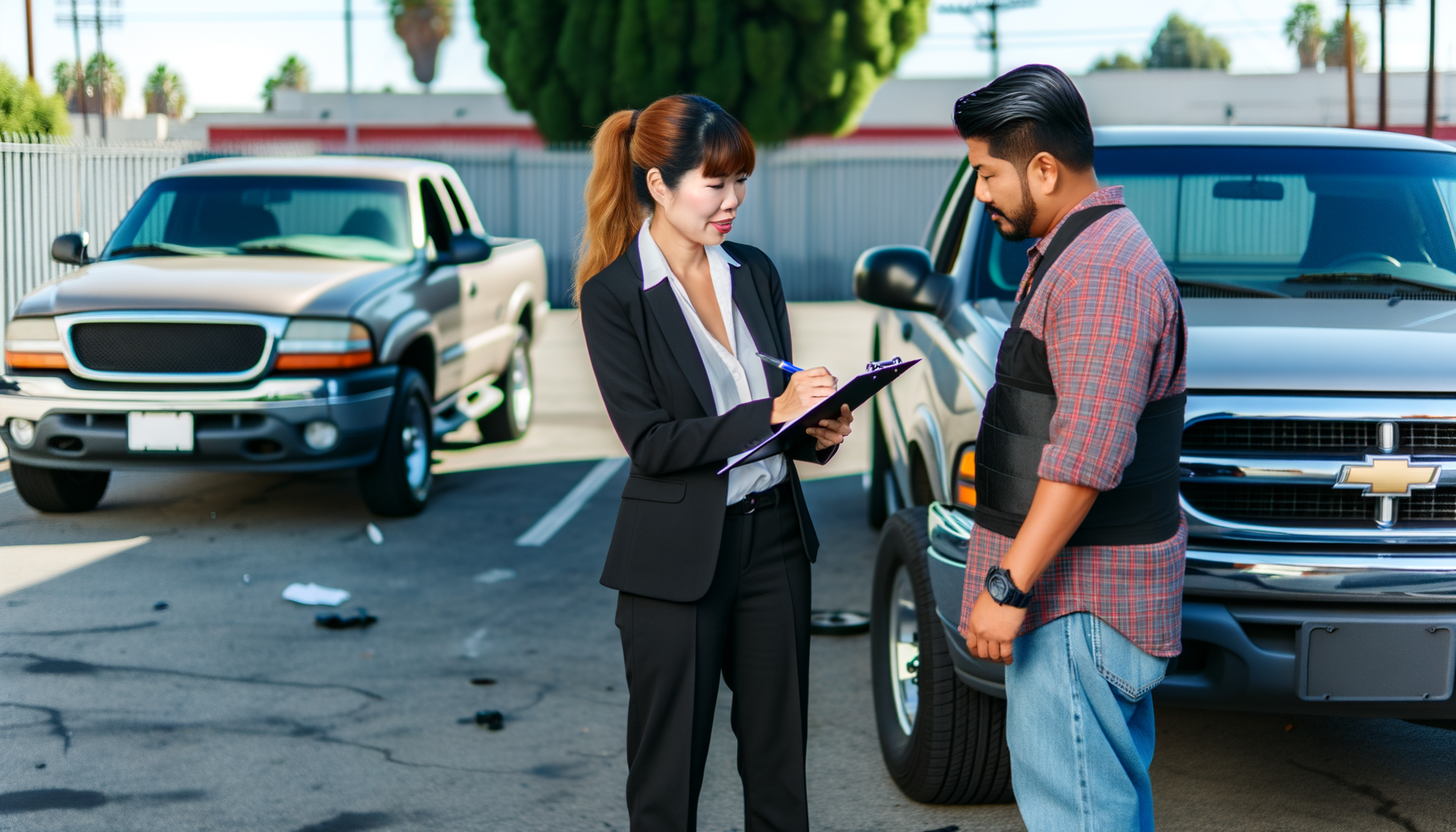
Collect driver information, insurance details, vehicle descriptions, witness contacts, photos of damage and scene, police report number, and location details. Document everything immediately while details are fresh and all parties are present.
Why Is Thorough Documentation So Critical?
The moments after a car accident determine how smoothly your insurance claim and any legal proceedings will unfold. Incomplete information collection is the leading cause of delayed claims, disputed liability, and out-of-pocket expenses that should have been covered. Insurance adjusters rely entirely on the documentation you provide to assess fault and determine payouts. Missing a crucial detail like a witness contact or failing to photograph hidden damage can cost you thousands of dollars and months of frustration. Your memory of events will fade, but proper documentation creates an unshakeable record that protects your interests long after the accident scene is cleared.
What Driver Information Must You Collect?
Start with the other driver's essential identification and contact details:
- Full legal name (as it appears on their driver's license)
- Phone number and verify it works by calling or texting
- Home address and confirm they still live there
- Driver's license number and expiration date
- License plate number for their vehicle
- Email address for follow-up communication
- Employer information if driving a company vehicle
Which Insurance Details Are Essential?
Insurance information forms the backbone of your claim, so collect every detail carefully. Get the insurance company name, policy number, and policy holder's name if different from the driver. Take a photo of their insurance card rather than just writing down numbers—this prevents transcription errors and provides visual proof. Ask for the phone number of their insurance agent or company claims department. If they claim to be uninsured, document this statement and note the time you asked. Some drivers will lie about having insurance to avoid immediate complications, but your thorough documentation will reveal the truth during the claims process.
What Vehicle Information Should You Document?
Complete vehicle details help prevent disputes about which car was involved:
- Make, model, year, and color of all vehicles
- Vehicle Identification Number (VIN) from dashboard or door frame
- License plate numbers and states of registration
- Location and extent of damage on each vehicle
- Pre-existing damage that's clearly unrelated to this accident
- Any modifications or aftermarket parts visible
- Commercial vehicle information including company name and DOT numbers
How Do You Properly Collect Witness Information?
Independent witnesses provide the most credible testimony about accident circumstances, making their information incredibly valuable. Approach witnesses immediately before they leave the scene—many people will help if asked politely but won't volunteer. Collect their full name, phone number, and email address. Ask them to briefly describe what they saw and write down key quotes. If possible, ask witnesses to provide a written statement on the spot or record a voice memo on your phone with their permission. Passengers in either vehicle are not considered independent witnesses, but their information can still be useful. Don't forget to check nearby businesses for security cameras that might have captured the incident.
What Photos Must You Take at the Scene?
Visual evidence tells the story when memories fail or accounts differ:
- Wide shots showing the entire accident scene and vehicle positions
- Close-ups of damage to all vehicles from multiple angles
- Street signs, traffic signals, and any relevant road conditions
- Skid marks, debris, or fluid spills on the roadway
- The other driver's license, insurance card, and registration
- Interior damage like deployed airbags or broken glass
- Any injuries visible on yourself or others (with permission)
- Weather and lighting conditions at the scene
What Official Information Should You Obtain?
Police reports provide official documentation that carries significant weight with insurance companies and courts. If officers respond to the scene, get the report number, responding officer's name and badge number, and the police department handling the report. Ask when the report will be available and how to obtain copies. Even if police don't come to the scene, you may be able to file a report at the nearest station within 24-48 hours. Some jurisdictions allow online accident reporting for minor incidents. If the accident occurs on private property like a parking lot, police may not respond, making your documentation even more critical.
How Do You Document the Accident Scene and Conditions?
Environmental factors often contribute to accidents and affect liability determinations. Record the exact location using cross streets or address numbers, and note the time of day and current weather conditions. Document any road hazards like potholes, construction zones, or obscured signs that may have contributed to the accident. Note traffic control devices like stop signs, yield signs, or traffic lights and their current state. If the accident happened in a parking lot, note whether it's private property and look for posted speed limits or traffic rules. Take photos of the broader scene to show sight lines, curves, or hills that might have affected visibility.
What Personal Information Should You Track?
Your own thorough record-keeping protects you throughout the claims process:
- Your immediate account of how the accident happened
- Any pain or discomfort you feel, even if minor
- Damage to personal property like phones, laptops, or clothing
- Time missed from work due to vehicle repairs or injuries
- Names and contact information for any medical providers you see
- All expenses related to the accident including towing and rental cars
- Communication log with insurance companies and adjusters
When Should You Contact Professional Help?
Some accidents require immediate professional assistance beyond basic information collection. Call 911 if anyone appears injured, even slightly, as some injuries don't manifest symptoms immediately. Contact a towing service if vehicles are unsafe to drive, but document their location before they're moved. For significant accidents involving injuries, substantial property damage, or disputes about fault, consider consulting with an attorney who specializes in auto accidents. They can guide you through complex insurance negotiations and ensure you don't accept inadequate settlements. Having trusted professionals identified before you need them eliminates the stress of finding help during an emergency.
Frequently Asked Questions
What if the other driver refuses to provide their information?
Call police immediately if a driver won't share required information. Take photos of their license plate and vehicle, and document their refusal. Most states legally require drivers to exchange information after accidents.
Should I collect information for minor fender benders?
Always collect complete information regardless of damage severity. Minor accidents can reveal hidden damage later, and some injuries don't appear immediately. Thorough documentation protects you from future claims.
How long do I have to report an accident to insurance?
Report accidents to your insurance company within 24-48 hours, even if you're not at fault. Many policies require prompt notification, and delays can complicate or invalidate your claim.
What if I forgot to collect some information at the scene?
Contact the other driver as soon as possible to get missing information. If you can't reach them, your insurance company may help locate details through the police report or their own investigation.
Can I use my phone to record the other driver's statement?
Only record conversations with clear permission from the other party. Some states require two-party consent for recordings. Focus on written documentation and photos which don't require consent and are equally effective.
What information do I need if I hit a parked car?
Collect the same information as any accident: vehicle details, insurance information from the owner if present, photos of damage, and location details. Leave a note with your contact information if the owner isn't available.
Stay Prepared for the Unexpected
Accidents happen when you least expect them. Keep our complete accident documentation checklist in your glove compartment and save trusted contact information for towing services, repair shops, and legal help in your phone. When you need reliable service providers after an accident, tools like Linked By Six automatically show you which local businesses your friends and colleagues already trust—helping you find vetted professionals when you're dealing with stress and time pressure.
Proper information collection at accident scenes protects your financial and legal interests for months or years afterward. The few extra minutes spent gathering complete documentation can save you thousands of dollars in disputed claims and lengthy legal battles. Focus on facts, take comprehensive photos, and collect contact information from everyone involved. Remember that your thorough preparation today determines how smoothly you'll navigate the insurance and repair process tomorrow. Keep this checklist accessible and practice the steps mentally so you're ready to act calmly and systematically when accidents occur.