
What Homeowners Want in a Trusted HVAC Partner
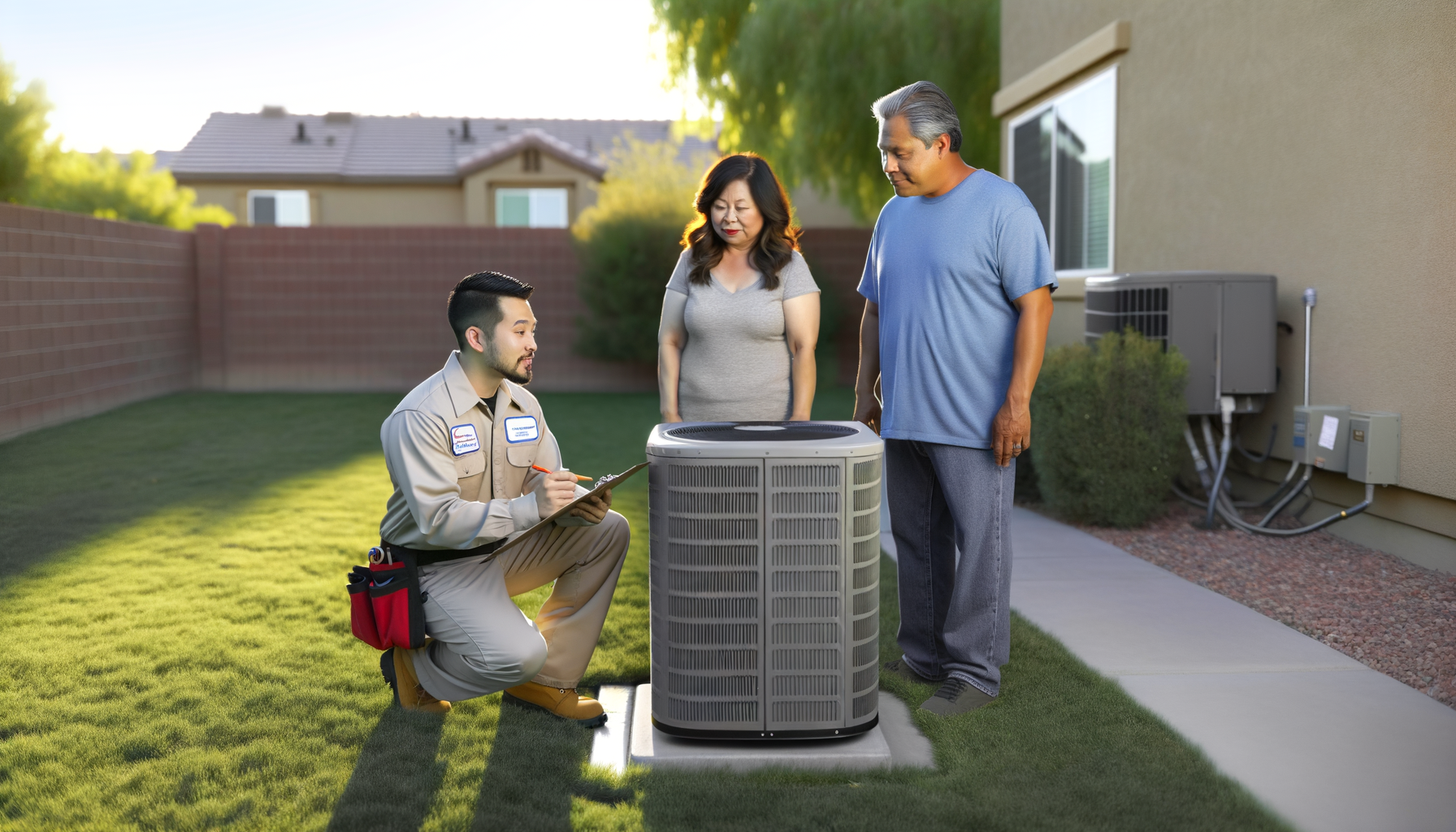
Homeowners prioritize reliability, transparent pricing, preventive maintenance expertise, emergency availability, and clear communication when selecting long-term HVAC maintenance partners. Trust-building through consistent service quality and honest recommendations drives lasting relationships over lowest-price options.
Why Do Homeowners Prioritize Reliability Above All Else?
When your furnace fails on the coldest day of winter or your air conditioner stops working during a heat wave, you need someone you can count on. Homeowners consistently rank reliability as their top priority when choosing an HVAC maintenance partner because comfort emergencies can't wait. A reliable partner shows up on time for scheduled maintenance, responds quickly to urgent calls, and stands behind their work with warranties and guarantees. This reliability extends beyond just showing up—it means having the right parts in stock, maintaining proper licensing and insurance, and employing trained technicians who can diagnose problems accurately the first time. Homeowners often discover their most trusted HVAC partners through recommendations from neighbors, family members, or friends who've experienced this reliability firsthand during their own heating and cooling emergencies.
What Communication Qualities Matter Most?
Clear, honest communication builds the foundation of trust between homeowners and their HVAC partners. The best maintenance relationships thrive when contractors demonstrate these essential communication traits:
- Explaining technical issues in simple, understandable terms without talking down to customers
- Providing upfront estimates and explaining all costs before starting any work
- Offering multiple repair options with honest assessments of cost versus benefit
- Sending reminders for scheduled maintenance and following up after service calls
- Being transparent about timelines and any potential delays or complications
- Educating homeowners about their systems and basic maintenance they can perform themselves
How Important Is Preventive Maintenance Expertise?
Homeowners seeking long-term HVAC partnerships understand that prevention costs far less than emergency repairs. They look for contractors who emphasize proactive maintenance over reactive fixes, demonstrating expertise in extending system life and preventing costly breakdowns. The ideal HVAC partner creates customized maintenance schedules based on system age, usage patterns, and manufacturer recommendations rather than offering one-size-fits-all service packages. They perform thorough inspections, replace filters and worn components before they fail, and maintain detailed service records that track system performance over time. Experienced homeowners often ask neighbors and colleagues about their maintenance experiences—specifically looking for contractors who caught potential problems early and saved them from expensive emergency repairs. This preventive approach not only saves money but also ensures consistent home comfort throughout the year.
What Should Emergency Service Coverage Include?
When HVAC systems fail unexpectedly, homeowners need partners who can respond quickly and effectively. Comprehensive emergency service should provide:
- 24/7 availability for true emergencies, not just business-hour callbacks
- Response time commitments with regular updates if delays occur
- Fully stocked service vehicles to complete most repairs on the first visit
- Temporary solutions when parts must be ordered or extensive repairs are needed
- Clear emergency pricing that doesn't include excessive after-hours surcharges
- Priority scheduling for existing maintenance agreement customers
Why Does Transparent Pricing Build Long-Term Trust?
Hidden fees and surprise charges destroy trust faster than any other factor in HVAC relationships. Homeowners value partners who provide clear, upfront pricing for both routine maintenance and unexpected repairs. This transparency includes detailed estimates that break down labor, parts, and any additional costs before work begins. The most trusted HVAC contractors offer flat-rate pricing for common services, making it easy for homeowners to budget for maintenance and compare options fairly. They also explain their pricing structure clearly—why emergency calls cost more, how maintenance agreements provide savings, and what factors influence repair costs. Smart homeowners often ask their networks about contractors who provided accurate estimates and stuck to quoted prices, as this reliability in pricing often reflects reliability in service quality as well.
How Do Credentials and Insurance Protect Homeowners?
Professional credentials and proper insurance coverage protect both homeowners and contractors, making them essential factors in partnership selection. Homeowners look for contractors with current state licenses, manufacturer certifications, and comprehensive liability insurance that covers potential damage during service calls. These credentials demonstrate commitment to professional standards and ongoing education about evolving HVAC technology. Insurance coverage provides peace of mind that accidents or mistakes won't become the homeowner's financial responsibility. The best HVAC partners readily provide proof of licensing and insurance, often displaying this information on their vehicles and marketing materials. They also maintain bonds that protect customers from incomplete work or other contractor issues. When asking for referrals from trusted contacts, inquire specifically about contractors who proactively shared their credentials and insurance information—this transparency often indicates overall trustworthiness.
What Questions Should You Ask Potential HVAC Partners?
Before committing to a long-term HVAC maintenance relationship, evaluate potential partners using this comprehensive checklist:
- Are you licensed and insured in our state, and can you provide documentation?
- What does your standard maintenance agreement include, and what costs extra?
- How quickly do you typically respond to emergency service calls?
- Can you provide references from customers you've served for multiple years?
- What manufacturer certifications do your technicians maintain?
- How do you handle warranty work and guarantee your repairs?
- What payment options do you offer, and are there financing programs available?
- Do you provide detailed service reports and maintain customer history records?
- How far in advance do you typically schedule maintenance appointments?
- What steps do you take to protect our home during service visits?
Why Do Smart Homeowners Value System Education?
The best HVAC partnerships involve ongoing education that helps homeowners understand their systems and make informed decisions. Homeowners appreciate contractors who explain how their heating and cooling systems work, what normal sounds and performance indicators look like, and how to perform basic maintenance tasks between professional visits. This education empowers homeowners to recognize potential problems early, optimize their system efficiency, and avoid unnecessary service calls. Educational HVAC partners provide seasonal tips, explain when filters need changing, and help homeowners understand their energy usage patterns. They also keep customers informed about new technology and efficiency upgrades that might benefit their specific situations. When seeking referrals from friends and neighbors, ask about contractors who took time to teach them about their systems—these educational approaches often indicate patient, customer-focused service that builds lasting relationships.
The best HVAC contractor we've ever had spends time explaining what he's doing and why. He's taught us so much about our system that we can now spot potential problems early and take better care of our equipment between visits.
Jennifer K., homeowner of 15 years
How Do Maintenance Agreements Benefit Both Parties?
Well-structured maintenance agreements create win-win situations that benefit both homeowners and HVAC contractors while forming the foundation of long-term partnerships. For homeowners, these agreements provide scheduled maintenance, priority service, discounted repairs, and predictable annual costs that make budgeting easier. Quality maintenance agreements include comprehensive system inspections, filter changes, cleaning, and performance optimization that extends equipment life and maintains manufacturer warranties. Contractors benefit from predictable revenue and ongoing customer relationships that reduce marketing costs and provide opportunities to identify upgrade needs. The best maintenance agreements are clearly written, specify exactly what services are included, and provide real value beyond basic tune-ups. They often include emergency service priority, which means agreement customers get faster response times when systems fail. When evaluating potential HVAC partners, ask your network about contractors whose maintenance agreements delivered genuine value and prevented expensive emergency repairs.
Frequently Asked Questions
How much should I expect to pay for HVAC maintenance agreements?
Annual HVAC maintenance agreements typically cost $150-400 depending on system complexity and services included. The best value comes from agreements that include bi-annual tune-ups, priority emergency service, and repair discounts rather than basic inspection-only packages.
Should I choose the same company for repairs and maintenance?
Using one trusted HVAC partner for both maintenance and repairs provides consistency and system familiarity that often results in better service. They know your system's history and can spot developing problems during routine visits.
How often should HVAC systems receive professional maintenance?
Most HVAC systems need professional maintenance twice yearly—spring preparation for cooling season and fall preparation for heating season. Older systems or those in harsh climates may benefit from quarterly check-ups.
What's the difference between cheap and quality HVAC service?
Quality HVAC service focuses on thorough inspections, preventive repairs, and system optimization while cheap service often provides minimal tune-ups that miss developing problems. Quality providers invest in technician training and proper tools.
How can I verify an HVAC contractor's credentials and reputation?
Check state licensing databases, verify insurance coverage, and ask for local references from customers they've served for multiple years. The best validation comes from trusted friends and neighbors who've used their services long-term.
What should I do if my HVAC partner's service quality declines?
Address concerns directly with the company first, documenting specific issues and desired resolutions. If problems persist, start asking your network for alternative recommendations while you're not facing an emergency situation requiring immediate service.
Find Your Trusted HVAC Partner
Before searching online directories, reach out to neighbors, friends, and family members who've lived in your area for several years. Ask specifically about their long-term experiences with HVAC contractors and whether they'd hire them again for future work.
Finding the right HVAC maintenance partner requires looking beyond price to evaluate reliability, communication, expertise, and long-term value. The most successful homeowner-contractor relationships develop through personal recommendations and shared experiences within local communities. These trusted partnerships provide peace of mind, consistent comfort, and often prevent expensive emergency situations through proactive maintenance. By prioritizing contractors who demonstrate transparency, educational approaches, and genuine concern for system longevity, homeowners can establish relationships that serve them well for years to come. Remember that the best HVAC partners are often discovered through conversations with people you trust who've experienced their reliability firsthand during both routine maintenance and emergency situations.