
What Makes Drivers Stick With the Same Mechanic?
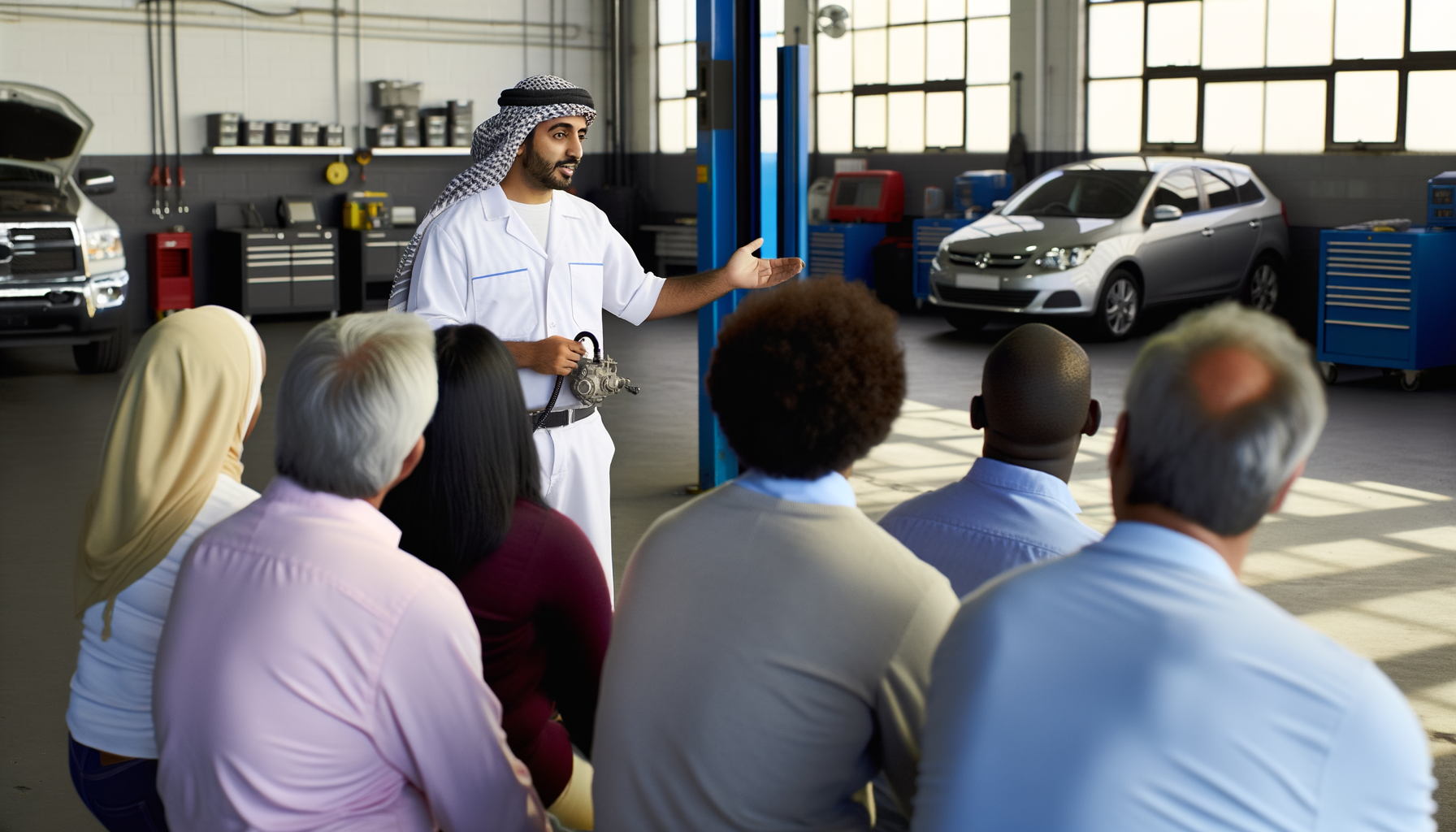
Drivers stick with mechanics who demonstrate consistent honesty, transparent communication about repairs and costs, technical competence, and fair pricing. Trust built through personal recommendations and repeated positive experiences creates lasting loyalty more than any other factor.
Why Do Some Mechanics Build Lifelong Customer Relationships?
The difference between a mechanic you visit once and one you trust for decades comes down to relationship-building fundamentals. Drivers who find their 'forever mechanic' typically discover them through trusted sources—a family member, longtime friend, or respected colleague who's had consistently positive experiences. This word-of-mouth discovery sets the foundation for trust before the first handshake. The best mechanics understand they're not just fixing cars; they're becoming integral to their customers' daily lives, ensuring reliable transportation for work, family obligations, and life's important moments. This relationship-first approach transforms what could be a stressful, expensive transaction into a partnership built on mutual respect and understanding.
What Role Does Honesty Play in Mechanic Selection?
Honesty stands as the cornerstone of every lasting mechanic-customer relationship. Drivers value mechanics who tell them when a repair can wait, when a car isn't worth fixing, or when a problem is minor and inexpensive rather than upselling unnecessary services. This transparency often means short-term revenue loss for the mechanic but creates invaluable long-term loyalty. Customers remember the mechanic who saved them money, prevented unnecessary work, or honestly assessed whether a repair was urgent or could be postponed. These moments of integrity become the stories customers share with friends and family, extending the mechanic's reputation through personal networks. The honest mechanic builds a customer base that becomes their best marketing team.
What Communication Qualities Do Drivers Value Most?
Effective communication separates great mechanics from mediocre ones. Drivers consistently identify these communication traits as essential:
- Plain-language explanations of problems without overwhelming technical jargon
- Upfront cost estimates before starting work, with explanations if prices change
- Proactive updates during longer repairs about progress and any complications
- Patient answers to questions without making customers feel foolish or rushed
- Clear timelines for completion and honest updates if delays occur
- Written estimates and explanations of work performed for future reference
How Important Is Technical Competence to Customer Loyalty?
While trust and communication build relationships, technical competence sustains them. Drivers stick with mechanics who consistently diagnose problems correctly the first time, complete repairs that last, and demonstrate expertise across different vehicle makes and models. This competence shows in small details: the mechanic who remembers your car's quirks, suggests preventive maintenance at appropriate intervals, or notices potential issues before they become expensive problems. Customers value mechanics who invest in ongoing education, modern diagnostic equipment, and stay current with evolving automotive technology. The combination of old-school mechanical intuition with modern diagnostic capability creates confidence that translates into loyalty.
What Pricing Approach Builds Long-Term Relationships?
Fair pricing doesn't necessarily mean cheapest pricing. Drivers who stick with mechanics long-term understand they're paying for expertise, quality parts, warranty protection, and relationship value. The key is transparency and consistency in pricing structure. Loyal customers appreciate mechanics who explain why quality parts cost more, offer options for different budget levels, and honor quoted prices even when jobs take longer than expected. They value mechanics who suggest cost-effective alternatives, prioritize repairs by urgency and budget impact, and never surprise them with unexpected charges. This pricing transparency, combined with consistent quality work, creates a value proposition that extends beyond simple cost comparison.
How Do Mechanics Earn Customer Trust Over Time?
Trust develops through consistent actions over multiple interactions. Successful mechanics follow this trust-building pattern:
- Start small: Handle minor services perfectly to establish competence and reliability
- Follow through: Complete work when promised and communicate proactively about any delays
- Stand behind work: Honor warranties without argument and fix mistakes at no charge
- Show expertise: Demonstrate knowledge while explaining problems in understandable terms
- Build personal connection: Remember customer preferences, vehicle history, and individual circumstances
- Maintain consistency: Deliver the same quality experience regardless of job size or customer status
Why Do Customers Value Convenience and Reliability?
Modern drivers lead busy lives, making convenience and reliability crucial factors in mechanic selection. The mechanics who build lasting relationships understand that respecting customers' time creates loyalty. This means offering flexible scheduling, providing accurate time estimates, having efficient check-in processes, and maintaining clean, comfortable waiting areas. Reliability extends beyond technical work to encompass the entire service experience—consistent hours, reliable phone communication, and dependable completion timeframes. Many loyal customers appreciate mechanics who offer additional conveniences like shuttle service, loaner cars, or pickup and delivery. These services demonstrate understanding that car repairs disrupt customers' lives, and minimizing that disruption builds appreciation and loyalty.
I've been going to the same mechanic for fifteen years. It's not just about fixing my car—it's about knowing someone I trust has my back when something goes wrong.
Jennifer Torres, longtime customer of Martinez Auto Repair
How Do Personal Recommendations Influence Mechanic Choice?
Personal recommendations carry more weight than any other factor in mechanic selection. When a trusted friend, family member, or colleague shares their positive experience with a mechanic, it transfers credibility in ways that advertising or online reviews cannot match. These recommendations often come with context—details about specific repairs, pricing experiences, and the overall relationship quality. The recommender's credibility extends to the mechanic, creating an initial trust foundation that would take months to build through direct experience alone. Smart drivers actively seek these recommendations from their extended networks, asking not just who to use, but why that person has earned loyalty over time.
What Should You Look for in Your Next Mechanic?
Use this checklist to evaluate potential mechanics before committing to major work:
- Ask trusted friends and colleagues for their mechanic recommendations
- Visit the shop to assess cleanliness, organization, and equipment quality
- Request and review their certifications and business credentials
- Ask about warranty policies on parts and labor
- Discuss their diagnostic process and how they determine repair needs
- Inquire about their experience with your specific vehicle make and model
- Test their communication style with a simple service first
- Verify they provide written estimates before beginning work
- Confirm they'll explain repairs in terms you can understand
- Ask about their policy for handling unexpected complications or costs
What Makes Some Mechanic Relationships Last Decades?
The longest-lasting mechanic relationships transcend simple service transactions to become genuine partnerships in vehicle ownership. These relationships develop when mechanics invest in understanding each customer's unique situation—their budget constraints, driving needs, and vehicle expectations. The mechanic becomes a trusted advisor who helps customers make informed decisions about repairs, replacements, and maintenance schedules. They remember vehicle history, anticipate potential issues based on age and mileage, and provide guidance that extends vehicle life cost-effectively. These mechanics often become family mechanics, servicing multiple vehicles for the same household and building relationships that span generations. The trust developed over years of positive interactions creates loyalty that survives location changes, price increases, and competitive pressure.
Frequently Asked Questions
How can I tell if a mechanic is trustworthy before giving them major work?
Start with small jobs like oil changes or inspections to test their honesty, communication, and quality. Ask friends and colleagues for recommendations, and pay attention to how they explain problems and pricing upfront.
Should I stick with one mechanic or shop around for better prices?
Sticking with one trustworthy mechanic builds valuable relationship benefits—they know your vehicle's history, remember your preferences, and often provide better service to loyal customers than shopping around solely for lowest prices.
What's the best way to find a reliable mechanic in a new area?
Ask neighbors, coworkers, and local friends for recommendations. Check with your extended network through social connections—people are usually happy to share experiences with mechanics they trust and depend on.
How important are certifications and credentials when choosing a mechanic?
Certifications indicate technical training, but practical experience and customer relationships matter more. Look for ASE certification combined with positive personal recommendations and demonstrated competence on smaller jobs first.
What should I do if my longtime mechanic starts providing poor service?
Address concerns directly first—relationships can often be repaired through honest communication. If problems persist, ask your network for new recommendations and test potential replacements with minor services before switching completely.
Is it worth paying more for a mechanic I trust versus finding cheaper alternatives?
Trusted mechanics often save money long-term through accurate diagnoses, quality work that lasts, honest repair recommendations, and preventing small problems from becoming expensive ones through proper maintenance advice.
Find Your Trusted Mechanic
Before searching online directories, reach out to three people you trust—family, friends, or coworkers—and ask who they use for car repairs and why they stick with them. Personal recommendations from your network provide insights no review site can match.
The mechanics who build lasting customer relationships understand that automotive service is ultimately about trust, communication, and competence. Drivers stick with mechanics who demonstrate honesty in their recommendations, transparency in their pricing, and expertise in their work. These relationships typically begin through personal recommendations from trusted sources and strengthen through consistent positive experiences over time. The best mechanics recognize they're not just fixing cars—they're providing peace of mind, reliable transportation, and trusted guidance for one of their customers' most significant investments. For drivers seeking a long-term mechanic relationship, the search should begin with personal networks and focus on finding someone who values the relationship as much as the technical work itself.