
Essential Documents to Keep After Auto Body Work
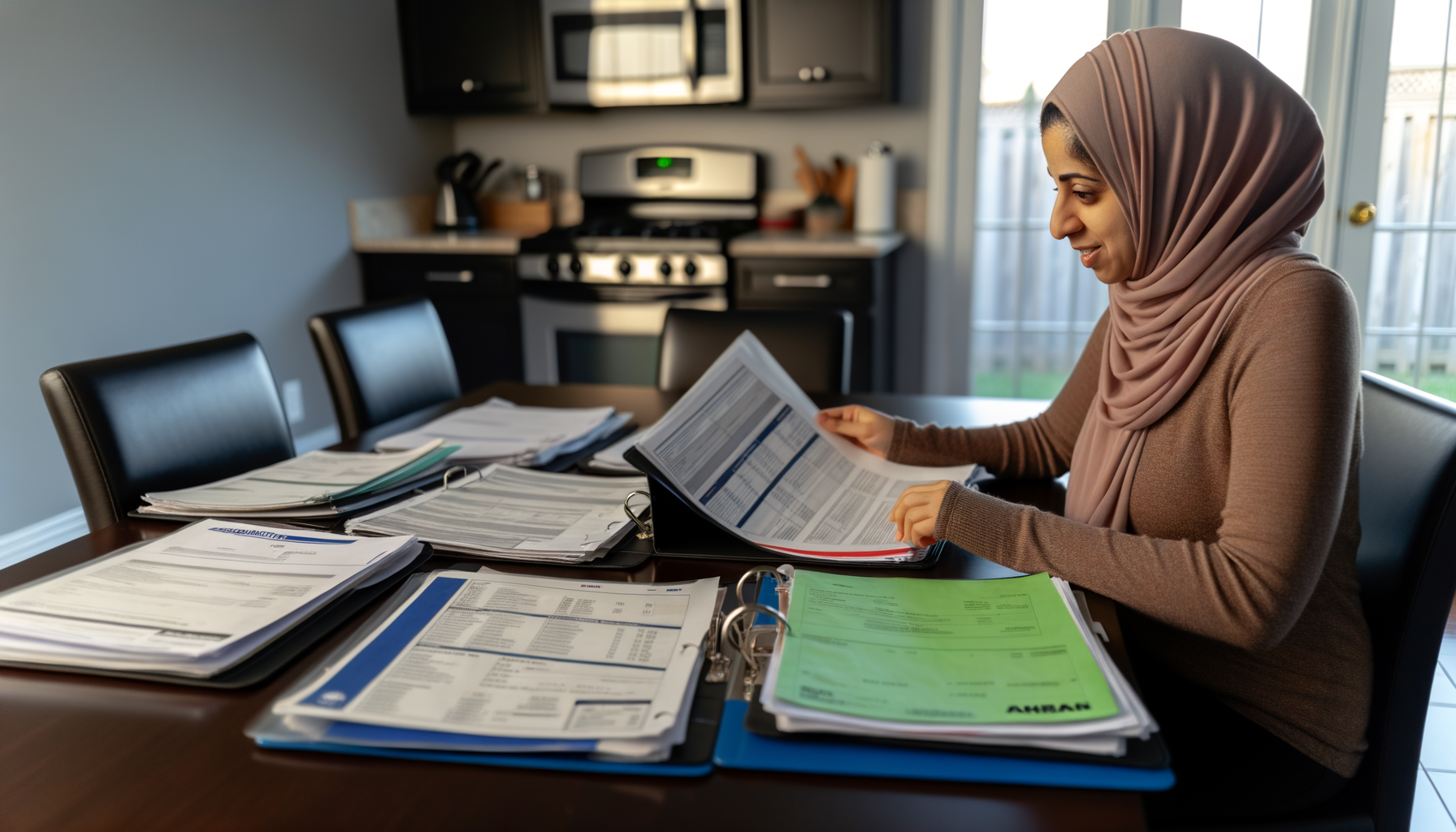
Keep all invoices, before/after photos, warranty documents, insurance correspondence, and parts receipts after auto body work. Store originals safely and maintain digital copies. This documentation protects you for warranty claims, insurance disputes, and proves professional repairs when selling your vehicle.
Why Is Proper Documentation So Critical After Body Work?
Auto body work represents a significant investment in your vehicle, often costing thousands of dollars. Without proper documentation, you could face denied warranty claims, insurance disputes, or difficulty proving the quality of repairs when selling your car. Professional body shops understand this importance, which is why trusted establishments provide comprehensive paperwork. The challenge isn't just getting documentation—it's knowing which documents matter most and how to organize them for future needs. Smart car owners treat their repair documentation like a legal protection system, because that's exactly what it becomes when issues arise months or years later.
What Financial Documents Must You Keep?
Financial documentation forms the foundation of your body work records. These documents prove what work was performed, when it was completed, and what you paid for it:
- Original itemized invoice showing labor costs, parts costs, and materials used
- Credit card receipts or canceled checks proving payment in full
- Insurance claim documentation including claim numbers and adjuster contact information
- Estimates from other shops (if you obtained multiple quotes before choosing your provider)
- Any supplemental invoices for additional work discovered during the repair process
Which Warranty and Parts Documents Are Essential?
Warranty documentation often determines whether future repairs cost you hundreds of dollars or nothing at all. Most reputable body shops offer warranties on both their workmanship and the parts they install, but these protections only matter if you can prove your eligibility. Keep all warranty certificates, including specific coverage periods for different types of work. Paint work might carry a different warranty period than structural repairs. Additionally, save receipts for genuine OEM parts versus aftermarket parts, as this affects both warranty coverage and your vehicle's resale value. If your shop used recycled or refurbished parts, document their condition and source. This information becomes particularly valuable if you experience premature wear or failure of these components.
How Should You Document the Repair Process Visually?
Visual documentation provides undeniable proof of your vehicle's condition before, during, and after repairs:
- Take comprehensive photos of all damage before repairs begin, including close-ups and wide shots showing the vehicle's overall condition
- Request progress photos from your body shop showing disassembly, primer work, and painting stages
- Photograph the completed work from multiple angles, including areas that weren't damaged to show overall vehicle condition
- Document any pre-existing damage or wear that wasn't part of the repair scope
- Save digital copies with timestamps and organize them by date and repair stage
What Insurance and Communication Records Matter?
Insurance-related documentation often becomes the most important paperwork you'll need, especially if disputes arise later. Keep all correspondence with your insurance company, including emails, claim numbers, and adjuster reports. If your repair involved a not-at-fault accident, maintain documentation from the other party's insurance company as well. Save any supplemental damage reports that emerged during the repair process, as these show how thoroughly the work was investigated. Phone call logs with insurance representatives, including dates, times, and the substance of conversations, can prove invaluable if claim disputes develop. Many car owners discover months later that they need this communication history to resolve coverage questions or to pursue additional compensation for diminished value claims.
What Additional Records Should You Maintain?
Beyond the obvious paperwork, several additional documents can save you time and money:
- Paint codes and color matching information for future touch-ups or repairs
- Rental car receipts and documentation if repairs took extended time
- Any environmental or safety compliance certificates (important for certain paint work)
- Correspondence with the body shop about delays, changes, or special requests
- Documentation of any items removed from your vehicle during repairs
How Long Should You Keep These Documents?
The retention period for body work documentation varies depending on the document type and your specific situation. Warranty paperwork should be kept for the entire warranty period plus an additional year to handle any disputes that arise near expiration dates. Insurance-related documents should be maintained for at least seven years, as some claims can be reopened or disputed within this timeframe. Financial records like invoices and receipts should follow your general tax document retention schedule. However, if the body work was significant or if you plan to sell your vehicle, consider keeping all documentation permanently. Major accident repairs can affect your car's resale value, and potential buyers often request this documentation to verify the quality of previous work and to understand the vehicle's history.
Where Should You Store All This Documentation?
Proper storage ensures your documents remain accessible and valid when needed:
- Create both physical and digital filing systems with clear labeling by date and type of document
- Use cloud storage with password protection for digital copies, ensuring access from anywhere
- Keep original warranties and insurance documents in a fireproof safe or safety deposit box
- Maintain a summary sheet listing all documents, their locations, and key details like claim numbers
- Consider giving a trusted family member copies of critical documents in case of emergency
What Happens If You Lose Important Documentation?
Lost documentation doesn't necessarily mean lost protection, but recovery requires prompt action. Contact your body shop immediately to request copies of invoices, warranties, and work orders—most shops maintain records for several years. Your insurance company can provide copies of claim documentation, adjuster reports, and correspondence. Credit card companies and banks can supply payment records if you need proof of payment. However, some documents like original manufacturer warranties may be impossible to replace. This reality underscores why creating multiple copies and storing them in different locations is so important. The few minutes spent organizing documentation after repairs can save you hours of frustration and potentially thousands of dollars in disputed claims later.
Frequently Asked Questions
How long do body shops keep records of my repair work?
Most reputable body shops maintain customer records for 3-7 years, though some keep them longer. However, you shouldn't rely on their records alone—always keep your own complete set of documentation.
Do I need to keep documentation for minor body work like small dent repairs?
Yes, even minor repairs should be documented. Small repairs can reveal larger issues later, and documentation proves professional work was performed, which helps with resale value.
What should I do if my body shop refuses to provide detailed documentation?
Any legitimate body shop should provide comprehensive documentation without hesitation. Refusal to provide proper paperwork is a major red flag that suggests you should find a different provider.
Can digital photos from my phone serve as valid documentation?
Yes, smartphone photos with timestamps are widely accepted as valid documentation. However, ensure photos are high-quality, well-lit, and clearly show the relevant damage or repairs.
Should I keep documentation for warranty work done under my original repair warranty?
Absolutely. Warranty repair documentation shows that issues were properly addressed and can be crucial if problems recur or if you need to prove the repair history to future buyers.
What documentation do I need when selling a car that had body work?
Provide buyers with repair invoices, before/after photos, warranty information, and insurance documentation. This transparency builds trust and can actually increase your vehicle's value by proving professional repairs.
Find Body Shops Your Network Trusts
Choosing the right body shop is just as important as keeping proper documentation. Tools like Linked By Six automatically show you which local auto body shops your friends and colleagues have used and trusted, helping you find providers who naturally provide thorough documentation and stand behind their work.
Proper documentation after auto body work serves as your financial and legal protection for years to come. From warranty claims to insurance disputes to resale value, the paperwork you keep today directly impacts your future costs and options. The key is creating a comprehensive filing system that includes financial records, visual documentation, warranty information, and insurance correspondence. While the documentation process might seem tedious immediately after completing repairs, it's far easier than trying to reconstruct missing records when problems arise. Smart car owners treat their repair documentation as seriously as they treat their insurance policies—because in many ways, that's exactly what comprehensive documentation becomes.