
How Water Pressure Changes Signal Hidden Plumbing Issues
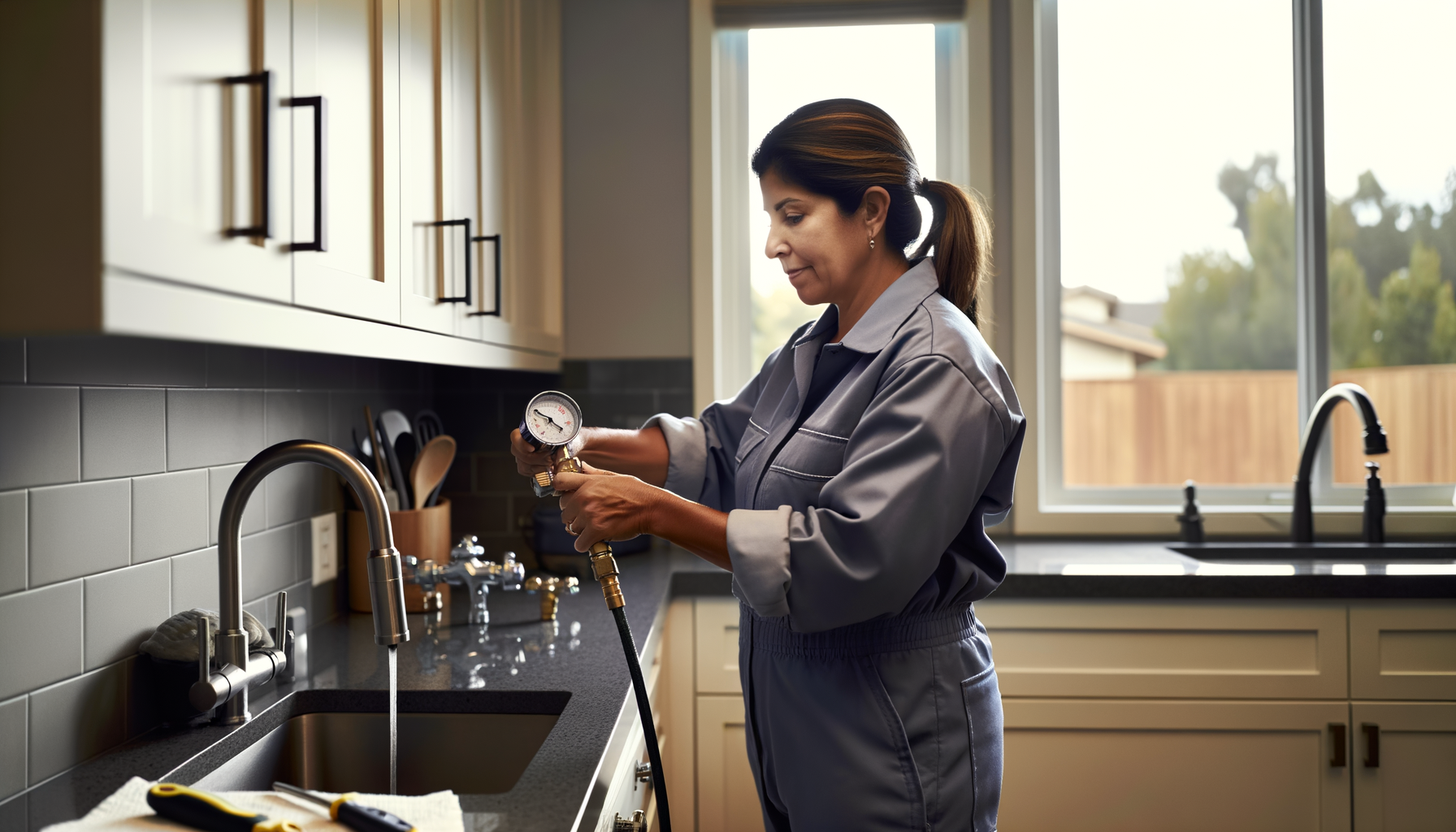
Water pressure changes often indicate underlying plumbing issues like pipe blockages, leaks, or system failures. Sudden drops signal immediate problems, while gradual changes suggest developing issues that require professional assessment to prevent costly damage.
Why Does Water Pressure Matter in Your Home?
Water pressure is the lifeblood of your plumbing system, and changes often serve as the first warning sign of developing problems. Normal residential water pressure ranges between 40-60 PSI (pounds per square inch). When this pressure fluctuates unexpectedly, it indicates your plumbing system is struggling to maintain proper flow. Understanding these changes can save you thousands in repair costs by catching issues early. Your home's water pressure is affected by multiple factors including pipe condition, municipal supply, elevation, and the overall health of your plumbing infrastructure. When any component fails or degrades, pressure changes become the visible symptom of invisible problems brewing within your walls and underground.
What Causes Sudden Water Pressure Drops?
Immediate pressure drops usually indicate acute problems requiring urgent attention:
- Pipe bursts or major leaks that redirect water flow away from fixtures
- Valve malfunctions in your main water line or pressure regulator system
- Municipal water supply issues affecting your neighborhood or building
- Severe blockages from sediment buildup, mineral deposits, or foreign objects
- Water heater failures that impact hot water pressure throughout the home
- Frozen pipes that restrict or completely block water flow during winter
How Do Gradual Pressure Changes Develop?
Gradual pressure changes are often more concerning than sudden drops because they indicate systematic deterioration of your plumbing infrastructure. These slow changes develop over months or years as pipes accumulate mineral deposits, corrosion gradually narrows pipe diameter, or small leaks slowly worsen. Hard water accelerates this process by depositing calcium and magnesium inside pipes, creating rough surfaces that catch debris and further restrict flow. Older homes with galvanized steel pipes are particularly susceptible as the metal corrodes from the inside out. Even small leaks can cause pressure issues by forcing your system to work harder to maintain adequate flow to all fixtures. The insidious nature of gradual pressure loss means homeowners often adapt to the reduced performance without realizing significant damage is occurring.
How Can You Test Water Pressure at Home?
Testing water pressure is straightforward with basic tools and systematic approach:
- Purchase a water pressure gauge from any hardware store (typically $10-15)
- Turn off all water-using appliances including dishwashers, washing machines, and irrigation systems
- Attach the gauge to an outdoor spigot or laundry room faucet for most accurate readings
- Open the valve fully and record the pressure reading after it stabilizes
- Test multiple locations throughout your home to identify localized problems
- Document readings over several days to establish baseline measurements
- Compare results to normal range of 40-60 PSI and note any significant variations
Which Fixtures Show Pressure Problems First?
Different fixtures reveal specific types of plumbing issues based on their location and connection type:
- Showerheads show pressure drops first due to their elevation and narrow passages
- Kitchen sinks reveal hot water system problems because they use both hot and cold lines frequently
- Washing machines demonstrate whole-house pressure issues due to their high-volume water demands
- Bathroom faucets often show localized blockages because of their frequent use and smaller aerators
- Toilets indicate serious supply line problems when they fill slowly or incompletely
When Should You Call a Professional Plumber?
Professional intervention becomes necessary when pressure issues persist despite basic troubleshooting or when multiple fixtures are affected simultaneously. If pressure drops below 40 PSI or exceeds 80 PSI consistently, you need expert assessment to prevent damage to appliances and fixtures. Licensed plumbers have specialized equipment to diagnose problems within walls, underground, and in hard-to-reach areas that homeowners cannot access safely. They can perform comprehensive system evaluations, including camera inspections of drain lines, pressure testing of supply lines, and assessment of your home's overall plumbing health. Professional diagnosis is especially critical in older homes where multiple systems may be failing simultaneously, requiring coordinated repair strategies to avoid repeated disruptions and escalating costs.
Essential Steps Before Hiring a Plumber
Prepare for productive plumber consultations with these documentation steps:
- Document when pressure changes occur and which fixtures are affected
- Note whether issues happen with hot water, cold water, or both systems
- Record the age of your home and any known plumbing renovations
- Gather information about your water source (municipal, well, or other)
- Take photos of visible plumbing components including water meter and main shutoff
- Prepare a list of recent changes like new appliances or home additions
- Research the plumber's licensing, insurance, and customer reviews beforehand
Most homeowners wait until they have no water pressure at all, but the smart ones call us when they first notice changes. Early intervention typically costs hundreds instead of thousands.
Mike Rodriguez, Master Plumber, Rodriguez Plumbing Services
How Can You Prevent Future Pressure Problems?
Prevention strategies focus on maintaining your plumbing system's health through regular monitoring and proactive maintenance. Install a whole-house water softener if you have hard water to prevent mineral buildup in pipes and fixtures. Replace old galvanized pipes with modern materials like copper or PEX during renovations to eliminate corrosion issues. Schedule annual plumbing inspections to catch developing problems before they cause pressure issues. Monitor your water bill for unexpected increases that might indicate hidden leaks affecting system pressure. Clean aerators and showerheads quarterly to maintain proper flow rates and pressure at individual fixtures. Consider installing a pressure regulator if your municipal supply consistently exceeds recommended levels, protecting your appliances and fixtures from damage while maintaining consistent performance throughout your home.
Frequently Asked Questions
What water pressure is considered normal for a home?
Normal residential water pressure ranges from 40-60 PSI. Pressure below 40 PSI feels weak and inadequate, while pressure above 80 PSI can damage appliances and fixtures over time.
Why does my water pressure drop when multiple faucets run?
This indicates insufficient supply line capacity or developing blockages. Your plumbing system cannot deliver adequate volume to multiple fixtures simultaneously, suggesting pipe restrictions or undersized supply lines.
Can low water pressure damage my appliances?
Yes, appliances like dishwashers and washing machines require minimum pressure to function properly. Insufficient pressure can cause poor cleaning performance, longer cycle times, and premature component failure.
How often should I check my home's water pressure?
Test water pressure every six months or whenever you notice performance changes. Regular monitoring helps establish baseline measurements and catch developing problems before they become expensive repairs.
What's the difference between pressure and flow rate problems?
Pressure measures force (PSI) while flow rate measures volume over time (GPM). You can have good pressure but poor flow due to blockages, or good flow with low pressure indicating supply issues.
Do all fixtures in my home share the same water pressure?
No, pressure varies by location due to elevation, distance from supply lines, and individual fixture restrictions. Upper floors typically have lower pressure than ground-level fixtures in multi-story homes.
Find Trusted Plumbing Professionals
Don't let water pressure problems escalate into costly repairs. Tools like Linked By Six automatically show you which local plumbers your friends and colleagues already trust—see proven recommendations before you search, ensuring you connect with reliable professionals who deliver quality work.
Water pressure changes are your plumbing system's way of communicating developing problems before they become emergencies. By understanding what these changes mean and monitoring them regularly, you can catch issues early when repairs are manageable and affordable. Whether dealing with sudden pressure drops that require immediate attention or gradual changes indicating systematic wear, prompt professional assessment protects your home from water damage and costly infrastructure failures. Remember that your plumbing system is an investment in your home's functionality and value—treating pressure changes as important diagnostic information rather than minor inconveniences will serve you well in maintaining a reliable, efficient water system for years to come.