
8 Critical Signs You Need Fire Damage Restoration Now
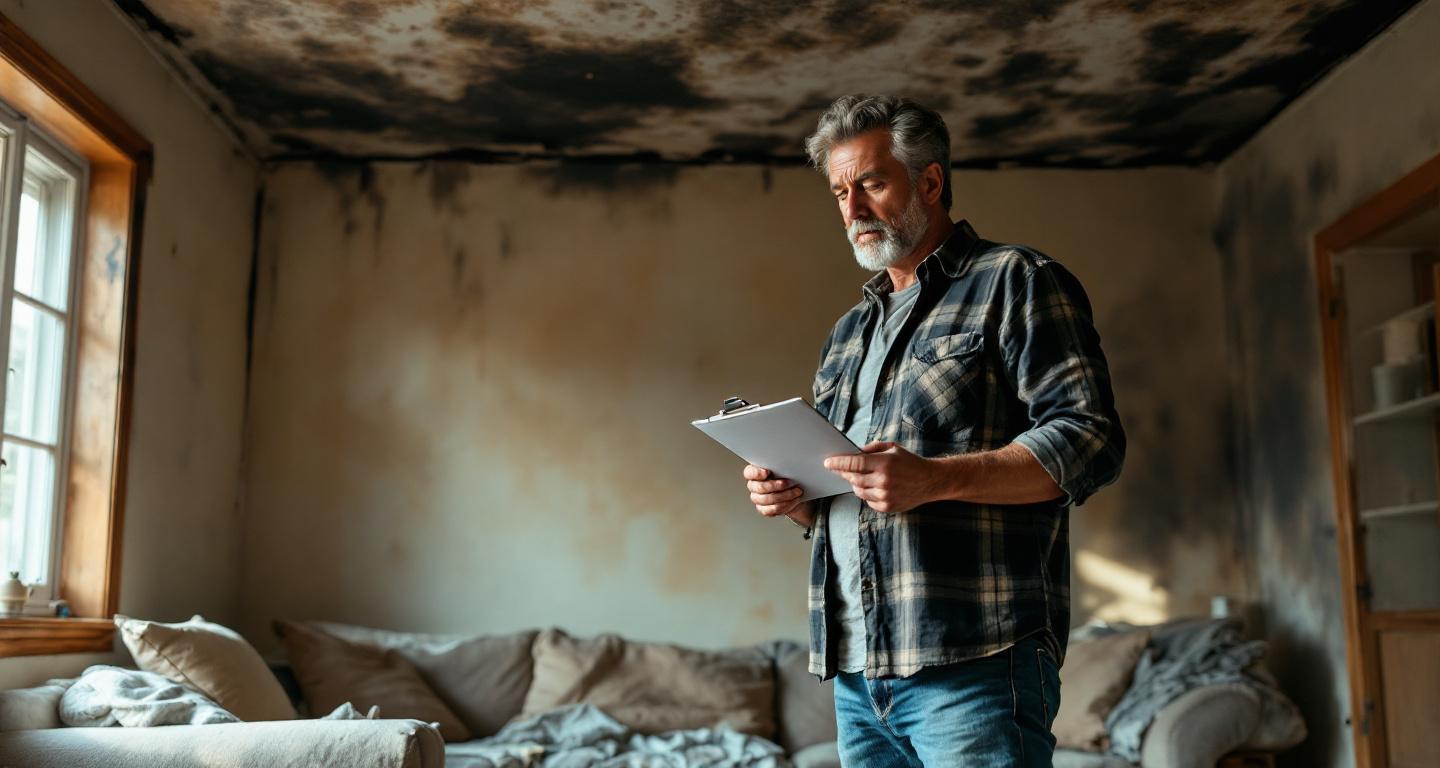
You need fire damage restoration if you notice persistent smoke odors, visible soot or char marks, water damage from firefighting efforts, or structural discoloration. Professional assessment is crucial within 24-48 hours to prevent permanent damage and health hazards.
Why Quick Action Matters After Fire Damage
Fire damage doesn't stop when the flames are extinguished. Secondary damage from smoke, soot, and water used in firefighting continues to spread through your property, causing permanent harm to materials, belongings, and indoor air quality. Professional fire damage restoration becomes more critical—and more expensive—with each passing hour. Understanding the warning signs helps you make informed decisions about when professional intervention is necessary versus when you might handle cleanup yourself.
What Are the Immediate Warning Signs?
These urgent signs require professional fire damage restoration within 24-48 hours:
- Visible soot or char marks on walls, ceilings, or surfaces that don't wipe away easily
- Strong, persistent smoke odor that doesn't dissipate with ventilation
- Water damage or standing water from firefighting efforts
- Discoloration of walls, ceilings, or structural materials
- Warped or buckled flooring, especially hardwood or laminate
- Electrical outlets, switches, or fixtures showing heat damage or discoloration
How Do You Identify Hidden Smoke and Soot Damage?
Smoke and soot travel through your HVAC system, behind walls, and into areas far from the actual fire. Look for yellowish or brownish staining on walls and ceilings, especially near air vents. Check inside cabinets, drawers, and closets for the telltale acrid smell of smoke. Soot often settles on horizontal surfaces first—run your finger along shelves, picture frames, or the tops of furniture. If you find black residue, professional cleaning is necessary to prevent permanent staining and health issues from airborne particles.
What's Your 48-Hour Assessment Checklist?
Follow these steps to document damage and determine restoration needs:
- Document everything with photos before touching or moving items
- Test light switches and electrical outlets (if safe to do so) for functionality
- Check all rooms, including those not directly affected by fire
- Assess water damage in areas below where firefighting occurred
- Note any structural issues like cracks, warping, or instability
- Contact your insurance company to report the incident and start claims process
When Is Water Damage From Firefighting a Concern?
Water damage from firefighting efforts often causes more long-term problems than the original fire. Look for standing water, wet carpeting, or waterlogged drywall. Check for warping in wooden floors, doors, or window frames. Feel walls for moisture—they may appear dry but retain water that leads to mold growth within 24-48 hours. If firefighters used foam suppressants, this creates additional cleanup challenges that require specialized removal techniques and equipment.
What Health Hazards Require Professional Attention?
These health-related warning signs make professional restoration essential:
- Persistent coughing, throat irritation, or breathing difficulties after exposure
- Strong chemical odors from burned plastics, synthetic materials, or household chemicals
- Visible mold growth in water-damaged areas (can appear within 24-48 hours)
- Asbestos-containing materials damaged by heat (common in homes built before 1980)
- Lead paint disturbance from heat damage (homes built before 1978)
How Do You Evaluate Structural Damage?
Look for obvious signs like charred beams, cracked walls, or sagging ceilings, but remember that heat damage isn't always visible. Steel beams can lose structural integrity from high temperatures without showing obvious damage. Wood framing may appear intact but have compromised load-bearing capacity. Check for new gaps around doors and windows—this often indicates structural shifting. Professional structural engineers work with restoration companies to assess safety and determine whether areas are safe for occupancy during restoration work.
What Should You Do While Waiting for Professionals?
Take these immediate steps to minimize additional damage:
- Turn off electricity and gas if instructed by fire department
- Ventilate the area by opening windows and doors (weather permitting)
- Remove standing water if safe to do so
- Place aluminum foil or plastic bags between wet carpet and furniture legs
- Don't attempt to clean soot yourself—improper cleaning can cause permanent staining
- Secure the property against weather and unauthorized entry
What Questions Should You Ask Restoration Companies?
When evaluating fire damage restoration services, ask about their experience with your specific type of damage, their restoration timeline, and what equipment they use for smoke and soot removal. Inquire about their relationship with insurance companies and whether they handle claims documentation. Ask for references from recent customers with similar damage. Professional companies should provide detailed written estimates, explain their restoration process step-by-step, and offer 24/7 emergency response. They should also coordinate with structural engineers, electricians, and other specialists as needed.
Frequently Asked Questions
How quickly do I need to call a fire damage restoration service?
Contact professionals within 24-48 hours maximum. Smoke and soot damage becomes permanent quickly, and water from firefighting efforts leads to mold growth within 24 hours.
Can I clean fire damage myself to save money?
Small surface cleaning maybe, but soot requires specialized equipment and techniques. Improper cleaning often causes permanent staining and spreads contamination to unaffected areas.
Will my insurance cover fire damage restoration costs?
Most homeowner's insurance policies cover fire damage restoration, including smoke and water damage from firefighting. Contact your insurer immediately to start the claims process.
What's the difference between fire damage and smoke damage restoration?
Fire damage involves structural repairs and debris removal. Smoke damage focuses on odor elimination, soot removal, and cleaning contaminated surfaces throughout the property.
How long does fire damage restoration typically take?
Minor damage may take 1-2 weeks, while major restoration can take several months. Timeline depends on extent of damage, structural repairs needed, and insurance approval processes.
Is it safe to stay in my home during fire damage restoration?
This depends on damage extent and air quality. Professional restoration companies test safety levels and can recommend temporary relocation if necessary for health reasons.
Find Trusted Fire Restoration Experts
When facing fire damage, you need restoration professionals your community trusts. Tools like Linked By Six connect you with fire damage restoration companies that your neighbors and colleagues have successfully used—see verified connections before you search, so you can focus on recovery instead of vetting contractors during a crisis.
Recognizing the warning signs of fire damage helps you act quickly to protect your property and health. From visible soot and persistent odors to hidden water damage and structural concerns, professional assessment within 24-48 hours is crucial for successful restoration. While the immediate aftermath of a fire feels overwhelming, understanding these warning signs empowers you to make informed decisions about when professional intervention is necessary. Remember that fire damage restoration is about more than cleaning—it's about ensuring your home is safe, healthy, and fully restored to pre-loss condition.