
8 Critical Warning Signs Your Car Needs Inspection Now
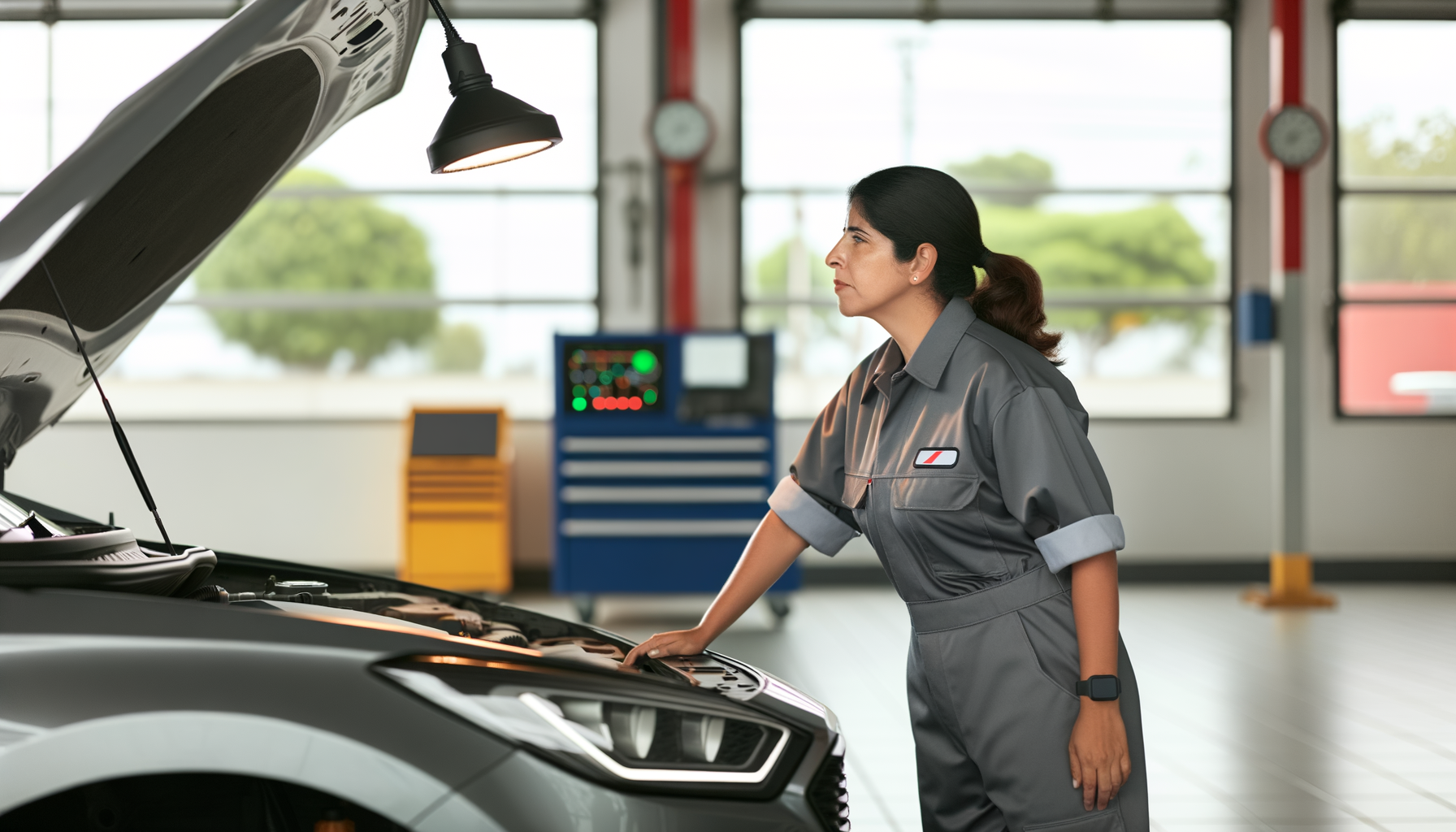
Your vehicle needs professional inspection if you notice unusual noises, warning lights, vibrations, fluid leaks, braking issues, steering problems, or decreased performance. These symptoms often indicate safety-critical issues that require immediate professional diagnosis.
Why Do Vehicle Warning Signs Matter?
Modern vehicles are complex machines with thousands of interconnected components. When something goes wrong, your car typically provides warning signs before complete failure occurs. Recognizing these early indicators can prevent dangerous breakdowns, expensive repairs, and potentially life-threatening situations. Unlike routine maintenance schedules, warning signs demand immediate attention because they often signal safety-critical issues. Professional mechanics have the tools and expertise to diagnose problems accurately, distinguishing between minor issues and serious concerns that could leave you stranded or compromise your safety on the road.
What Are the Most Critical Dashboard Warning Lights?
Dashboard warning lights serve as your vehicle's primary communication system. These lights require immediate professional attention:
- Check Engine Light - Can indicate anything from loose gas cap to serious engine problems requiring immediate diagnosis
- Brake System Warning - Signals potential brake fluid loss, worn pads, or hydraulic system failure
- Oil Pressure Light - Indicates dangerously low oil pressure that can destroy your engine within minutes
- Temperature Warning - Shows engine overheating that can cause catastrophic and expensive damage
- Battery/Charging System Light - Warns of alternator failure or electrical system problems
- ABS Light - Indicates anti-lock brake system malfunction affecting emergency stopping ability
What Unusual Sounds Require Professional Diagnosis?
Your ears are powerful diagnostic tools when it comes to vehicle health. Unusual sounds often indicate mechanical problems before they become visible or cause complete failure. Grinding noises typically suggest metal-on-metal contact, often in brakes or transmission components. Squealing sounds frequently indicate worn belts or brake pads reaching replacement time. Knocking or pinging noises from the engine can signal serious internal damage or fuel system issues. Rattling sounds might indicate loose exhaust components, worn suspension parts, or engine problems. Any new or persistent unusual noise warrants professional inspection, as experienced mechanics can often identify specific problems by sound alone.
How Do You Identify Dangerous Driving Performance Issues?
Performance changes often indicate safety-critical problems. Follow this assessment approach:
- Monitor steering response - Pull to one side, excessive play, or vibration indicates alignment, tire, or suspension issues
- Evaluate braking performance - Soft pedal, grinding, or increased stopping distance signals brake system problems
- Assess acceleration and power - Hesitation, stalling, or reduced power suggests engine, fuel, or transmission issues
- Check for vibrations - Unusual vibrations in steering wheel, seat, or pedals indicate tire, wheel, or drivetrain problems
- Notice handling changes - Bouncing, swaying, or instability points to suspension or tire issues affecting safety
What Fluid Leaks Demand Immediate Attention?
Different colored fluids under your parked vehicle indicate specific system problems:
- Dark brown or black oil - Engine oil leak that can lead to catastrophic engine damage if oil levels drop too low
- Red or pink fluid - Transmission fluid or power steering fluid leak affecting vehicle operation and safety
- Green, orange, or yellow coolant - Cooling system leak that can cause engine overheating and expensive damage
- Clear or light yellow brake fluid - Brake system leak creating dangerous loss of stopping power
- Clear water condensation - Usually normal air conditioning drainage, but excessive amounts may indicate problems
When Do Tire Issues Require Professional Assessment?
Tires are your vehicle's only contact with the road, making their condition critical for safety. Uneven wear patterns often indicate alignment problems, suspension issues, or improper inflation that affects handling and fuel economy. Visible cords, bulges, or cracks in tire sidewalls create dangerous blowout risks requiring immediate replacement. Tread depth below 2/32 inch significantly reduces traction, especially in wet conditions. Professional tire inspections can identify internal damage not visible during casual observation. Many tire problems also indicate underlying mechanical issues with suspension, alignment, or steering components that need professional diagnosis and repair.
What Should You Document Before Visiting a Mechanic?
Proper documentation helps mechanics diagnose problems more efficiently:
- Record when symptoms first appeared and under what driving conditions
- Note if problems occur during specific situations (startup, braking, turning, acceleration)
- Document any recent maintenance or repairs that might be related
- List all warning lights that have appeared, even if they turned off
- Describe unusual sounds, smells, or vibrations as specifically as possible
- Note any changes in fuel economy or driving performance
- Check and record current mileage for maintenance interval reference
How Do Seasonal Changes Affect Vehicle Inspection Needs?
Seasonal transitions stress different vehicle systems, revealing problems that may not be apparent during mild weather. Winter conditions expose battery weakness, tire inadequacies, and cooling system problems. Summer heat stresses air conditioning systems, cooling components, and can accelerate tire wear. Spring often reveals damage from winter road salt, pothole impacts, and neglected maintenance during cold months. Fall preparation is crucial for ensuring heating systems, battery condition, and tire tread adequacy for upcoming winter challenges. Professional seasonal inspections can identify these weather-related vulnerabilities before they cause breakdowns during the most challenging driving conditions.
Most vehicle breakdowns don't happen without warning. The key is recognizing what your car is trying to tell you and getting professional help before minor problems become major failures.
Mike Rodriguez, ASE Master Technician with 20 years experience
What Makes Professional Diagnosis Superior to DIY Assessment?
Professional mechanics possess diagnostic tools, training, and experience that enable accurate problem identification beyond surface symptoms. Modern vehicles contain sophisticated computer systems that require specialized scanners to access diagnostic codes and system data. Professional mechanics understand how different systems interact, allowing them to identify root causes rather than just treating symptoms. They can distinguish between urgent safety issues and problems that can wait for convenient scheduling. Professional diagnosis often saves money by preventing unnecessary parts replacement and identifying problems before they cause additional damage to connected systems.
Frequently Asked Questions
How often should I have my vehicle professionally inspected even without warning signs?
Most experts recommend annual professional inspections regardless of symptoms. However, vehicles over 5 years old or with high mileage benefit from bi-annual inspections to catch developing problems early.
Can I drive with the check engine light on?
While some check engine light causes are minor, others indicate serious problems. Have it diagnosed immediately. If the light flashes, stop driving immediately as this indicates potential engine damage.
What's the difference between urgent and routine inspection needs?
Urgent inspections involve safety systems like brakes, steering, or engine overheating. Routine inspections address maintenance items like filters or fluid changes that don't pose immediate danger.
How much should I expect to pay for a professional vehicle inspection?
Basic diagnostic inspections typically cost $100-200. However, many shops apply this fee toward repair costs if you choose to have work performed there.
Should I get a second opinion for expensive repair recommendations?
For repairs over $500, a second opinion is wise. However, ensure the second shop performs their own diagnostic inspection rather than just reviewing another shop's findings.
What questions should I ask when scheduling an inspection?
Ask about diagnostic fees, whether fees apply toward repairs, estimated inspection time, what systems they'll check, and if they provide written reports with findings and recommendations.
Find a Trusted Mechanic in Your Area
Don't wait until warning signs become costly breakdowns. Finding a trustworthy mechanic before you need one ensures you're prepared when problems arise. Tools like Linked By Six help you discover which automotive professionals your friends and colleagues already trust—see your network's recommendations before you search.
Recognizing warning signs early and seeking professional inspection promptly can save you thousands in repair costs while keeping you safe on the road. Your vehicle communicates problems through dashboard lights, unusual sounds, performance changes, and visible symptoms. Professional mechanics have the expertise and tools to diagnose these issues accurately, distinguishing between minor concerns and safety-critical problems. Don't ignore your car's warning signs—they're designed to protect both your wallet and your wellbeing. Regular professional inspections, combined with attention to developing symptoms, ensure your vehicle remains reliable and safe for years to come.